As the smoke continues to rise over the Iranian plateau and the Strait of Hormuz remains a contested maritime zone, any geopolitical assessment must be made with significant academic humility. The conflict following the February 28 strikes remains fluid, and the fog of war obscures much of the long-term reality on the ground. However, as the campaign enters its second week, we can begin to sketch a preliminary picture of the emerging international order. This is the picture we have for now.
The Good: Strategic Lifelines and Reasserted Hegemony
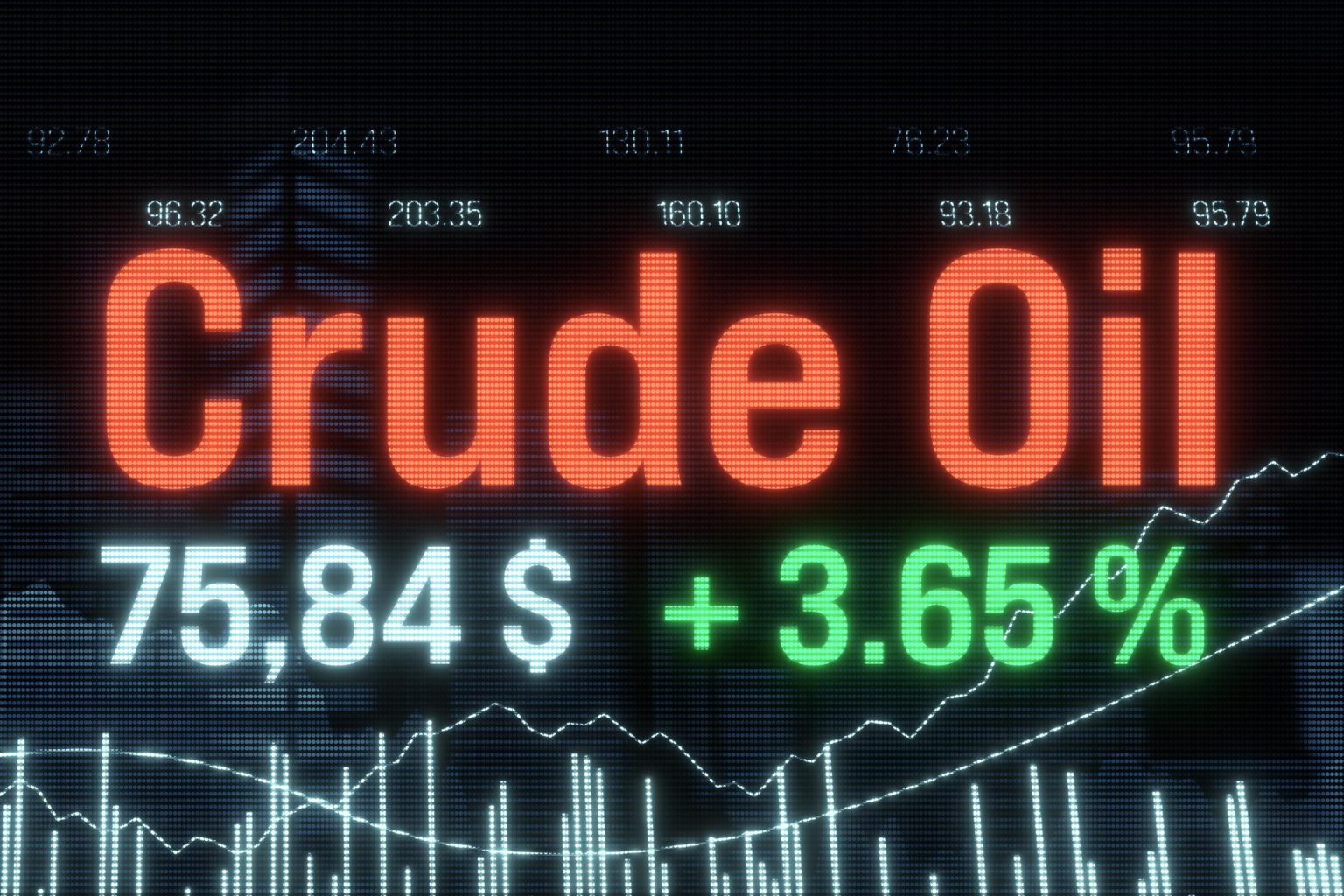
From a purely realist perspective, the opening phase of this conflict has provided several actors with a strategic “Good”: a sudden expansion of influence or the elimination of a long-standing threat. For the United States, the campaign represents a validation of a high-tech, “maximum pressure” doctrine aimed at dismantling a rogue nuclear program and a revisionist leadership without the initial commitment of a massive ground occupation. Similarly, Israel has achieved a decades-long objective: the decapitation of the Iranian leadership and the degradation of the “Octopus” and its regional proxy “tentacles”. Paradoxically, Russia has found an unexpected economic lifeline. While rhetorically condemning the strikes as “unprovoked aggression,” Moscow is quietly benefiting from the surge in global energy prices caused by the closure of the Strait of Hormuz. With Middle Eastern supplies disrupted, Russia is poised to meet the energy demands of Asian giants, providing the fiscal oxygen needed to sustain its own flagging war machine in Ukraine. Furthermore, the conflict has siphoned “media oxygen” away from the Ukrainian theater, allowing the Kremlin a period of strategic hedging.
The Bad: Economic Exposure and the Collapse of Neutrality
The “Bad” of this conflict is defined by the severe economic exposure of those reliant on the fragile status quo of the Middle East. China stands at the forefront of this group. Relying on the region for over 55% of its oil, Beijing now faces a manufacturing crisis as its discounted Iranian supply vanishes and its regional influence is bypassed by American kinetic force. Beijing’s “strategic neutrality” has been tested and found wanting; it is now forced into a “regime agnostic” posture, waiting to see if any future power holder can restore the flow of crude. The European Union is facing its sharpest energy shock since 2022, with Dutch TTF natural gas futures surging by 60% following the closure of the Strait. This landings on a market already burdened by low winter inventories, threatening to drive up bills for both industry and households. Similarly, India finds itself in a precarious act, navigating rising trade deficits and a pressured rupee while weighing whether to seek Washington’s flexibility to resume large-scale Russian energy purchases to stabilize its economy.
The Ugly: Retaliation and the “Empty Throne”
The “Ugly” reality of this war is most visible in the Gulf Countries. Nations like the UAE, Saudi Arabia, and Qatar which have spent billions branding themselves as “oases of stability” have seen their critical infrastructure, from luxury hotels to oil refineries, targeted by Iranian retaliatory strikes. These states are caught between a desperate Iranian regime and what some perceive as American recklessness, realizing their non-oil economic models cannot survive a prolonged regional firestorm. Inside Iran, the situation threatens to devolve into a nightmare of civil war and institutional collapse. With the supreme leader dead and the IRGC in disarray, the country faces the “Empty Throne” problem: a power vacuum that could be filled by competing warlords or separatist movements along ethnic lines.
As of this writing, these scenarios are based on the initial shocks of the first days of conflict. We must caution against final conclusions while the “retaliation bill” is still being calculated by regional capitals. The transition in Tehran remains unresolved, and the global order remains in a state of high-velocity flux. It is increasingly likely that this war will be a protracted one. Iranian officials have explicitly stated they have prepared for a long conflict and have no intention of surrendering, vowing to defend the theocratic regime “whatever the cost”. Given that the regime’s core infrastructure remains intact despite heavy strikes, the stage is set for a persistent struggle of attrition rather than a swift conclusion.