Houston, Texas, New Jersey — March 18, 2026 — Brussels Morning Newspaper — US energy market volatility is intensifying as traders across the country rush to secure diesel storage amid escalating tensions in the Middle East. From major refining hubs in Texas to critical storage terminals in New Jersey, the sudden surge in activity reflects growing fears of supply disruptions and rising fuel prices.
The situation underscores how global conflict can quickly ripple through domestic energy systems, creating uncertainty for businesses, investors, and consumers alike.
Why US Energy Market Volatility Is Rising
The sharp increase in US energy market volatility is being driven by concerns over potential disruptions in global oil supply. The Middle East remains a key source of crude oil, and any instability in the region can significantly impact fuel availability worldwide.
Diesel, in particular, is highly sensitive to geopolitical risks due to its essential role in transportation, logistics, and industrial operations. As a result, traders are moving quickly to secure storage capacity and protect against future shortages.
This defensive positioning is a clear indicator of how seriously the market is responding to unfolding events.
Nationwide Diesel Storage Rush from Texas to New Jersey
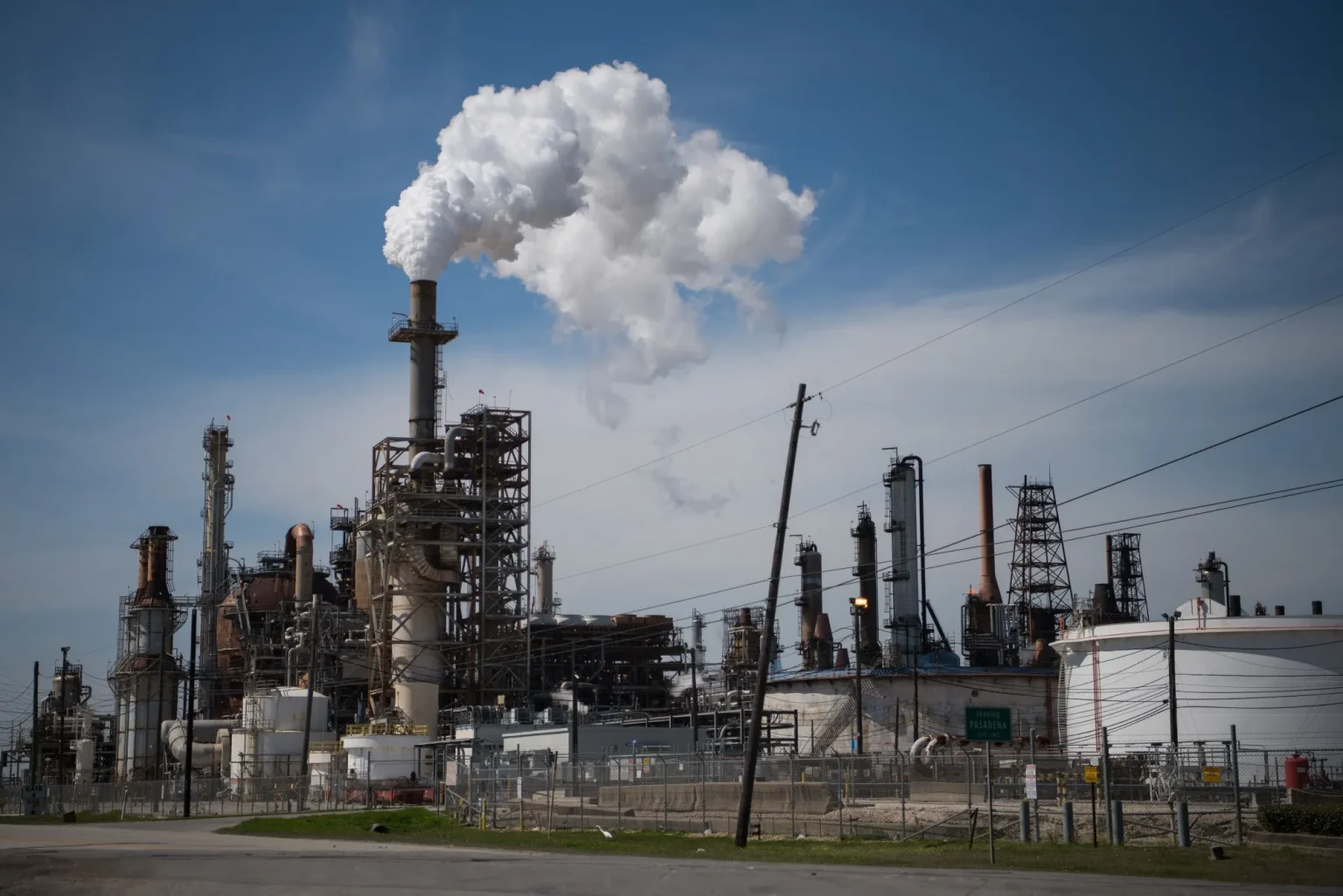
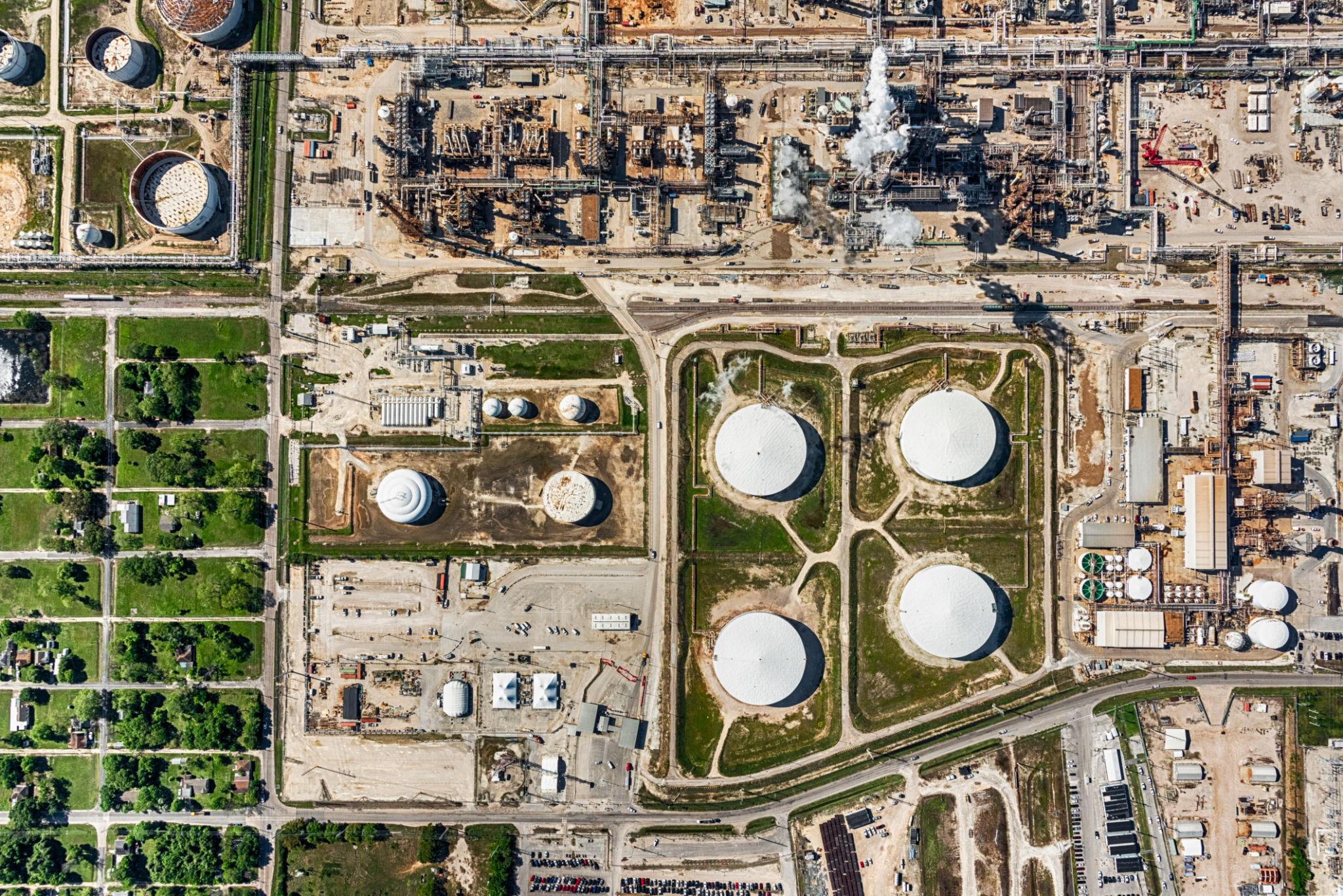
The effects of US energy market volatility are visible across multiple regions. In Texas, where refining capacity is concentrated, storage facilities are seeing increased demand as traders stockpile fuel.
On the East Coast, New Jersey has become a focal point due to its strategic location within key distribution networks. The surge in storage activity highlights a nationwide response, as companies prepare for possible supply constraints.
This coast-to-coast movement reflects the scale and urgency of the current market environment.
Market Reaction and Price Pressures
As US energy market volatility continues to rise, diesel prices are showing upward momentum. Traders are factoring in the risk of prolonged conflict and potential disruptions to supply chains.
Increased storage demand is also contributing to tighter market conditions, further supporting price increases.
A senior energy analyst stated:
“This level of US energy market volatility is a direct response to geopolitical uncertainty. Traders are acting early to avoid being caught in a supply crunch.”
Impact on Supply Chains and Logistics
The surge in US energy market volatility has significant implications for supply chains. Diesel fuel powers the majority of freight transportation, making it a critical component of economic activity.
Rising fuel costs can lead to higher shipping expenses, which may ultimately be passed on to consumers. Industries reliant on logistics and distribution are particularly vulnerable to these changes.
Companies are already evaluating strategies to manage costs and maintain operational efficiency.
Historical Patterns in Energy Crises
History shows that periods of conflict in the Middle East often lead to spikes in US energy market volatility. Previous crises have demonstrated how quickly markets can react to supply threats.
Traders and energy companies are drawing on these lessons, taking proactive steps to secure resources and mitigate risks.
The current situation reflects a continuation of this pattern, with market participants acting decisively in response to uncertainty.
Strategic Adjustments by Energy Firms
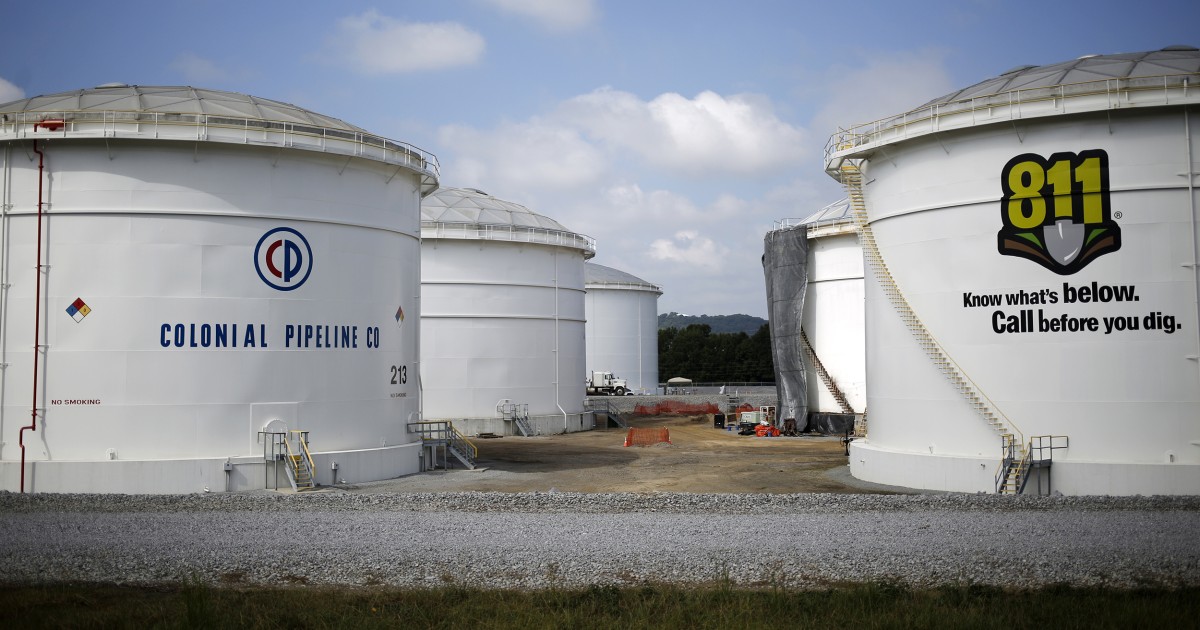
Energy companies are adapting to rising US energy market volatility by implementing a range of strategic measures. These include increasing storage capacity, diversifying supply sources, and closely monitoring geopolitical developments.
Such actions are designed to ensure resilience in the face of potential disruptions.
The emphasis on preparedness highlights the seriousness of the current market conditions.
Consumer Impact and Economic Ripple Effects
For consumers, heightened US energy market volatility could translate into higher fuel prices and increased costs for goods and services. As transportation expenses rise, businesses may adjust pricing to offset these changes.
The broader economic impact could be felt across multiple sectors, from retail to manufacturing.
This interconnected dynamic illustrates how energy markets influence everyday life.
Government Monitoring and Possible Intervention
Government agencies are closely tracking developments related to US energy market volatility. Policymakers may consider interventions such as releasing strategic reserves or implementing measures to stabilize markets.
The goal is to minimize economic disruption and ensure adequate fuel supply.
Coordination between government and industry will play a key role in managing the situation.
What Lies Ahead for the Energy Market
The future trajectory of US energy market volatility will depend largely on geopolitical developments. If tensions ease, markets may stabilize, reducing pressure on fuel prices and storage demand.
However, continued uncertainty could sustain or even increase volatility.
Traders and analysts will remain focused on key indicators, including supply data, price trends, and geopolitical events.
A Market Facing Uncertainty
The surge in US energy market volatility highlights the vulnerability of energy systems to global events. As traders and companies respond to potential risks, the broader implications for the economy are becoming increasingly evident.
The situation serves as a reminder of the importance of stability in global energy markets.
Summary
The rapid rise in US energy market volatility is driving a nationwide rush for diesel storage, from Texas to New Jersey. As Middle East tensions fuel uncertainty, traders are preparing for potential supply disruptions, signaling a volatile period ahead for fuel markets and the broader economy.