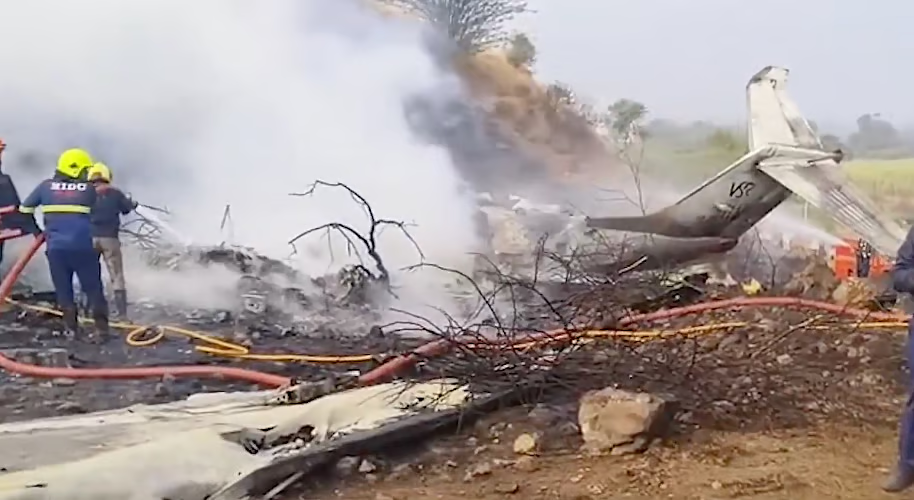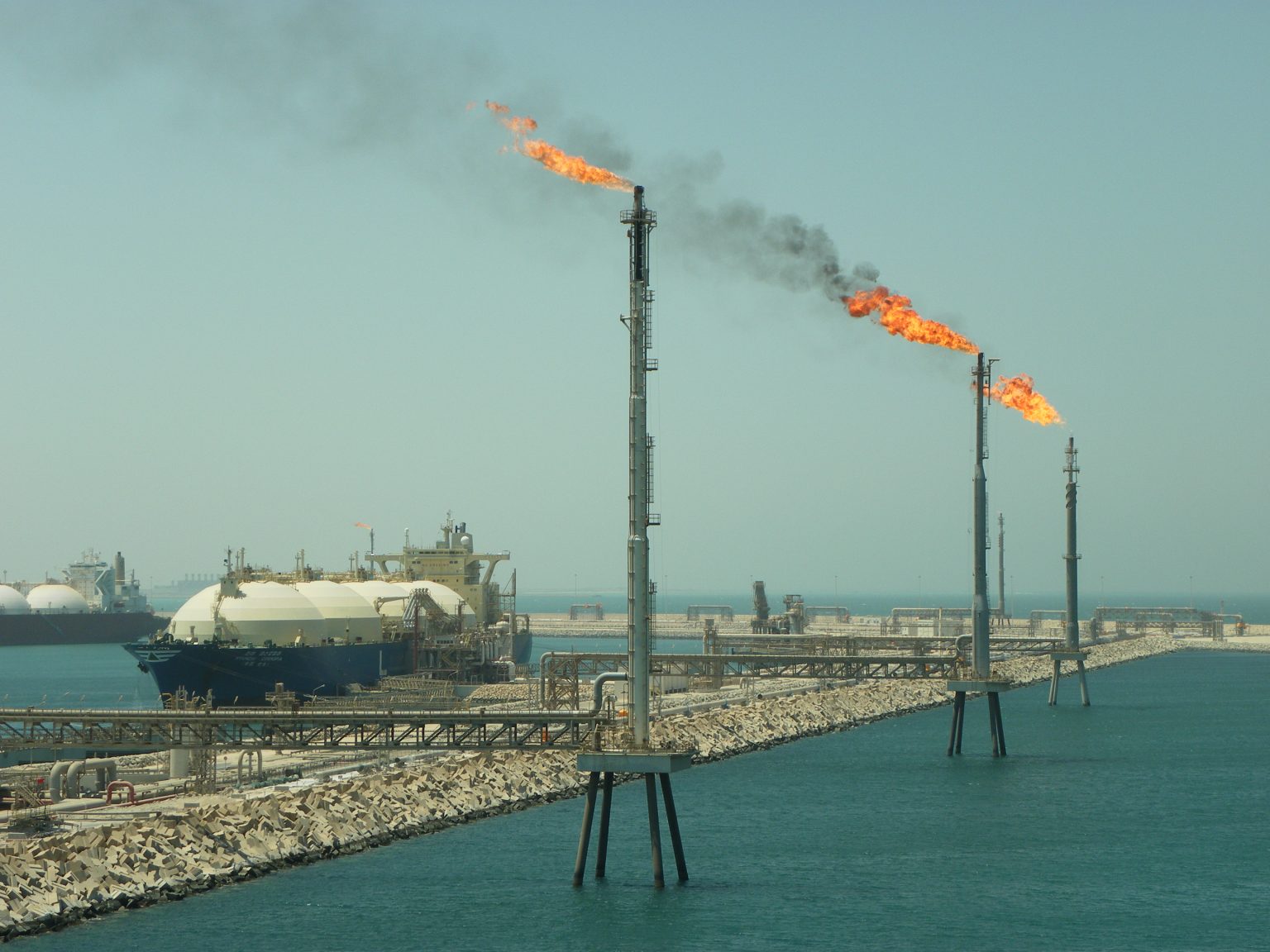
Ras Laffan, Qatar – March 24, 2026 — Brussels Morning Newspaper — Qatar gas facility damage has emerged as a major global concern after missile strikes targeted key infrastructure at one of the world’s largest liquefied natural gas hubs. The incident has immediately raised alarms across international energy markets, with fears of supply disruptions and broader geopolitical consequences.
Authorities confirmed that critical sections of Ras Laffan Industrial City were impacted, prompting emergency response measures and heightened security across the region. The development places Qatar at the center of global attention as governments and energy analysts assess potential fallout.
Breaking News Overview
Qatar gas facility damage has triggered urgent responses from QatarEnergy and national authorities. The strikes disrupted operations at a facility responsible for a significant share of global LNG exports, making the incident particularly serious.
Security forces were deployed across the industrial zone, and emergency teams began immediate containment efforts. Initial assessments suggest that multiple processing units and storage areas were affected.
The rapid response highlights the strategic importance of Ras Laffan and the need to stabilize operations quickly to prevent wider disruption.
How the Attack Unfolded
Qatar gas facility damage began when missile strikes hit critical infrastructure within Ras Laffan Industrial City. The facility, located along Qatar’s northeastern coastline, is a cornerstone of the country’s energy production.
Witnesses described a coordinated sequence of impacts, followed by emergency alarms and rapid deployment of response teams. The precision of the strikes has raised concerns about the level of planning and capability behind the attack.
Investigations are underway to determine the origin and intent, with authorities focusing on preventing further incidents.
Extent of the Infrastructure Damage
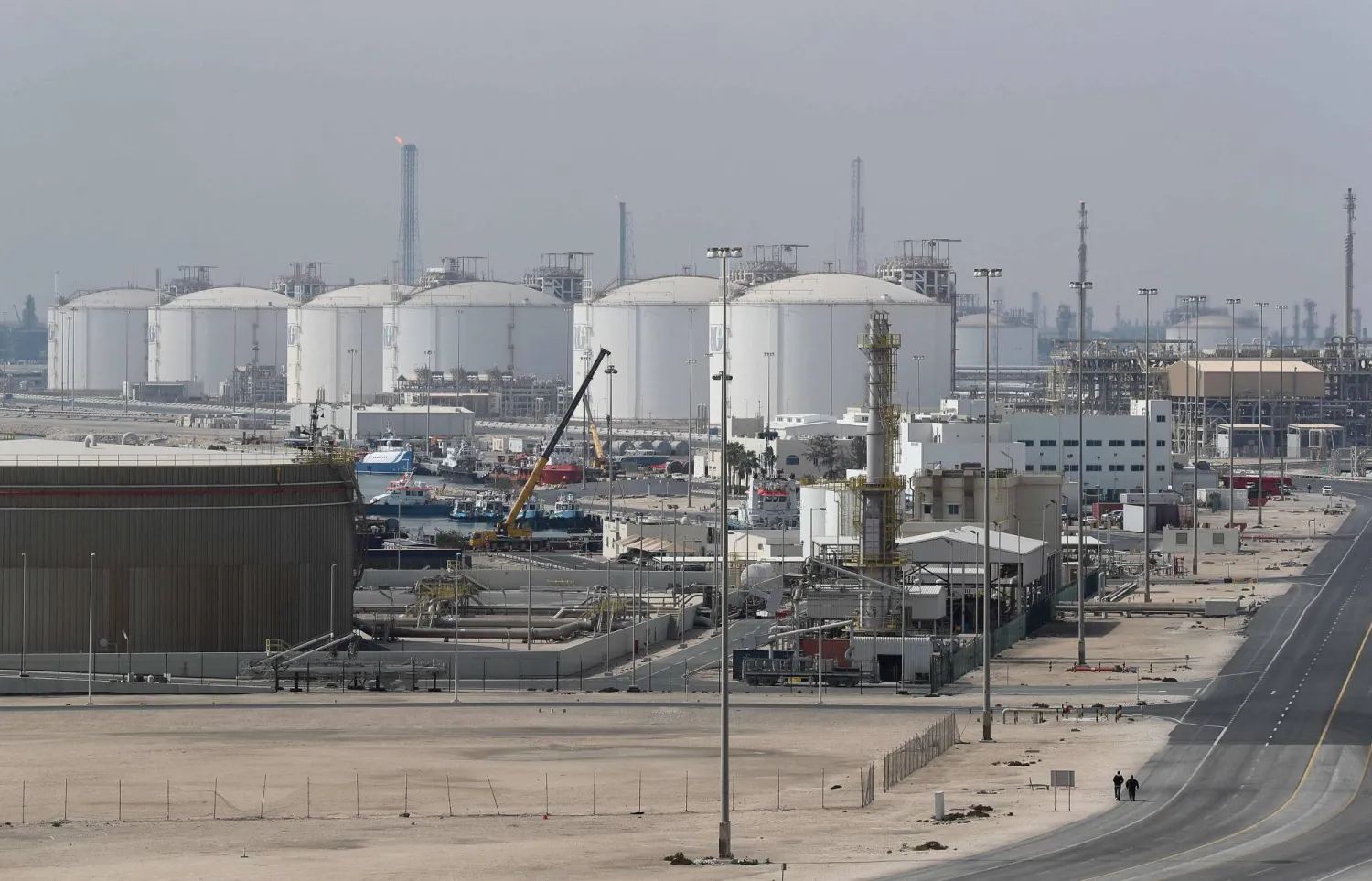
Qatar gas facility damage has been described as extensive, affecting pipelines, storage tanks, and processing units essential for LNG production. Engineers are currently conducting detailed inspections to assess structural integrity.
Preliminary findings suggest that some operations may remain offline until repairs are completed. The complexity of LNG facilities means that even minor disruptions can have significant consequences.
Energy experts warn that the impact could extend beyond Qatar, influencing supply chains and pricing in multiple regions.
Immediate Government and Industry Response
Qatar gas facility damage prompted swift action from both government agencies and QatarEnergy. Emergency protocols were activated to secure the site and protect personnel.
Authorities emphasized that containment measures were effective in preventing further escalation. Efforts are now focused on stabilizing the situation and restoring production capacity.
“Our priority is to secure operations and ensure stability in energy supply,”
an official said.
Impact on Global LNG Supply
Qatar gas facility damage has sent shockwaves through global energy markets. Qatar is a leading exporter of liquefied natural gas, and disruptions at Ras Laffan can influence supply and pricing worldwide.
Countries heavily dependent on LNG imports are closely monitoring the situation, while market analysts have already noted increased volatility.
The incident underscores the vulnerability of global energy systems to localized disruptions in critical infrastructure.
Regional Security Implications
Qatar gas facility damage raises serious concerns about the security of energy infrastructure in the Gulf region. The targeting of a major LNG facility highlights the risks associated with geopolitical tensions.
Regional governments may increase security measures around critical assets, while international cooperation on infrastructure protection could become more important.
The broader implications will depend on how the situation evolves and whether further incidents occur.
Operational Recovery and Technical Challenges
Qatar gas facility damage presents immediate challenges for restoring normal operations. Technical teams are working to assess damage and prioritize repairs.
Restarting LNG production requires careful planning to ensure safety and efficiency. Any delays could prolong the impact on global supply.
Despite these challenges, officials remain optimistic about recovery efforts.
Economic Impact and Market Reactions
Qatar gas facility damage may have lasting economic consequences. Reduced output could affect export revenues and influence global energy pricing.
Financial markets have already reacted to the news, with increased uncertainty affecting energy related sectors.
The situation highlights the importance of resilience in critical infrastructure and the potential costs of disruption.
International Reactions and Diplomatic Signals
Qatar gas facility damage has drawn widespread international attention. Governments and organizations have expressed concern about the potential impact on energy stability and regional security.
Diplomatic discussions may intensify as stakeholders seek to prevent further escalation and ensure the protection of critical infrastructure.
The global response reflects the significance of Qatar’s role in the energy sector.
Historical Context of Energy Infrastructure Threats
Qatar gas facility damage fits into a broader pattern of threats targeting critical energy infrastructure. Over the years, such incidents have disrupted markets and prompted increased security measures.
Energy facilities are often considered strategic targets due to their economic importance. Each event has reinforced the need for enhanced protection and resilience.
Understanding this context helps explain the urgency of the current response.
Future Outlook for Global Energy Security
Qatar gas facility damage marks a pivotal moment for global energy security. The incident highlights vulnerabilities that may require new approaches to infrastructure protection.
Experts suggest that investments in advanced security systems and contingency planning will increase as a result.
The coming weeks will be critical in determining how quickly stability can be restored.
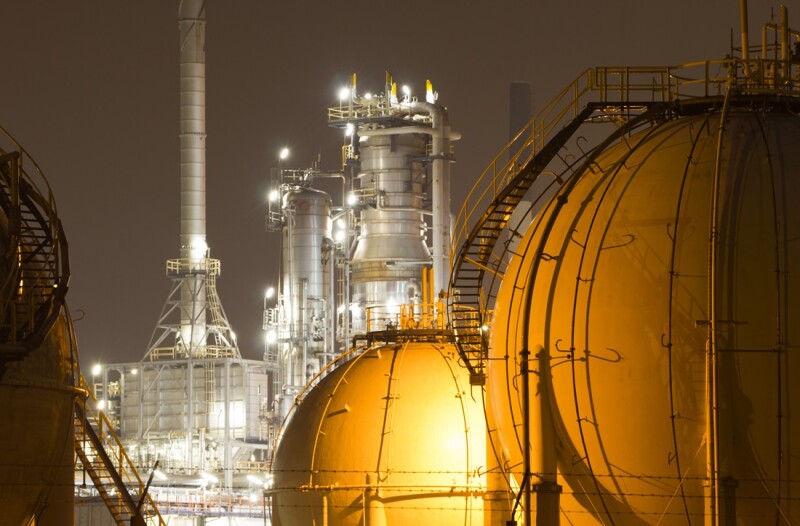
A Critical Shock That Could Redefine Energy Stability
Qatar gas facility damage represents more than a localized disruption. It is a clear reminder of how interconnected global energy systems are and how quickly they can be affected by targeted incidents.
The response from Qatar and the international community will shape future strategies for protecting energy assets. As recovery efforts continue, the focus will remain on resilience and stability.
“This event is a wake up call for global energy security and infrastructure protection,”
an energy analyst said.
“The scale of disruption shows how vital these facilities are to the global economy,”
another observer added.
When Energy Security Becomes a Global Fault Line
The events surrounding this crisis mark a defining moment where energy infrastructure is no longer just an economic asset but a frontline vulnerability in global stability. What happened in Ras Laffan is not isolated it reflects a deeper shift in how strategic resources are targeted and protected in an increasingly uncertain world.
As recovery efforts move forward, the real test will be whether nations and energy producers can adapt quickly enough to safeguard critical systems against evolving threats. The decisions made now will influence not only immediate supply stability but also the long term resilience of global energy networks.
This moment stands as a warning that the balance between security and energy dependence is more fragile than ever, and the consequences of disruption are no longer regional they are truly global.