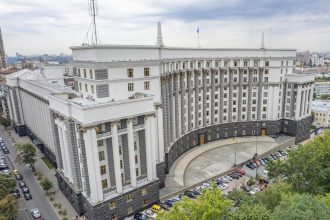

Baghdad, Iraq, March 24, 2026 (Brussels Morning Newspaper) PMF forces Iraq have emerged at the center of escalating security tensions across Baghdad, according to Brussels Morning Newspaper. Authorities confirmed that recent developments have raised significant concern within government circles, with officials warning of potential instability if the situation continues to deteriorate.
Security agencies have increased alert levels throughout the capital, deploying additional units and reinforcing strategic positions. The growing presence of PMF forces Iraq reflects the seriousness of the threat environment and the urgency of restoring stability.
Intensifying Security Environment in the Capital
Baghdad is witnessing a noticeable shift in its security landscape. Recent incidents targeting security elements have triggered rapid responses from multiple agencies, leading to a heightened military presence across key districts.
Checkpoints have expanded, and patrols are now visible throughout commercial zones and residential neighborhoods. Officials suggest that these measures are necessary to prevent further incidents and reassure the population.
PMF forces Iraq are playing a central role in these operations, acting as both a defensive and stabilizing force in areas experiencing increased tension.
Government Position and National Messaging
Iraqi leadership has issued strong statements emphasizing unity and resilience. Officials have condemned any actions that threaten national security and stressed the importance of protecting all defense institutions.
PMF forces Iraq are being positioned as a critical component of the country’s response strategy. Leaders have reiterated that maintaining stability requires coordinated efforts across all security sectors.
One senior official stated,
“Iraq must stand united in the face of those who seek to undermine its security,”
highlighting the urgency of collective action.
Strategic Importance of Security Forces
PMF forces Iraq continue to play a vital role in maintaining national defense. Their responsibilities extend beyond combat operations to include urban security, infrastructure protection, and rapid response capabilities.
Their experience in counterterrorism operations has made them a key asset in addressing evolving threats. This operational versatility allows them to respond effectively to both conventional and unconventional challenges.
Despite ongoing debates regarding their structure, their importance within Iraq’s security framework remains significant.
Coordination Between Security Units
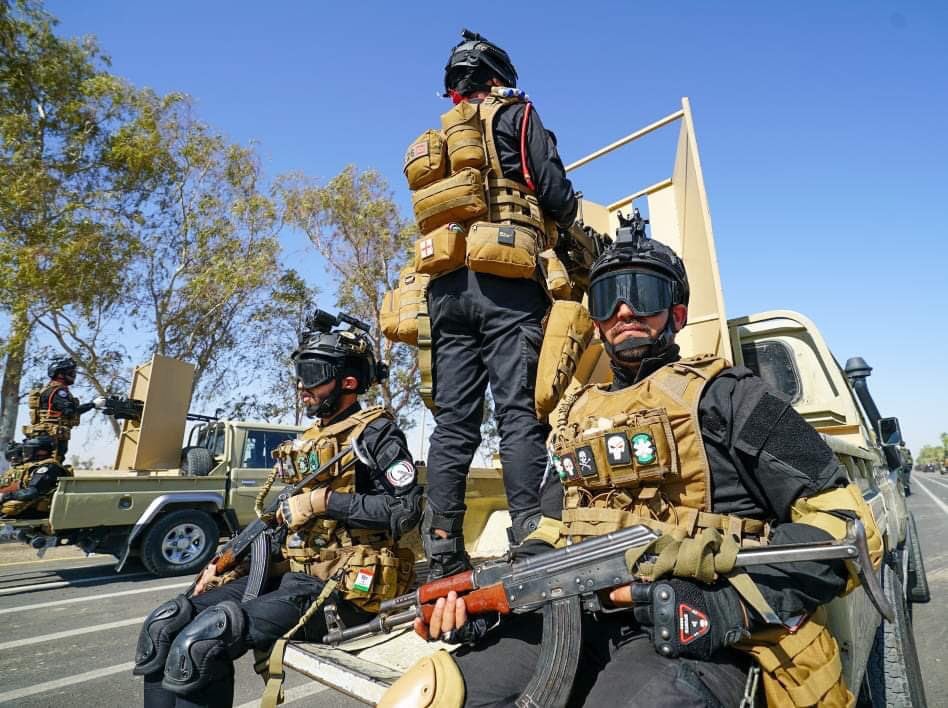
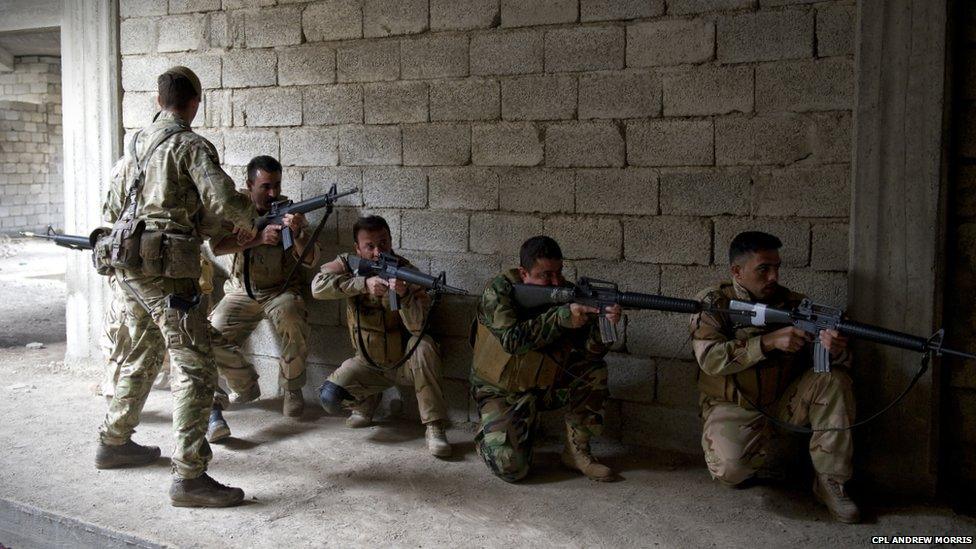
Efforts to improve coordination among different security groups have intensified. PMF forces Iraq are working alongside federal military units and Kurdish forces to ensure a unified response to threats.
Joint operations have become increasingly important, with intelligence sharing playing a central role in preventing further incidents. Officials believe that stronger collaboration will enhance overall security effectiveness.
These partnerships are seen as essential in addressing complex challenges that cannot be managed by a single entity alone.
Civilian Impact and Public Response
The heightened security environment has had a direct impact on daily life. Residents across Baghdad report increased checkpoints, traffic delays, and a stronger military presence in their communities.
While these measures are intended to enhance safety, they have also disrupted economic activity and routine operations. Businesses face challenges in maintaining normal operations under tightened security conditions.
PMF forces Iraq presence is viewed by many citizens as necessary, though it also reflects the seriousness of the current situation.
Regional Implications and Global Attention
Developments in Iraq are being closely monitored by regional and international observers. The stability of the country is considered crucial for broader Middle East security.
PMF forces Iraq activities are seen as a key indicator of the country’s ability to manage internal challenges. Neighboring countries have expressed concern about the potential for instability to spread beyond Iraq’s borders.
International stakeholders continue to emphasize the importance of maintaining peace and preventing escalation.
Political Pressures and Internal Challenges
The crisis is unfolding against a backdrop of complex political dynamics. PMF forces Iraq are often at the center of debates regarding governance, authority, and integration within the national defense structure.
Different political factions hold varying views on how these forces should operate, creating challenges in forming unified policies. These internal divisions can complicate efforts to address security threats effectively.
Despite these differences, there is a shared understanding of the need to maintain stability.
Security Enhancements and Preventive Measures
Authorities are implementing new strategies to strengthen security. PMF forces Iraq are part of enhanced operations that include increased surveillance and rapid response capabilities.
Technology is being leveraged to improve threat detection, while intelligence networks are being expanded to identify risks before they escalate.
These measures are designed to create a more resilient security framework capable of responding to evolving challenges.
Historical Context of PMF Development
The origins of PMF forces Iraq can be traced back to a period of national crisis when the country faced significant threats from extremist groups. Their formation marked a turning point in Iraq’s approach to security.
Over time, these forces became integrated into the broader defense structure, playing a central role in both military operations and internal security.
Understanding this history provides insight into their current role and the complexities surrounding their presence in Iraq today.
Public Sentiment and National Unity
Public opinion reflects a mix of concern and resilience. Citizens recognize the importance of maintaining security while also expressing a desire for stability and normalcy.
Community leaders continue to call for unity, emphasizing that cooperation among all groups is essential in overcoming current challenges.
PMF forces Iraq are viewed by many as a symbol of protection, though perspectives vary across different regions and political affiliations.
Economic Impact of Security Tensions
The ongoing situation is affecting Iraq’s economic landscape. Increased security measures have disrupted transportation, trade, and business activities in several areas.
Companies face delays, and some sectors are experiencing reduced productivity due to uncertainty. Infrastructure projects may also be impacted as resources are redirected toward security efforts.
PMF forces Iraq deployment highlights the close relationship between security and economic stability.
International Diplomatic Developments
Diplomatic responses continue to emerge as the situation evolves. International partners are urging restraint and encouraging dialogue to prevent escalation.
PMF forces Iraq remain a focal point in discussions about Iraq’s stability, with foreign governments emphasizing the importance of maintaining order.
These diplomatic efforts reflect the global significance of developments within Iraq.
Future Outlook and Strategic Considerations
The path forward remains uncertain as Iraq navigates this critical period. PMF forces Iraq will continue to play a central role in shaping the country’s response to ongoing challenges.
Experts suggest that long term stability will depend on effective coordination, political unity, and sustained investment in security infrastructure.
The coming weeks are expected to be decisive in determining whether the situation stabilizes or escalates further.
Iraq’s Defining Security Test in 2026
Iraq stands at a critical juncture as it confronts rising security challenges that could shape its future trajectory. PMF forces Iraq are at the heart of this moment, representing both the strength and complexity of the nation’s defense system.
The ability of leaders to navigate political divisions, strengthen coordination, and maintain public confidence will determine the outcome of this crisis. As events continue to unfold, Iraq’s resilience will be tested in ways that could define its path for years to come.