Doha, Qatar, March 22, 2026 (Brussels Morning Newspaper) Iran LNG attack Qatar has escalated into a major geopolitical crisis in Doha Qatar on March 22 2026, raising serious concerns about global energy stability and regional security. Officials confirmed that a strike on key liquefied natural gas infrastructure has triggered immediate defensive measures and intensified diplomatic engagement across the Gulf region.
The Iran LNG attack Qatar is being closely analyzed by global energy experts who warn that such developments could disrupt supply chains and trigger broader economic consequences. As tensions rise, governments and markets are reacting quickly to assess the risks associated with this rapidly evolving situation.
Qatar’s LNG role in powering global economies
Qatar plays a central role in the global energy system as one of the largest exporters of liquefied natural gas. Its production supports energy demand across Europe, Asia, and emerging markets.
The Iran LNG attack Qatar underscores how critical this infrastructure is to maintaining global stability. LNG exports from Qatar are not only a source of revenue but also a key component of energy security for multiple nations.
Disruptions to these exports can create immediate shortages and price volatility, making the situation highly significant for international markets.
Energy markets react with volatility and uncertainty
Global energy markets responded swiftly to the Iran LNG attack Qatar, with noticeable price fluctuations and increased volatility. Traders and investors are adjusting their strategies as uncertainty grows.
Energy dependent economies are particularly sensitive to such developments. Even the possibility of disruption can influence pricing, investment decisions, and long term planning.
A senior analyst stated,
“Markets are reacting not just to events, but to the potential for escalation, and that uncertainty is driving volatility.”
Security measures intensify across LNG infrastructure
Following the Iran LNG attack Qatar, authorities have significantly increased security around critical energy facilities. Additional personnel, advanced surveillance systems, and coordinated defense strategies are being deployed.
These measures aim to protect infrastructure and ensure the continuity of operations. Officials are also reviewing vulnerabilities to strengthen long term resilience.
The focus on security highlights the growing importance of safeguarding energy assets in a volatile geopolitical environment.
Regional tensions reshape Gulf dynamics
The Iran LNG attack Qatar has intensified tensions across the Gulf region, prompting neighboring countries to reassess their security and diplomatic strategies.
Relations between regional powers are under increased strain, and the potential for broader conflict remains a key concern. Developments in one part of the region can quickly influence stability elsewhere.
Diplomatic efforts seek to contain escalation
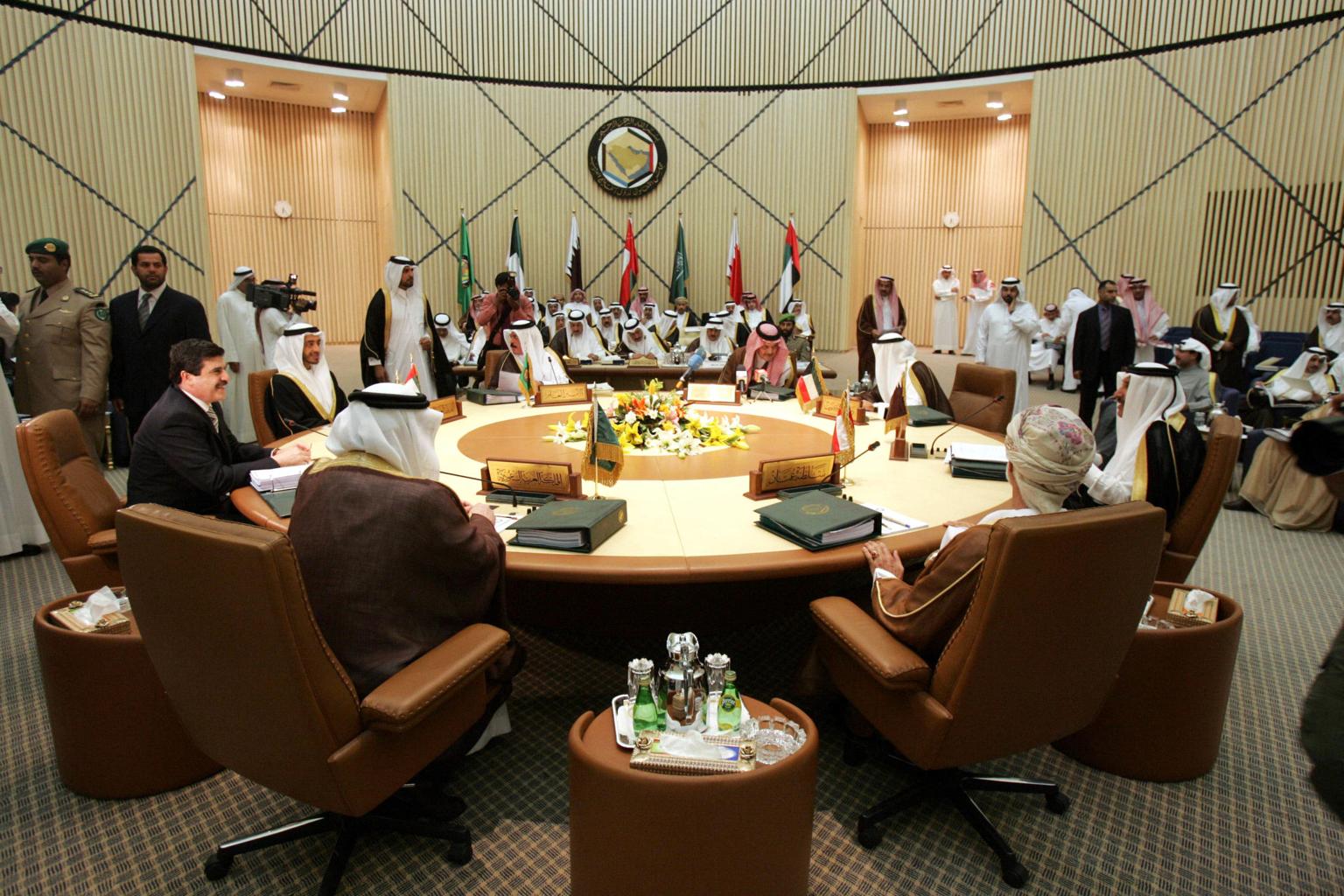
Diplomatic channels remain active as leaders work to prevent further escalation following the Iran LNG attack Qatar. International calls for restraint and dialogue are growing louder.
Negotiations are focused on maintaining stability and ensuring that energy flows are not disrupted. However, progress remains uncertain due to the complexity of the situation.
A diplomat noted,
“Maintaining stability in the Gulf is essential not only for the region but for the global economy.”
Global supply chains face mounting risks
The Iran LNG attack Qatar has introduced new risks into global supply chains. LNG shipments are critical for maintaining energy security in many regions.
Disruptions could lead to shortages, increased costs, and operational challenges for industries that rely on stable energy supplies. Countries are exploring alternative sources, but replacing Qatar’s capacity remains difficult.
Military readiness becomes a strategic priority
In response to the Iran LNG attack Qatar, military readiness has become a central focus. Defense forces are increasing their presence, conducting exercises, and deploying advanced systems to protect infrastructure.
This shift reflects a broader trend in the region, where security considerations are becoming central to national strategies.
Economic ripple effects extend worldwide
The economic impact of the Iran LNG attack Qatar extends beyond energy markets. Rising energy costs can contribute to inflation, affecting consumers and businesses globally.
Industries such as transportation, manufacturing, and aviation are particularly sensitive to fluctuations in energy prices. Financial markets are also adjusting to the evolving risk environment.
Workforce safety and community concerns grow
The Iran LNG attack Qatar has raised concerns about the safety of workers and nearby communities. Ensuring the protection of personnel at energy facilities is a top priority.
Safety protocols are being reviewed and strengthened, while emergency response systems are being updated to address potential risks.
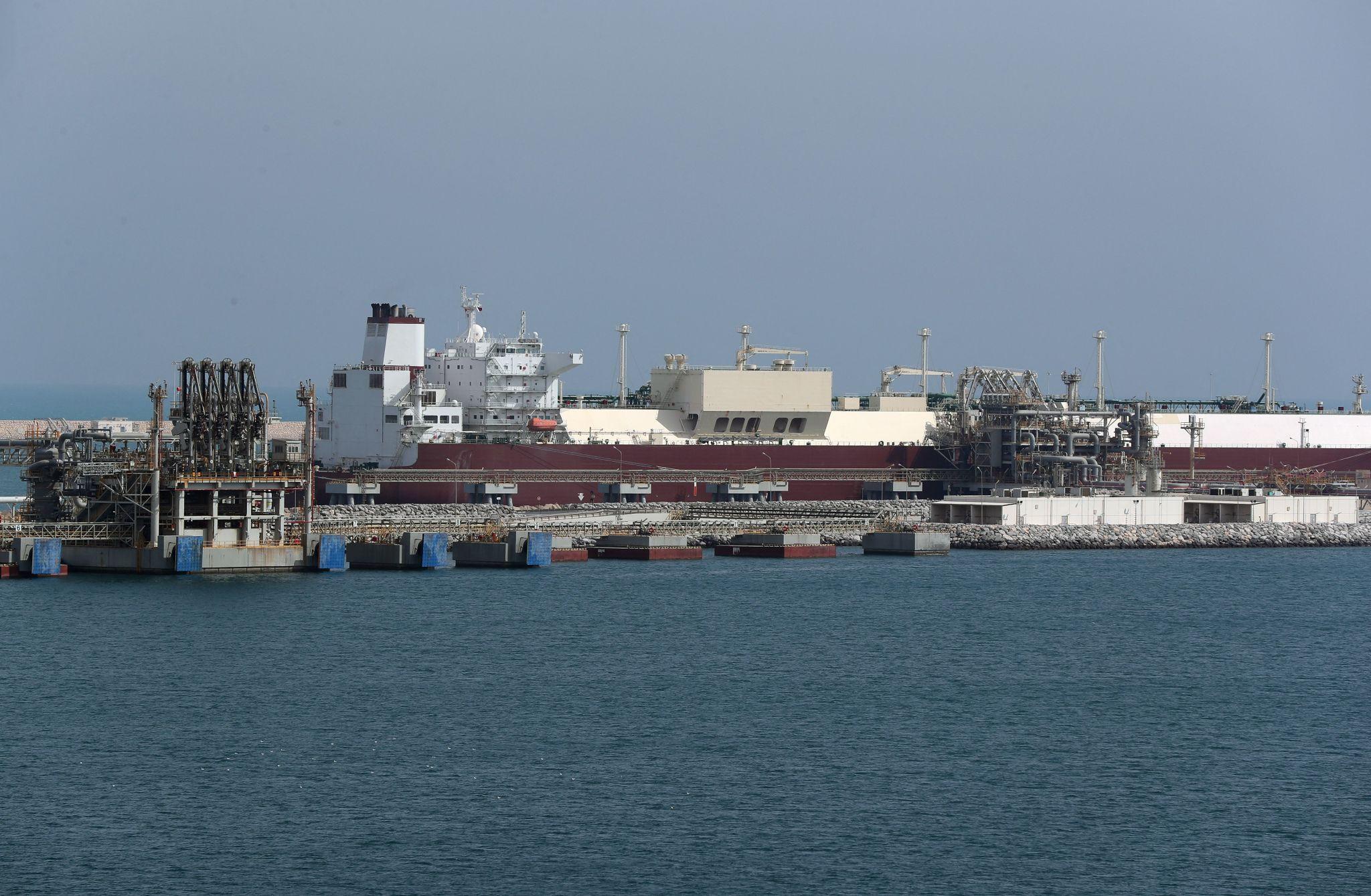
Historical perspective on energy infrastructure conflicts
Historically, attacks on energy infrastructure have had significant consequences for global markets and regional stability. The Iran LNG attack Qatar reflects patterns seen in previous conflicts targeting critical resources.
Past incidents demonstrate how quickly such events can escalate and how long recovery can take, shaping current responses.
Future outlook remains uncertain amid rising tensions
The trajectory of the Iran LNG attack Qatar remains uncertain. Diplomatic efforts may lead to stabilization, or tensions could continue to escalate.
Analysts are closely monitoring developments, including military movements and policy decisions, for indications of future direction.
A defining moment for global energy stability and geopolitical balance
The Iran LNG attack Qatar represents a defining moment in global geopolitics. It highlights the vulnerability of energy infrastructure and the interconnected nature of international markets.
As the situation evolves, cooperation and strategic planning will be essential in maintaining stability. The outcome will shape global energy dynamics and regional relations for years to come.