
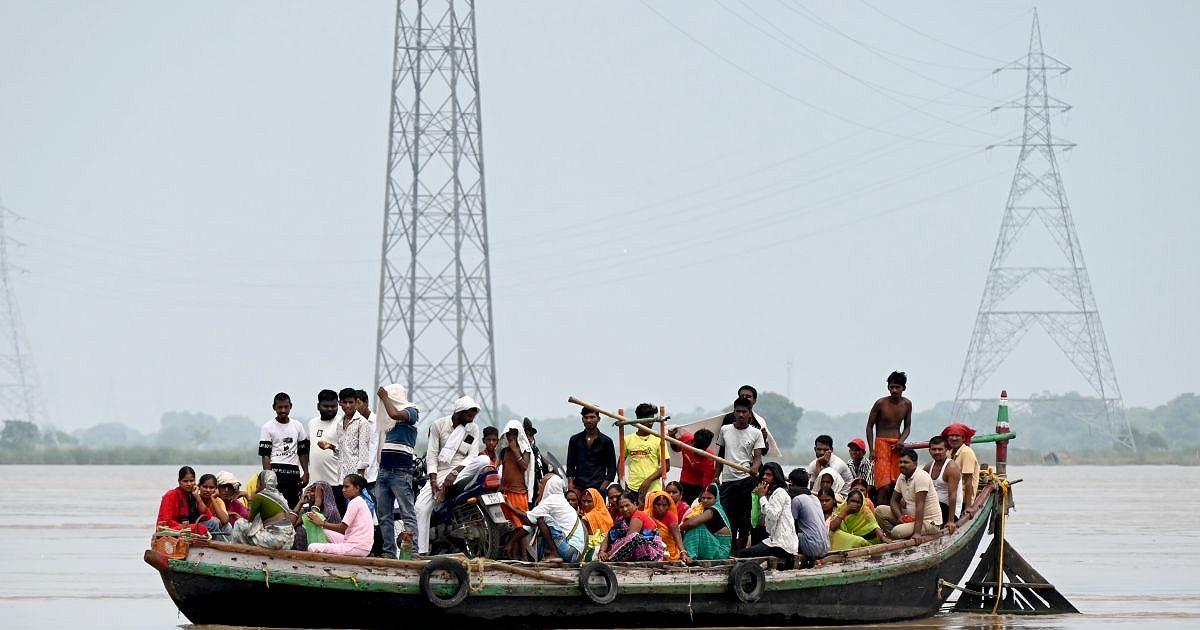
ANDHRA PRADESH, 29 October, (Brussels Morning Newspaper) – India cyclone evacuations have exceeded 180,000 as Cyclone Arnab battered the country’s eastern coastline, killing at least six people and causing widespread damage to homes, electricity networks and agricultural land.
The powerful storm made landfall in Andhra Pradesh on Wednesday, 28 October, bringing destructive winds and torrential rainfall to vulnerable coastal districts.
Reuters reported six deaths on Thursday, while local authorities continued assessing the damage. Emergency operations remain under way in Andhra Pradesh and neighbouring Odisha, where thousands of residents were moved to safer locations before the cyclone arrived.
India Cyclone Evacuations Disrupt Coastal Communities
The India Meteorological Department (IMD) classified Arnab as a very severe cyclonic storm before landfall, forecasting sustained winds of 115–125 kilometres per hour and gusts reaching 140 kilometres per hour.
The storm crossed the Andhra Pradesh coastline near Yanam, uprooting trees, damaging buildings and disrupting transport services.
According to Reuters, at least 15,000 electricity poles were damaged, leaving communities without reliable power supplies.
Electricity restoration was progressing on Thursday, although disruption continued in parts of Konaseema and West Godavari.
A cargo vessel carrying 20 crew members also remained grounded offshore amid difficult maritime conditions.
Schools closed in several affected districts, while railway and aviation services experienced cancellations and delays.
Emergency Teams Respond to Widespread Storm Damage
India’s central government activated emergency coordination arrangements ahead of the cyclone’s arrival.
On 26 October, Cabinet Secretary T. V. Somanathan chaired a National Crisis Management Committee meeting to review preparedness across vulnerable states.
According to the government’s Press Information Bureau, the meeting examined evacuation arrangements, emergency shelters, disaster response resources and essential services.
Andhra Pradesh authorities deployed rescue personnel and medical teams while moving residents away from flood-prone settlements.
The Indian Express reported that 4,711 pregnant women were relocated from vulnerable areas to healthcare facilities before the cyclone arrived.
Odisha also mobilised emergency teams across six southern districts, including Ganjam, Gajapati, Rayagada, Malkangiri, Koraput and Nabarangpur.
Weather Officials Confirm Storm Is Weakening
The IMD confirmed that Arnab weakened after moving inland.
An official bulletin issued early on 29 October placed the system over northern coastal Andhra Pradesh and adjoining areas of southern Odisha, southern Chhattisgarh and northeastern Telangana.
The weather agency reported that the storm had weakened into a deep depression and was expected to lose further intensity.
However, heavy rainfall, flooding and damaged infrastructure remained concerns for affected communities.
Why Eastern India Faces Serious Cyclone Risks
India’s eastern coastline is particularly vulnerable to tropical storms developing over the Bay of Bengal.
Coastal Andhra Pradesh and Odisha contain densely populated settlements, agricultural districts and fishing communities exposed to damaging winds and flooding.
The latest disaster has affected transport connections, electricity distribution and agricultural activity.
The Associated Press reported extensive crop damage across coastal districts, including losses affecting banana and coconut plantations.
The disruption could create additional difficulties for farmers and households already dealing with damaged property and interrupted essential services.
What Happens Next for India’s Cyclone Recovery?
Andhra Pradesh Chief Minister N. Chandrababu Naidu has requested a central government assessment of the cyclone damage.
Authorities are continuing electricity restoration, road clearance and assessments of affected homes and agricultural land.
Further evaluations will be needed to establish the full economic cost and determine recovery requirements.
Although the storm is weakening, officials continue to monitor weather conditions and advise residents to follow local safety instructions.
The scale of the India cyclone evacuations highlights the importance of early warnings, emergency planning and coordinated disaster response in protecting vulnerable coastal populations.