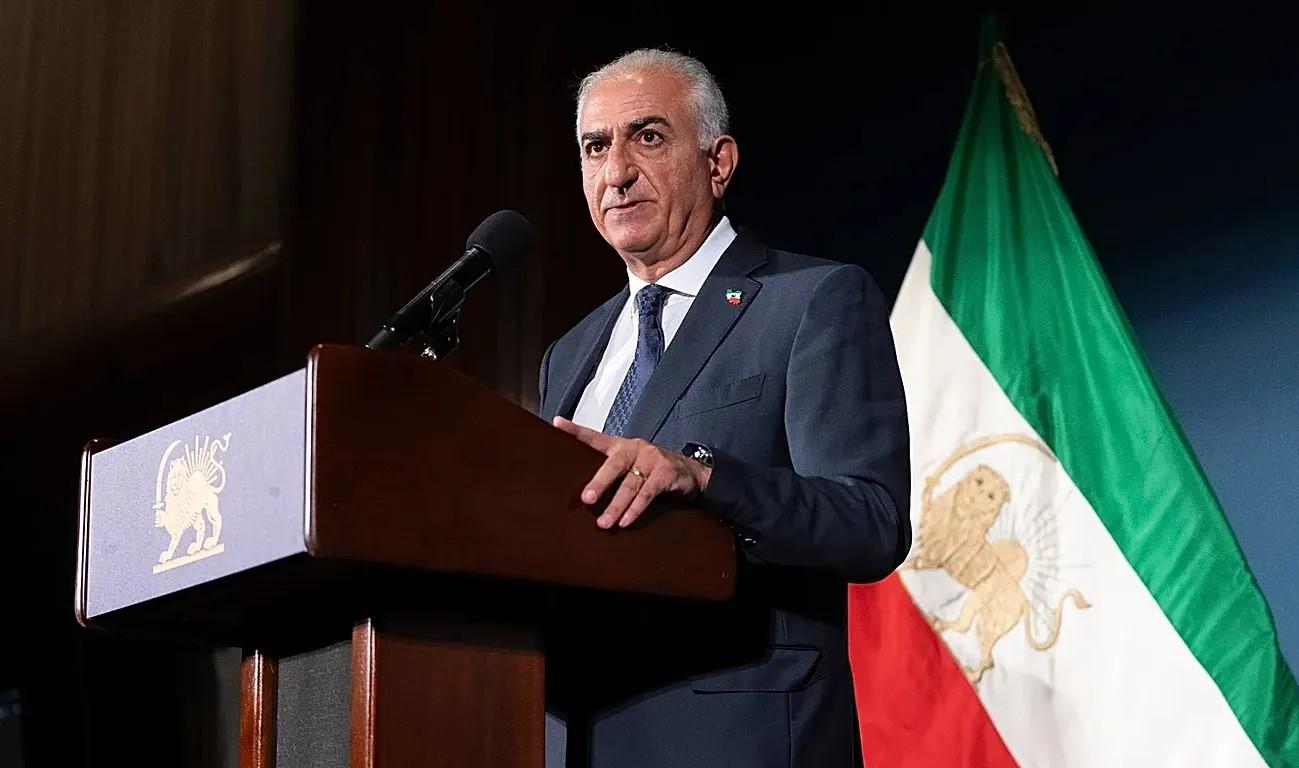
BRUSSELS, 6 November – Brussels Morning Newspaper – Belgium’s Defence Minister Theo Francken has accused Iran of threatening serious consequences if the country allowed exiled Iranian opposition figure Reza Pahlavi to deliver a speech at the Royal Military Academy in Brussels.
- Iran Threatens Belgium Over Opposition Leader’s Visit
- Why Reza Pahlavi’s Brussels Speech Sparked Controversy
- Belgian Defence Minister Rejects Pressure From Tehran
- Iranian Opposition Groups Also Challenge Pahlavi Invitation
- Reza Pahlavi Calls for Stronger European Action
- What the Dispute Means for Belgium-Iran Relations
The warning, disclosed by Francken on Friday, has brought renewed attention to tensions between Tehran and European governments over political opposition, national sovereignty and freedom of expression.
Despite the reported pressure, Belgian authorities proceeded with the event, where Pahlavi was invited to discuss developments in the Middle East and Iran’s political future.
Iran Threatens Belgium Over Opposition Leader’s Visit
Speaking at the Royal Military Academy, Francken said Belgian authorities had received warnings about allowing Pahlavi to address the institution.
“We have been warned of dire consequences if the lecture went ahead,” Francken told the audience, according to Iran International.
The defence minister argued that Tehran’s opposition to the event demonstrated its concern about Pahlavi’s political message.
Francken also accused the Iranian leadership of attempting to influence democratic debate in Belgium, maintaining that academic and military institutions should remain free to examine international security issues without foreign interference.
The precise nature of the reported warning, including how it was delivered and what consequences were threatened, has not been independently established.
Why Reza Pahlavi’s Brussels Speech Sparked Controversy
Reza Pahlavi is the son of Mohammad Reza Pahlavi, Iran’s last shah, who was overthrown during the 1979 Islamic Revolution.
Living in exile, Pahlavi has become a prominent critic of the Islamic Republic and advocates political change through a process that would allow Iranians to determine their country’s future.
His appearance at a Belgian military institution carried particular political significance because it provided an official setting for an outspoken opponent of Tehran.
Francken introduced Pahlavi as an influential voice in discussions about Iran’s future and said his perspective could help explain the wider security challenges facing Europe and the Middle East.
Belgian Defence Minister Rejects Pressure From Tehran
Francken defended the decision to host the lecture, presenting it as a matter of democratic independence and freedom of discussion.
He argued that Belgium’s military and academic institutions must be able to examine difficult geopolitical questions, including those involving governments that strongly oppose the views being expressed.
The minister also highlighted the economic and security implications of the conflict involving Iran and the United States.
For Belgium, the dispute raises a broader question: how should European governments respond when foreign authorities allegedly seek to influence events held within their institutions?
Iranian Opposition Groups Also Challenge Pahlavi Invitation
The controversy surrounding Pahlavi’s visit was not limited to Tehran.
Several Iranian republican organisations had previously called on Belgian officials to cancel his appearance at the Royal Military Academy.
In an October statement, Iranian community representatives argued that hosting Pahlavi at a state military institution risked giving political legitimacy to an unelected opposition figure.
Their objections reflected divisions within the Iranian opposition, particularly over the country’s monarchical past, democratic representation and the role of foreign governments in shaping Iran’s political future.
The groups maintained that Iran’s future should be determined by its citizens through a democratic process rather than through the endorsement of any particular opposition leader abroad.
These objections were separate from the alleged threats described by Francken.
Reza Pahlavi Calls for Stronger European Action
Following the Brussels event, Pahlavi said he had encouraged Belgium to take a leading role within the European Union in responding to the Islamic Republic.
He also reported meeting Belgian Interior Minister Bernard Quintin to discuss security concerns involving Iran.
The meetings placed Belgium at the centre of a wider debate about European policy towards Tehran, particularly as tensions involving Iran continue to affect regional security and international diplomacy.
What the Dispute Means for Belgium-Iran Relations
The reported Iranian warning adds another point of friction to relations between Belgium and Tehran.
The immediate dispute concerns a political speech, but its implications extend to diplomatic independence, the protection of public institutions and the ability of opposition figures to speak openly in European countries.
Belgium’s decision to proceed with the event indicates that the reported warning did not prevent the lecture from taking place.
Whether the controversy results in further diplomatic exchanges or formal government action remains unclear.
For now, the episode illustrates how disputes over Iran’s political future are increasingly playing out beyond the Middle East, including in Brussels, where national and European security debates frequently intersect.