
BRUSSELS, 6 November – Brussels Morning Newspaper – Europe’s climate monitoring service has issued a fresh warning about rising global temperatures after October 2026 became the hottest October on record, adding to growing evidence that the planet is experiencing an extraordinary period of sustained warming.
- EU Climate Service Confirms Hottest October on Record
- Global Heat Warning Puts 2026 Among Hottest Years
- Strong El Niño Intensifies Global Temperature Rise
- Europe Faces Rising Climate Risks as Temperatures Climb
- Record Ocean Temperatures Raise Further Concerns
- Paris Agreement Targets Face Growing Pressure
- What the Latest Climate Warning Means for the World
The latest findings from the EU’s Copernicus Climate Change Service (C3S) suggest that 2026 is almost certain to become the second calendar year in recorded history to exceed 1.5°C above pre-industrial temperatures.
The Global Heat Warning comes as governments prepare for further international climate negotiations, with scientists highlighting the combined effects of human-driven climate change and an exceptionally strong El Niño weather pattern.
EU Climate Service Confirms Hottest October on Record
According to Copernicus, the average global surface air temperature reached 15.35°C in October 2026, approximately 0.90°C above the average recorded between 1991 and 2020.
More significantly, temperatures were 1.75°C higher than the estimated pre-industrial average of 1850–1900.
October marked the third consecutive month in which global temperatures exceeded the 1.5°C benchmark.
The figures reinforce concerns that unusually high temperatures are becoming a persistent feature of the global climate rather than isolated events.
Global Heat Warning Puts 2026 Among Hottest Years
Copernicus estimates that the global average temperature for 2026 will finish between 1.56°C and 1.61°C above pre-industrial levels.
Its statistical projections indicate an approximately 80% probability that 2026 will become the second-warmest year on record, behind 2024.
There is also a 20% chance that this year could match or surpass the existing record.
Scientists expect the average temperature across the four-year period from 2023 to 2026 to exceed 1.5°C above pre-industrial levels.
This development is particularly significant because it shows that exceptionally high temperatures have persisted across several years.
However, exceeding 1.5°C in an individual year or four-year period does not, by itself, mean the Paris Agreement’s long-term temperature goal has formally been breached. That assessment depends on warming sustained over a much longer period.
Strong El Niño Intensifies Global Temperature Rise
An unusually powerful El Niño event has contributed to the latest temperature records.
El Niño occurs when surface waters in the central and eastern tropical Pacific become warmer than normal, influencing weather patterns across the world.
Copernicus reported that sea surface temperatures across the extra-polar oceans reached 20.95°C in October, the highest level recorded for that month.
The tropical Pacific has experienced particularly exceptional conditions, with temperature anomalies in the Niño 3.4 region reaching 3.21°C.
Although El Niño can temporarily increase global temperatures, scientists emphasise that greenhouse gas emissions from human activities remain the principal driver of long-term warming.
Europe Faces Rising Climate Risks as Temperatures Climb
Europe has also experienced unusually warm conditions.
The average temperature across European land reached 11.51°C in October, making it the continent’s second-warmest October on record.
Temperatures were particularly elevated across Scandinavia and parts of eastern Europe.
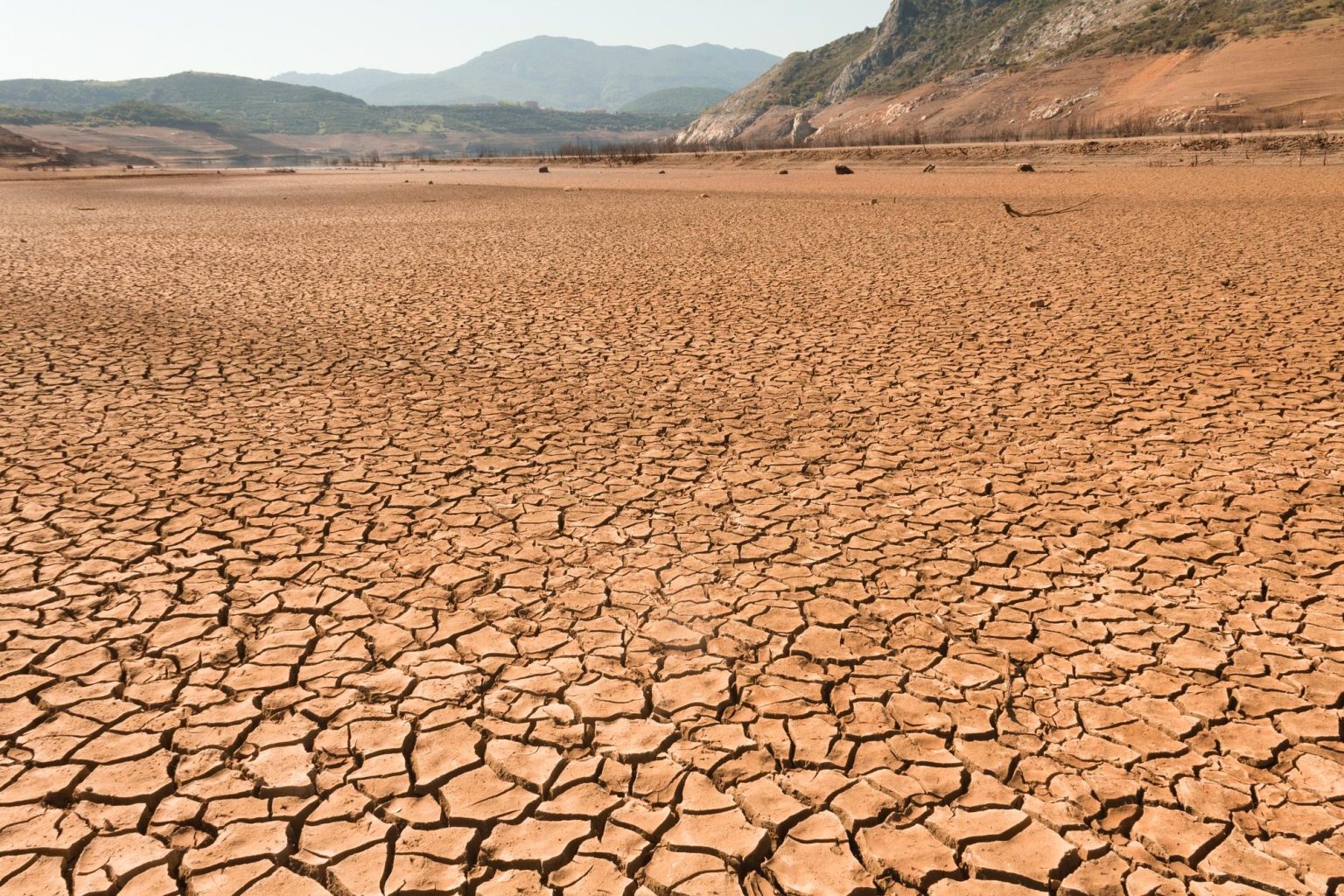
Meanwhile, unusually low river flows continued across sections of central and eastern Europe, affecting major waterways including the Rhine, Danube and Vistula.
Other European regions experienced heavy rainfall and flooding, illustrating the contrasting weather conditions that can occur during a period of global warming.
These developments raise practical concerns for European governments over water supplies, transport infrastructure, agriculture and preparedness for extreme weather.
Record Ocean Temperatures Raise Further Concerns
The Global Heat Warning extends beyond rising air temperatures.
Exceptionally warm oceans can influence rainfall, marine ecosystems and the development of severe weather systems.
Copernicus reported record October sea surface temperatures along parts of Europe’s Atlantic coastline and in the western Mediterranean.
Sea ice measurements also revealed unusual conditions. Antarctic sea ice extent was approximately 9% below the October average, making it the second-lowest October measurement in the satellite record.
Arctic sea ice extent was also around 9% below average.
Together, these observations provide further evidence of widespread changes across the Earth’s climate system.
Paris Agreement Targets Face Growing Pressure
The latest findings arrive as international attention turns towards the COP31 climate summit in Antalya, Türkiye.
Under the Paris Agreement, countries agreed to hold the increase in global average temperature well below 2°C and pursue efforts to limit warming to 1.5°C above pre-industrial levels.
The Global Heat Warning adds urgency to discussions about reducing greenhouse gas emissions, expanding cleaner energy systems and strengthening protection against climate-related disasters.
For the European Union, the findings also underline the importance of implementing climate policies while addressing concerns about energy affordability, industrial competitiveness and economic resilience.
What the Latest Climate Warning Means for the World
The latest Copernicus assessment shows that record-breaking temperatures are no longer confined to occasional exceptional months.
With 2026 likely to rank among the hottest years ever recorded, scientists are increasingly concerned about the persistence of global warming and the risks associated with further temperature increases.
The Global Heat Warning highlights the challenge facing governments: reducing the emissions responsible for long-term warming while preparing communities, infrastructure and economies for climate impacts already being experienced.
As world leaders approach another round of climate negotiations, the latest temperature records provide a clear indication of the scale of the challenge ahead.