GAZA CITY, 1 November – Brussels Morning Newspaper – Gaza strikes killed at least eight Palestinians on Sunday as renewed Israeli military operations coincided with growing security threats to commercial shipping in the Persian Gulf. The developments have heightened concerns about regional stability, with civilians, maritime workers and international energy markets facing continued uncertainty.
The latest Israeli attacks occurred amid disagreements over a US-brokered ceasefire, while a separate incident involving a Qatari liquefied natural gas carrier highlighted the risks confronting commercial vessels operating in strategically important Gulf waters.
Israeli Airstrikes Kill Eight Palestinians in Gaza
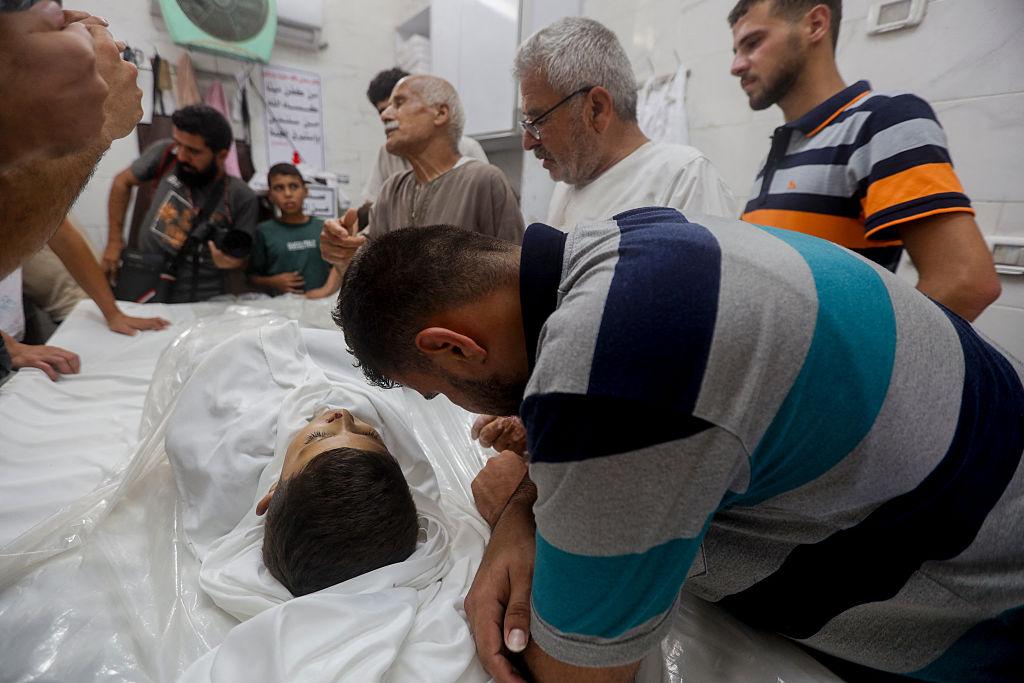
Medical officials and Gaza’s Hamas-run interior ministry reported that three Palestinians were killed in an Israeli airstrike in Gaza City, while five police officers died in a separate attack in western Khan Younis.
Israel’s military said it had targeted militants in Khan Younis but did not immediately comment on the reported Gaza City attack.
The latest violence has raised fresh questions about the durability of the ceasefire agreement introduced in October 2025, which was intended to reduce hostilities and create conditions for further negotiations.
Israeli authorities have accused Hamas of rebuilding its military capabilities and violating the agreement. Hamas has rejected those allegations and accused Israel of undermining the ceasefire through continued military operations.
These competing accusations have complicated negotiations over the next phase of the agreement, particularly proposals concerning Hamas disarmament, Israeli troop withdrawals and Gaza’s future governance.
Gulf Shipping Faces Growing Security Threats
Security concerns have also intensified in the Persian Gulf following an incident involving the Qatari liquefied natural gas carrier Al Mayeda.
Qatar’s shipping company Nakilat reported that unidentified objects struck the vessel, causing damage. The company said the incident resulted in no injuries or environmental consequences.
The attack has renewed attention on maritime security around the Strait of Hormuz, a strategically important waterway connecting the Persian Gulf with international shipping routes.
Regional instability has disrupted commercial shipping and increased concerns about the safety of vessels and their crews.
International maritime authorities have repeatedly warned that attacks and security restrictions in the region pose serious dangers to seafarers, including those aboard vessels unable to leave affected waters.
Further disruption could affect energy transportation, shipping costs and international supply chains, particularly for economies dependent on Gulf oil and liquefied natural gas exports.
Iran and United States Face Pressure Over Hormuz
Diplomatic efforts are continuing as Iran and the United States consider proposals aimed at reducing regional tensions and restoring maritime access.
Iranian Foreign Minister Abbas Araghchi said Iranian representatives were holding discussions in Qatar concerning a proposal to reopen the Strait of Hormuz, subject to Washington accepting certain conditions.
He indicated that Tehran remained prepared to pursue diplomacy while maintaining its military defence capabilities.
Iran has also maintained that these discussions do not constitute direct negotiations with the United States.
The outcome of diplomatic efforts could have significant implications for international shipping, energy markets and broader Middle East security.
Gaza Humanitarian Crisis Remains Severe
The latest Gaza strikes have added to the human cost of a conflict that has devastated much of the Palestinian territory.
According to Gaza’s Health Ministry, more than 1,570 Palestinians have been killed since the October 2025 ceasefire, while the overall reported death toll since the war began exceeds 74,500.
The ministry’s figures do not distinguish between civilians and combatants.
The conflict followed the Hamas-led attacks on Israel on 7 October 2023, in which approximately 1,200 people were killed.
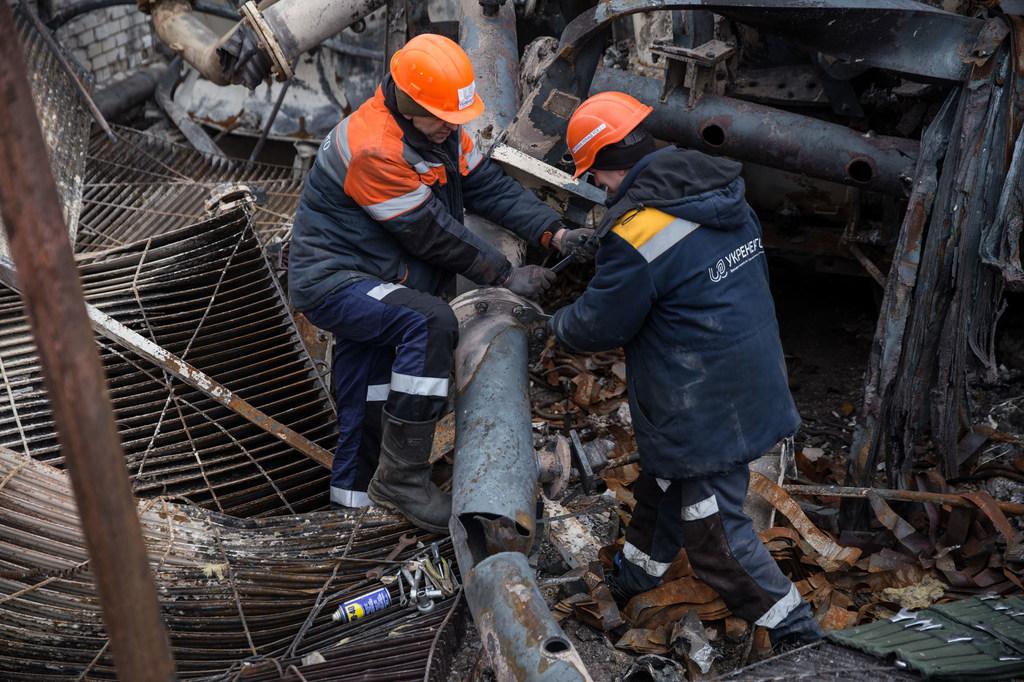
Years of fighting have damaged residential neighbourhoods, hospitals, roads and essential infrastructure across Gaza.
Reconstruction efforts remain constrained by unresolved political and security disagreements, leaving displaced families facing severe humanitarian challenges and uncertainty about their future.
What Happens Next for Gaza and Gulf Security?
Negotiations concerning Hamas disarmament, Israeli troop withdrawals and Gaza’s reconstruction remain central to the future of the ceasefire agreement.
Meanwhile, Qatari authorities are investigating the incident involving the Al Mayeda, while diplomatic discussions involving Iran and regional mediators continue.
For European governments and international businesses, developments in Gaza and the Persian Gulf carry important humanitarian, security and economic implications.
Further instability around the Strait of Hormuz could disrupt energy supplies and increase pressure on international trade, while continued violence in Gaza threatens efforts to establish a sustainable ceasefire.
The immediate challenges remain preventing further civilian casualties, protecting commercial shipping and determining whether diplomatic negotiations can deliver a lasting reduction in regional tensions.