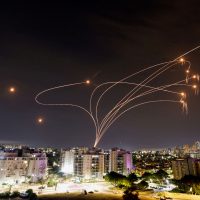

Amman, Jordan — March 14, 2026 — Brussels Morning Newspaper —The Jordan air defense system intercepted dozens of missiles and drones during the second week of escalating regional conflict, according to official statements from Jordan’s armed forces. Military officials confirmed that radar systems detected incoming aerial threats approaching Jordanian airspace before interception units quickly responded.
Defense forces launched interceptor missiles that destroyed the projectiles before they could reach cities or critical infrastructure. Residents across several areas reported seeing bright flashes and hearing explosions in the sky as defensive missiles intercepted incoming threats.
Authorities said the Jordan air defense system successfully neutralized dozens of missiles and drones during the operation. Officials confirmed that the interceptions prevented casualties and damage to key infrastructure.
Security analysts say the scale of the defensive operation highlights the increasing role of missile defense networks in protecting nations during modern conflicts.
The incident has drawn global attention as governments monitor rising tensions across the Middle East.
Rapid Military Response to Aerial Threats
Jordanian defense officials explained that the country’s radar network detected incoming missiles shortly after launch. Command centers immediately activated the Jordan air defense system, allowing interceptor batteries to engage the threats before they reached populated areas.
The system relies on radar tracking technology and high speed interceptor missiles capable of destroying aerial threats mid flight. Military operators used real time data to calculate missile trajectories and launch interceptors at the precise moment needed for interception.
Several drones were also intercepted during the operation. Officials said the Jordan air defense system tracked the unmanned aerial vehicles alongside ballistic missiles, preventing them from approaching strategic locations.
Defense experts say the ability to respond quickly to multiple threats demonstrates the effectiveness of modern missile defense networks.
The operation also highlights the importance of maintaining constant radar surveillance over regional airspace.
Jordan’s Strategic Position in Regional Security
Jordan’s geographic location places it at the crossroads of several regions experiencing military tensions. Because of this position, the Jordan air defense system plays a critical role in protecting both national territory and regional stability.
Jordan has historically maintained strong security partnerships with international allies. These partnerships have helped strengthen defensive infrastructure and improve military readiness.
The Jordan air defense system is designed to protect urban centers, transportation routes, and national infrastructure from missile threats.
Security analysts say Jordan’s defensive capabilities also contribute to broader regional security by preventing attacks from escalating into larger conflicts.
The successful interceptions demonstrate how defensive preparedness can help maintain stability during periods of geopolitical uncertainty.
Protecting Cities and National Infrastructure
A primary objective of the Jordan air defense system is protecting civilian populations and national infrastructure. Cities such as Amman contain major government buildings, transportation networks, and economic centers that require strong defensive protection.
Missile defense systems work by detecting incoming threats early and launching interceptor missiles before those threats reach their targets. Early detection allows military operators to determine the trajectory of incoming missiles and intercept them at high altitude.
During the recent operation the Jordan air defense system destroyed incoming threats high above populated areas. Officials confirmed that debris from the interceptions fell away from residential zones.
Defense planners emphasize that protecting civilians is the central priority of the country’s defense strategy.
The successful interceptions demonstrate how modern missile defense networks can prevent large scale damage during aerial attacks.
Rising Missile Threats in the Middle East
The Middle East has experienced a significant increase in missile and drone technology over the past decade. Military analysts say that these weapons have become central tools in regional conflicts.
The Jordan air defense system has therefore become an essential defensive capability in a region where missile launches can occur with little warning.
Countries across the Middle East are investing heavily in radar systems and interceptor technology designed to neutralize aerial threats before they reach their targets.
Jordan’s ability to intercept dozens of projectiles demonstrates the importance of advanced missile defense networks.
Experts say continued investment in defensive technology will remain critical as missile capabilities continue to evolve.
Historical Comparison With Earlier Missile Defense Systems
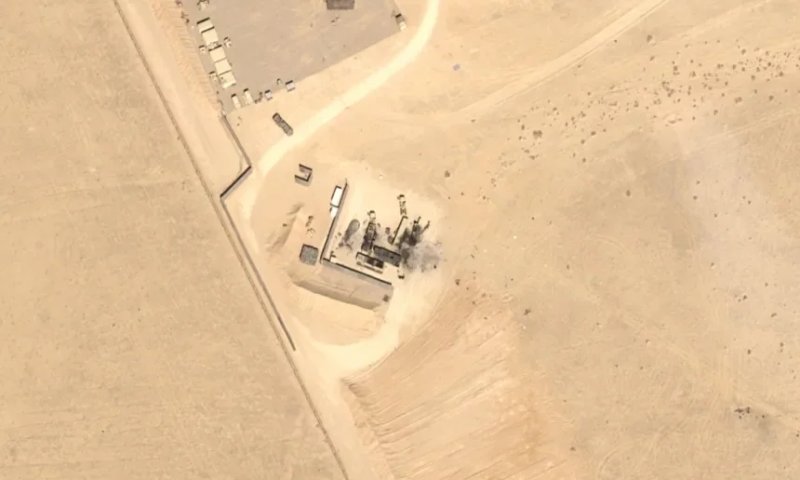
Missile defense technology has advanced significantly since earlier conflicts in the region. During the Gulf War in 1991 early missile defense systems attempted to intercept ballistic missiles launched during the conflict.
Those systems represented a major technological breakthrough at the time but their interception success rates were limited compared with modern technology. Radar capabilities and targeting systems were far less sophisticated.
Today the Jordan air defense system benefits from decades of technological development. Advanced radar sensors can detect missiles shortly after launch while computer guided interceptors can destroy threats traveling at extremely high speeds.
This technological progress explains how the Jordan air defense system was able to intercept dozens of missiles and drones during a single operation.
Military experts say future missile defense systems will continue to evolve as new threats emerge.
Quote From Jordan’s Armed Forces
Following the successful interceptions Jordan’s armed forces issued a statement reaffirming their commitment to defending national airspace.
“ Our armed forces remain ready to intercept any threat approaching our territory and will continue protecting the safety of our citizens. ”
The statement underscored the confidence officials have in the Jordan air defense system after the large scale defensive operation.
Security analysts say public statements such as these also serve to reassure citizens during periods of regional tension.
International Reactions and Security Monitoring
The interception of missiles and drones over Jordan has attracted global attention from governments and security analysts. Several countries are monitoring the situation closely as tensions continue to rise across the region.
Military experts say the performance of the Jordan air defense system demonstrates the effectiveness of modern missile defense networks in preventing attacks from reaching their targets.
Diplomatic observers believe that successful interceptions may help reduce the risk of escalation by preventing attacks from causing widespread damage.
International security cooperation will likely continue to play an important role in strengthening missile defense capabilities throughout the region.
The Night Sky Above Amman Became a Shield
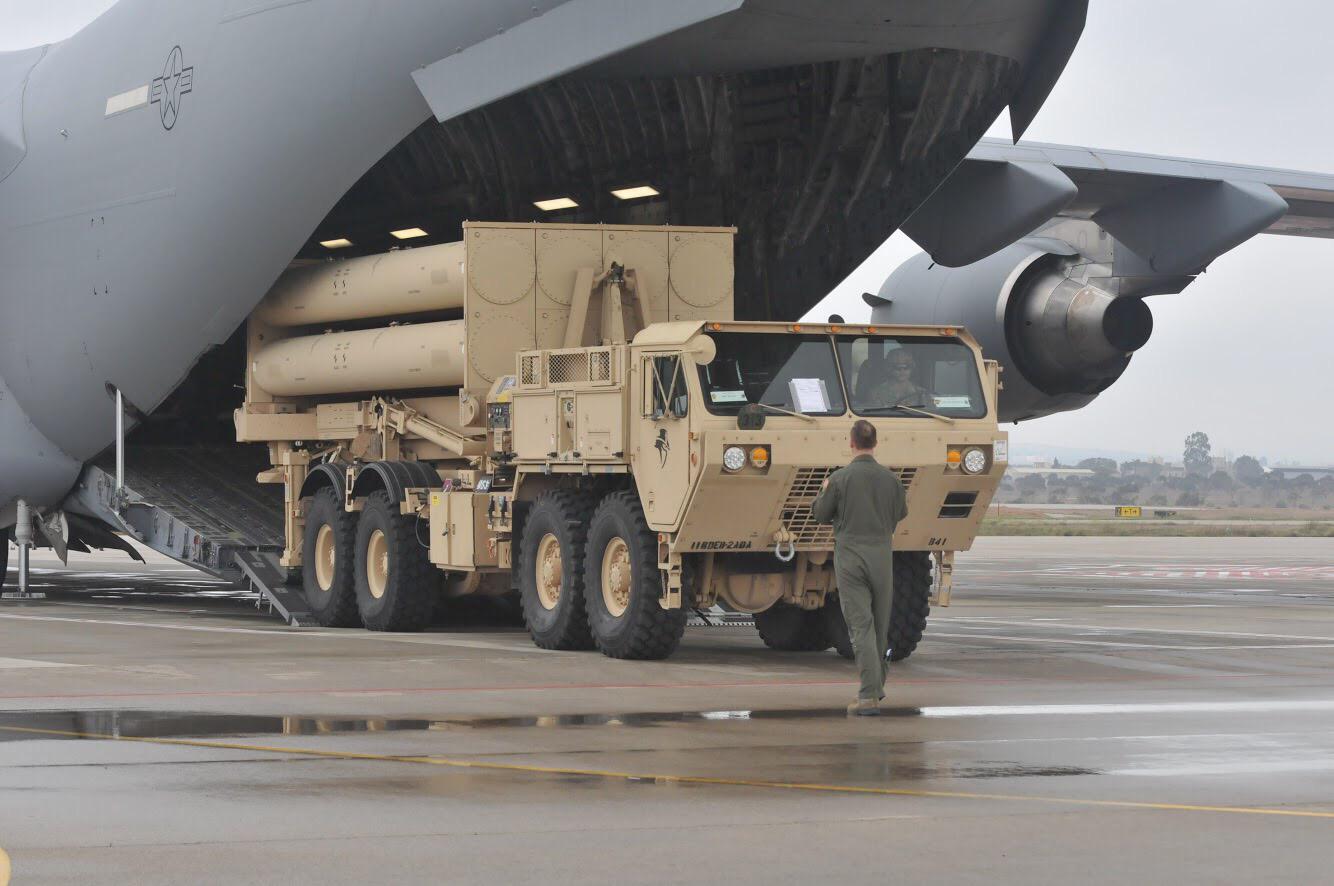
The flashes of interceptor missiles lighting the sky above Amman served as a powerful reminder of how modern defense technology protects cities from distant threats. Residents who witnessed the interceptions saw the Jordan air defense system in action as defense forces neutralized incoming projectiles.
What unfolded above the capital was the result of coordination between radar operators, command centers, and interceptor batteries working together in real time.
For Jordan the operation represents more than a military success. It demonstrates the country’s commitment to safeguarding its citizens and maintaining stability during a period of regional uncertainty.
As tensions continue across the Middle East the Jordan air defense system will remain a critical component of Jordan’s national security strategy, ensuring that the country’s skies remain protected from emerging threats.