
Uber robotaxi expansion gains momentum in San Francisco in 2026.
Autonomous fleets scale as charging infrastructure investment increases.
Regulators and investors watch closely as the mobility shift accelerates.
San Francisco, United States — February 18, 2026 — Brussels Morning Newspaper — Uber robotaxi expansion has entered a pivotal stage in 2026 as the company accelerates autonomous fleet deployment across San Francisco’s busiest transportation corridors. With regulatory clearance expanding and charging infrastructure strengthening, the company is transitioning from pilot testing to structured commercial rollout.
The Uber robotaxi expansion marks one of the most closely watched developments in global mobility technology. Industry observers view San Francisco as a proving ground for long term scalability, given its complex urban layout, high ride demand density, and mature regulatory environment.
City officials, investors, and transportation analysts are closely examining performance metrics, safety compliance standards, and public adoption trends as the rollout advances.
Strategic Infrastructure Investments Power Growth
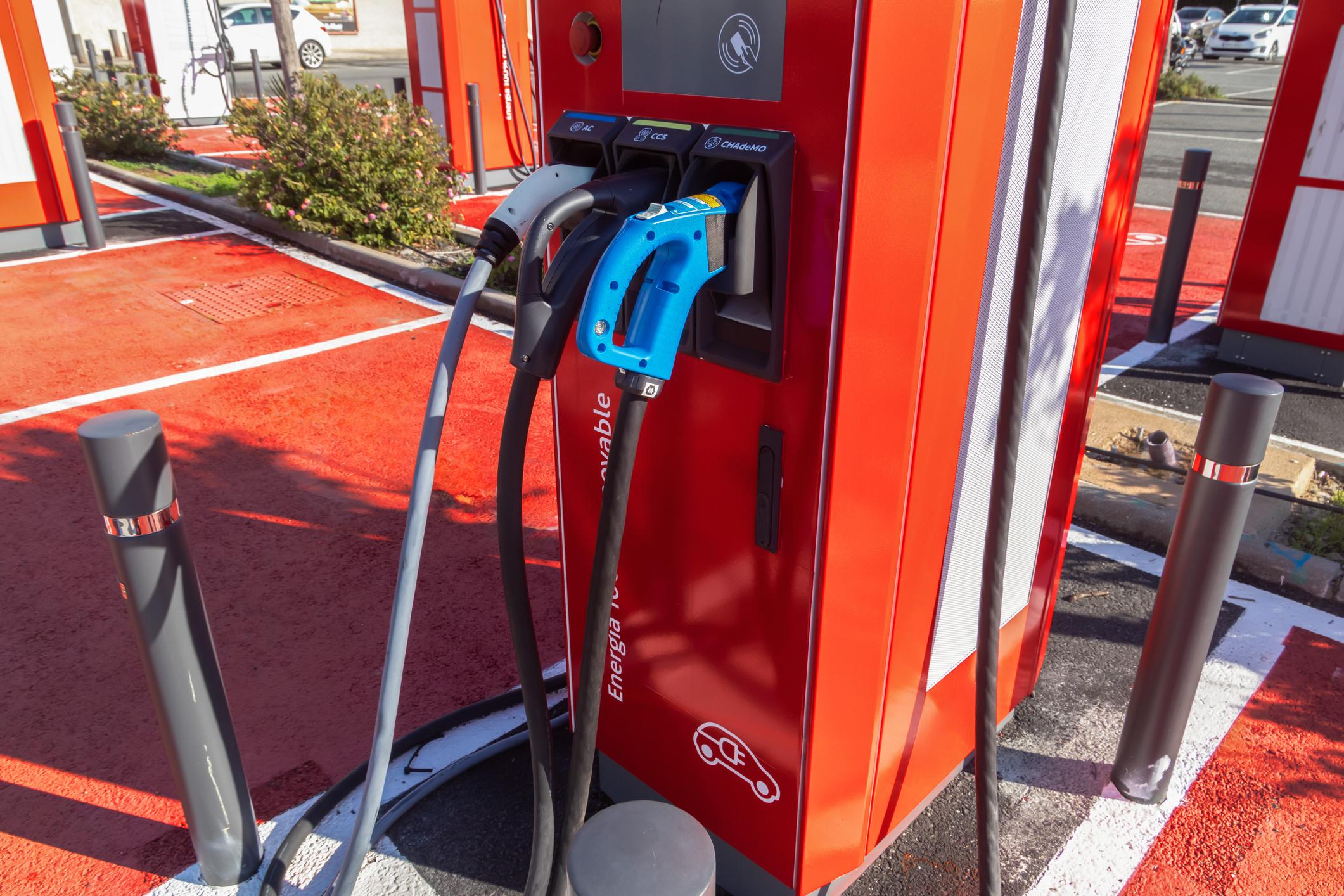
Uber robotaxi expansion depends on more than just vehicle technology. Behind the scenes, substantial capital has been allocated toward high capacity electric charging hubs and digital fleet management systems designed specifically for autonomous operations.
Unlike traditional ride share vehicles, robotaxis operate continuously without driver shift limitations. Efficient charging rotation becomes central to profitability. Charging hubs are strategically located near high demand districts to minimize idle time and maximize vehicle utilization.
Fleet coordination software integrates predictive analytics to anticipate peak ride demand and direct vehicles accordingly. This infrastructure backbone is critical to sustaining Uber robotaxi expansion at scale.
Energy partnerships with local utility providers further strengthen operational resilience by ensuring grid capacity aligns with projected charging requirements.
Financial Markets Assess Long Term Economics
Uber robotaxi expansion has generated considerable attention within financial markets. Analysts are evaluating how autonomous deployment could reshape cost structures in the ride hailing sector.
Traditional ride share economics are heavily influenced by driver compensation. Autonomous fleets introduce new cost variables, including maintenance, software licensing, and energy consumption. However, eliminating driver payouts could significantly alter margin profiles.
Equity analysts highlight fleet utilization rates and operational uptime as key indicators of profitability. While infrastructure investment increases capital expenditure in the near term, long term scalability may deliver efficiency gains.
Institutional investors are closely tracking deployment milestones and operational transparency as indicators of sustainable growth.
Regulatory Framework and Compliance Standards
Uber robotaxi expansion unfolds within a tightly structured regulatory framework in California. State authorities require comprehensive safety documentation, collision data transparency, and ongoing compliance audits.
San Francisco’s municipal government has emphasized public safety and infrastructure coordination. Collaborative engagement between technology developers and regulators remains essential.
Local transportation officials noted that autonomous vehicles must integrate smoothly with existing traffic systems, pedestrian zones, and emergency services.
One city transportation advisor stated,
“Innovation must move at the pace of public safety. Clear oversight ensures that progress benefits the entire community.”
This perspective underscores the balance between technological advancement and responsible deployment.
Public Adoption and Rider Experience
Uber robotaxi expansion is closely tied to consumer perception. Early rider feedback highlights convenience, seamless app integration, and quiet electric performance as notable advantages.
Trust remains central to adoption. Transparent communication regarding safety systems and vehicle monitoring enhances public confidence. Educational outreach programs aim to familiarize residents with autonomous technology.
Surveys indicate growing openness to self driving ride services, particularly among younger demographics accustomed to digital mobility platforms.
As familiarity increases, adoption rates are expected to expand, reinforcing network effects.
Competitive Dynamics in Autonomous Mobility
Uber robotaxi expansion occurs within a competitive landscape that includes automotive manufacturers, artificial intelligence firms, and technology startups.
While some competitors focus on vertically integrated manufacturing models, Uber emphasizes network coordination and platform scale. This asset light strategy reduces exposure to vehicle production risks.
Strategic alliances with autonomous technology developers enable diversified deployment across multiple vehicle platforms. Industry observers note that infrastructure control and platform demand aggregation may prove decisive advantages.
Market competition is expected to intensify as regulatory clarity improves across additional urban markets.
Urban Planning and Environmental Implications
Uber robotaxi expansion could significantly influence city planning. Reduced reliance on privately owned vehicles may reshape parking demand, curb space allocation, and congestion management strategies.
Electrified fleets contribute to lower urban emissions, aligning with municipal climate targets. Charging hubs integrated with renewable energy sources amplify environmental benefits.
However, long term impact depends on deployment scale and integration with public transit networks. City planners are analyzing how autonomous fleets can complement buses, trains, and cycling infrastructure.
Environmental policy experts emphasize that electrification combined with intelligent routing can reduce overall vehicle miles traveled.
Technology Integration and Operational Intelligence
Uber robotaxi expansion relies on advanced sensor arrays, real time mapping systems, and machine learning algorithms capable of processing vast volumes of environmental data.
Cloud based fleet management platforms coordinate vehicle deployment, predictive maintenance scheduling, and performance monitoring.
Data security and privacy protocols remain critical components of system design. Ensuring encrypted communication channels protects both operational integrity and passenger information.
Technology reliability continues to improve through iterative testing and real world feedback loops.
Global Expansion Prospects
Uber robotaxi expansion in San Francisco may serve as a blueprint for international rollout. Cities with established electric vehicle ecosystems and progressive regulatory policies are potential candidates.
However, each market presents unique legal, infrastructural, and cultural variables. Deployment strategies will require localized adaptation.
Global mobility analysts suggest that phased expansion allows companies to refine operations before scaling across diverse urban environments.
International collaboration between policymakers and mobility platforms may accelerate adoption timelines.
Historical Evolution of Autonomous Ride Sharing
Uber robotaxi expansion represents the culmination of more than a decade of autonomous vehicle research and pilot testing. Early experimentation focused on limited route mapping and supervised trials.
Over time, sensor precision, computational power, and artificial intelligence capabilities have advanced significantly. Regulatory frameworks evolved alongside technological maturation.
San Francisco has long served as a testing hub for emerging mobility technologies. The transition from experimental pilots to commercial deployment reflects broader industry progress.
History demonstrates that transformative transportation technologies require sustained investment, regulatory adaptation, and public engagement.
Workforce and Economic Considerations
Uber robotaxi expansion inevitably raises questions about workforce transition. While autonomous fleets reduce reliance on human drivers, new roles emerge in fleet maintenance, software engineering, infrastructure management, and data analytics.
Economic policymakers are exploring strategies to facilitate skill development and workforce adaptation.
Industry representatives emphasize that technology driven shifts often create parallel employment opportunities within adjacent sectors.
Long term labor market outcomes will depend on policy design and private sector collaboration.
Investor Outlook and Industry Confidence
Uber robotaxi expansion signals sustained confidence in the economic viability of autonomous mobility. Capital markets continue supporting research, infrastructure investment, and strategic partnerships.
Venture capital and institutional funding flows into related sectors, including battery technology and smart grid infrastructure.
One mobility sector analyst noted,
“Autonomous fleets are not a concept anymore. They are becoming an operational reality in major cities.”
This perspective highlights growing industry consensus regarding commercialization.
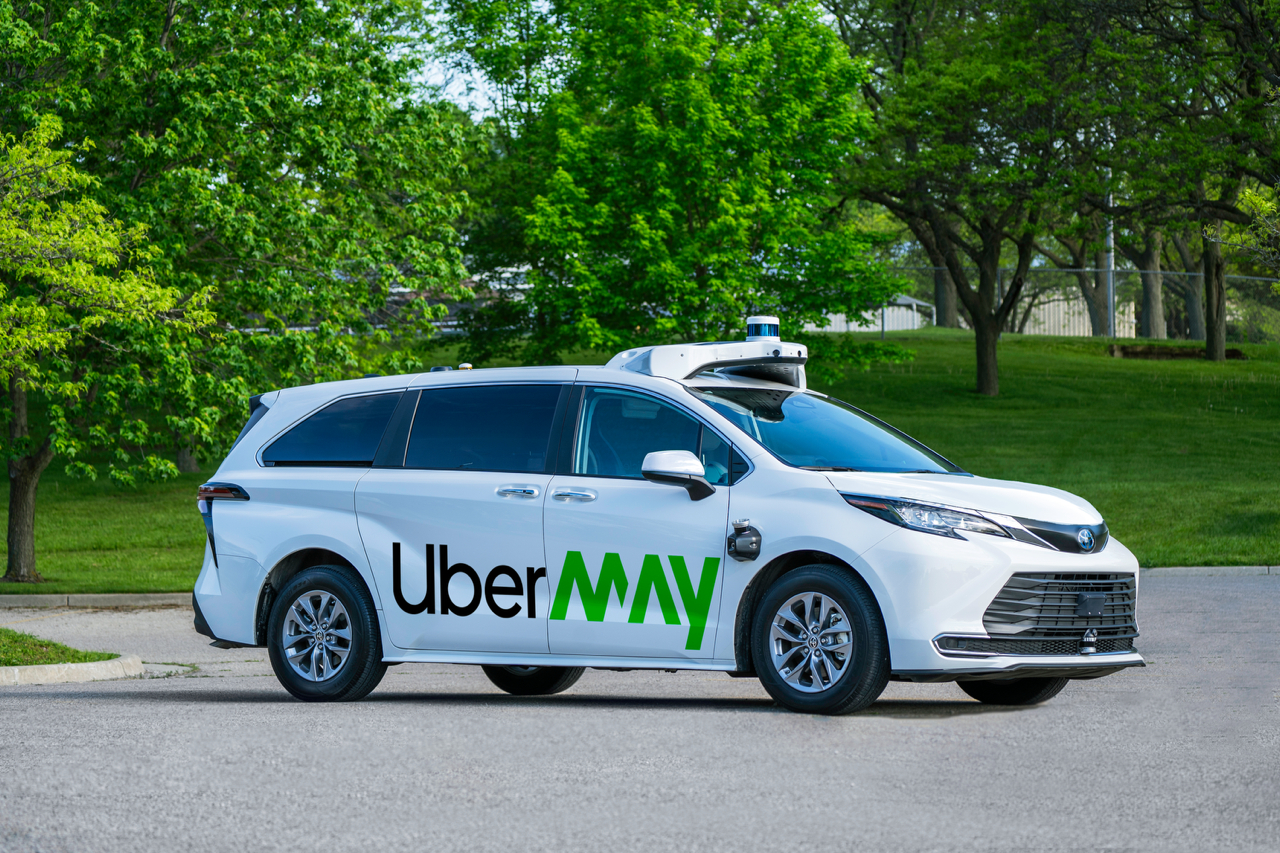
The Autonomous Future Arrives on City Streets
Uber robotaxi expansion in San Francisco during 2026 illustrates a transformative shift in urban transportation. Infrastructure development, regulatory cooperation, and technological reliability collectively enable measured commercialization.
While challenges remain, including policy refinement and public trust cultivation, the trajectory suggests sustained progress.
San Francisco’s streets now serve as a living laboratory for the future of mobility. As autonomous fleets expand responsibly, the integration of technology, sustainability, and economic strategy will shape the next chapter of global transportation innovation.