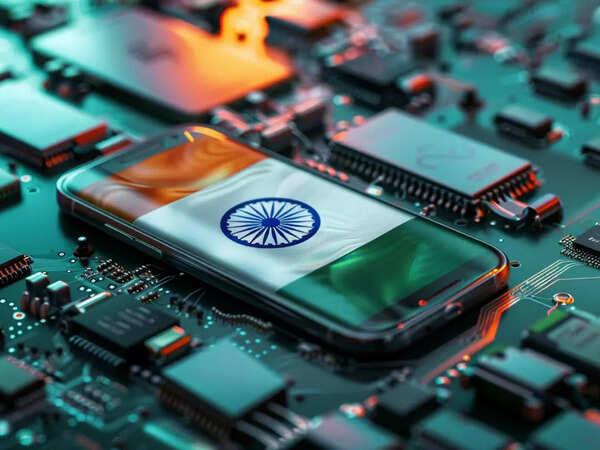
NEW DELHI, India – April 17, 2026 — Brussels Morning Newspaper – India smartphone policy update headlines are drawing national attention after authorities reportedly dropped a proposal that would have required the Aadhaar identity app on new smartphones. The reversal followed criticism from privacy advocates, consumers, and technology industry groups who questioned the need for mandatory pre-installation.
The decision is being seen as an important signal for India’s digital future. While Aadhaar remains one of the country’s most powerful identity systems, the debate showed that users still expect privacy, flexibility, and control over the devices they buy.
One policy watcher said,
“Digital trust grows faster when people choose adoption instead of being forced into it.”
What Was the Smartphone Proposal?
The reported proposal aimed to ensure the Aadhaar app was preloaded on new smartphones sold across India. Supporters believed this would simplify access to identity verification tools, public services, and digital onboarding.
Officials have promoted mobile-based governance for years, seeing smartphones as the fastest way to reach hundreds of millions of citizens. Since Aadhaar is already tied to many daily services, some policymakers believed the next step was to make the app automatically available on devices.
However, the mandatory nature of the idea created immediate backlash.
Why Critics Opposed the Plan
Privacy Questions Increased
Many users worried about what mandatory installation could mean for personal privacy. Even if the app remained optional to use, pre-installing a government-linked platform on private devices raised broader concerns.
Citizens increasingly want to know how apps handle permissions, updates, and data requests. That concern helped fuel resistance.
Industry Pushback
Phone makers and technology companies may have viewed the proposal as another compliance cost. Manufacturers already manage storage limitations, software partnerships, and user interface preferences. Adding required apps can complicate production strategies.
Consumer Choice Matters
Users around the world often complain about preloaded apps they do not want. Many consumers saw the Aadhaar requirement through the same lens: another app chosen for them instead of by them.
Why the Reversal Is Important
This India smartphone policy update matters because it demonstrates that public feedback can still influence major policy decisions in a fast-moving digital economy.
India is one of the largest smartphone markets in the world. Any regulation affecting mobile devices can influence consumers, manufacturers, developers, and global investors. By stepping back, policymakers may be signaling a more flexible approach.
A market analyst said,
“Strong digital systems need public confidence as much as legal authority.”

Aadhaar Still Holds a Major Role
Despite the policy reversal, Aadhaar remains deeply integrated into India’s economy and public systems. It is commonly used for:
- Banking verification
- Telecom registrations
- Benefit distribution
- Tax and identity checks
- Digital onboarding services
The dropped smartphone proposal does not reduce Aadhaar’s importance. It only changes how expansion may happen in the future.
What Could Happen Next?
Voluntary Downloads Instead of Mandates
Authorities may encourage users to install the app voluntarily through convenience and better services rather than compulsion.
Better Privacy Messaging
Officials could focus on transparency, clearer permissions, and trust-building campaigns.
Partnerships With Service Providers
Banks, telecom operators, and payment systems may become more important channels for Aadhaar app adoption.
What This Means for Consumers
For smartphone buyers, the immediate result could be fewer mandatory pre-installed apps on future devices. Many consumers prefer phones with more storage space, less clutter, and more control over software choices.
This could also benefit manufacturers seeking flexibility in pricing, design, and customer experience.
Global Lesson for Digital Governments
Many countries are building national digital identity systems. India’s experience offers an important lesson: convenience alone does not guarantee acceptance. People also want:
- Trust
- Privacy
- Choice
- Transparency
- Fair regulation
That lesson may influence digital policy discussions worldwide.
What Experts Are Saying
“When governments listen to users, technology becomes easier to trust.”
Key Takeaways From India’s Smartphone Policy Reversal
The India smartphone policy update involving the Aadhaar app reversal marks a significant moment in India’s digital governance journey. Authorities appeared ready to require pre-installed identity software, but public and industry pushback changed the direction.
Aadhaar remains central to India’s systems, yet this episode shows future digital growth may depend more on user confidence than mandatory rules. In a modern economy, trust may be the most valuable technology policy of all.