US travel policy moves into a new phase in 2026 as Washington refines border and aviation rules.
Security modernization, visa processing, and airline stability shape federal priorities.
Industry leaders say predictability is essential for economic growth.
WASHINGTON, February 22, 2026 — Brussels Morning Newspaper — In 2026, US travel policy stands at a pivotal moment shaped by evolving security priorities, global mobility demands, and economic recovery pressures. Federal agencies in Washington are recalibrating enforcement, visa systems, airport screening, and international partnerships to balance national protection with the realities of a highly connected world. As summer travel peaks and international arrivals rebound, policymakers emphasize continuity, modernization, and strategic flexibility within US travel policy.
The framework guiding American travel regulations today reflects lessons learned from pandemic disruptions, border surges, and shifting geopolitical alliances. Officials insist that stability and predictability remain central pillars while adapting to emerging risks and technological transformation.
Aviation Security Modernization Accelerates
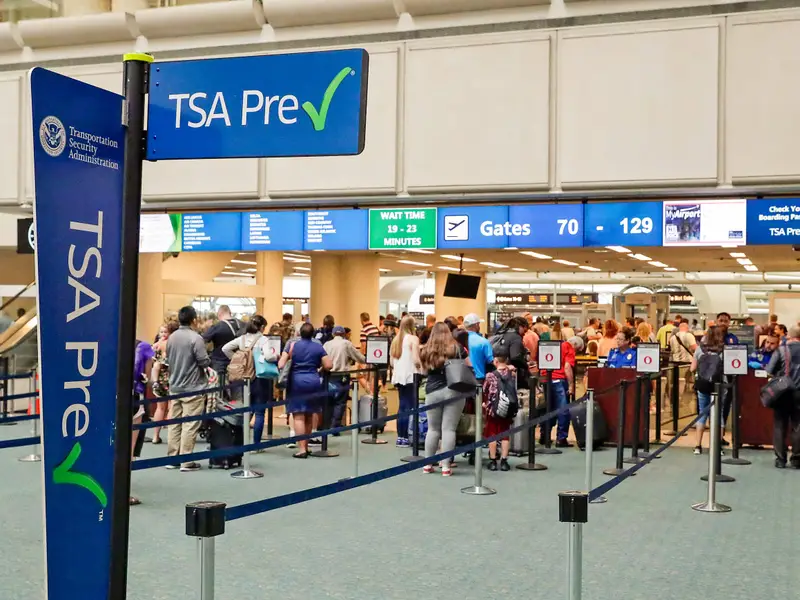
Airport security remains one of the most visible components of US travel policy. In 2026, federal authorities continue upgrading screening systems with biometric identification tools, automated scanning lanes, and enhanced data analytics. These improvements aim to streamline passenger flow while strengthening threat detection capabilities.
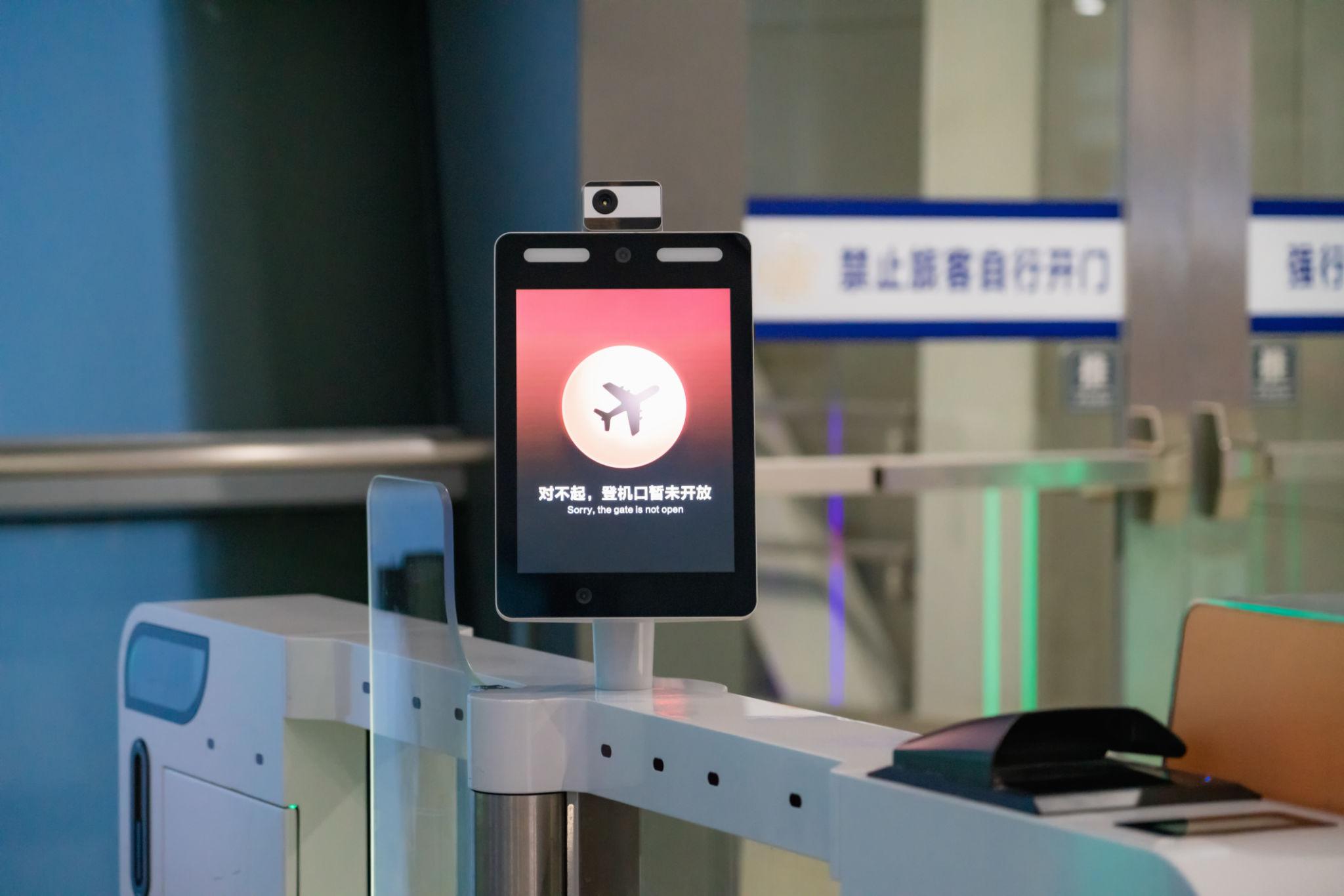
Airlines and airport authorities have welcomed modernization investments. Advanced computed tomography scanners reduce the need for manual inspections. Biometric boarding gates shorten wait times. Risk based screening initiatives remain central to operational efficiency.
A senior Department of Homeland Security official said,
“Security and mobility are not opposing goals. Modern technology allows us to advance both simultaneously.”
The statement reflects the government’s effort to present modernization as both practical and protective.

Border Enforcement and Immigration Coordination
Land and sea border enforcement also define current priorities. Federal agencies coordinate closely with state authorities to manage migration flows and humanitarian considerations. Resources have been expanded at high traffic entry points to reduce bottlenecks.
Visa adjudication processes are being updated through digital platforms to address backlogs that intensified during earlier global disruptions. Officials highlight that streamlined systems support business travel, tourism, and academic exchange without compromising security standards.
International partnerships play a critical role. Bilateral agreements with neighboring countries seek to manage cross border movement while preventing unauthorized entry. These initiatives illustrate the broader balancing act embedded within US travel policy.
Economic Impact on Tourism and Airlines
Travel remains a vital contributor to the national economy. Airlines, hospitality providers, and tourism boards closely monitor regulatory signals from Washington. Industry executives argue that consistent guidelines encourage investment and route expansion.
In 2026, passenger volumes approach or exceed pre pandemic levels in many regions. International travel has rebounded, particularly from Europe and parts of Asia. Airports report increased terminal traffic, prompting infrastructure expansion projects.
Economic analysts observe that regulatory clarity supports airline hiring and fleet modernization decisions. Stability within US travel policy reduces uncertainty for multinational carriers operating across continents.
Visa Processing Reform and Digital Transformation
The State Department has prioritized digital transformation in visa processing. Remote interviews for certain categories, online documentation systems, and automated scheduling platforms aim to reduce delays.
Business communities emphasize the importance of predictable visa timelines for trade and innovation. Universities also monitor international student visa processing as enrollment cycles approach.
Lawmakers stress that security vetting remains rigorous. Technological upgrades are intended to enhance verification rather than weaken standards. Transparency measures have been introduced to improve communication with applicants.
Airport Infrastructure and Capacity Planning
Major airports in cities such as New York, Los Angeles, Chicago, and Atlanta are undergoing infrastructure improvements. Terminal expansions and runway upgrades anticipate rising passenger volumes.
Federal funding packages allocate billions toward modernization initiatives. Authorities highlight that updated facilities reduce congestion and improve traveler experience.
The integration of digital identification systems within airports complements national objectives. These investments reflect long term confidence in sustained travel demand under evolving US travel policy frameworks.
Industry and Advocacy Perspectives
Travel advocacy organizations call for continued collaboration between regulators and private sector stakeholders. Airline associations support predictable screening standards and consistent international entry requirements.
Hospitality groups emphasize the role of tourism in local employment. They advocate for balanced messaging that maintains security without discouraging visitors.
A leading airline executive commented,
“Predictable regulations allow carriers to invest confidently in routes, aircraft, and workforce development.”
His perspective underscores industry reliance on regulatory clarity.
Security Challenges and Risk Assessment
Federal agencies acknowledge that global security threats continue to evolve. Cybersecurity risks, transnational crime networks, and geopolitical tensions require continuous monitoring.
Data sharing agreements with allied nations enhance intelligence coordination. Authorities insist that flexibility remains built into operational protocols.
Critics occasionally argue that increased digitization introduces privacy concerns. Policymakers respond that oversight mechanisms and compliance safeguards are integrated within system upgrades.
Technological Innovation and Biometric Integration
Biometric identification technology plays a growing role in passenger verification. Facial recognition systems expedite boarding and customs clearance processes. Officials emphasize voluntary participation options in many programs.
Technology vendors collaborate with federal agencies to maintain high accuracy standards. Transparency reports detail system performance and error rates.
Integration of artificial intelligence into passenger flow management improves efficiency. These developments align with modernization objectives embedded within US travel policy.
Congressional Oversight and Legislative Debate
Lawmakers continue reviewing funding allocations, enforcement strategies, and international agreements. Congressional hearings examine budget priorities and agency performance metrics.
Debate occasionally emerges regarding resource distribution between border infrastructure and humanitarian support programs. Still, bipartisan acknowledgment exists regarding the economic significance of travel.
Fiscal appropriations bills in 2026 emphasize both security modernization and customer service improvements at entry points.
Public Sentiment and Traveler Confidence
Public opinion surveys indicate strong support for efficient screening combined with effective security measures. Travelers prioritize predictability and clear communication regarding entry requirements.
Airports have invested in improved signage, multilingual assistance, and digital updates to enhance customer experience. Industry analysts note that transparent messaging reinforces traveler confidence.
US travel policy remains closely watched by international partners and global business communities alike.
Historical Evolution of Modern Travel Regulation
The evolution of federal travel regulation stretches back decades. After major security events in the early twenty first century, the United States expanded screening procedures and centralized oversight under the Department of Homeland Security.
Subsequent reforms incorporated technological innovation and risk based assessment models. Pandemic disruptions added new layers involving health screening and travel advisories.
Today’s framework reflects cumulative adjustments. Each era introduced modifications responding to contemporary threats and mobility patterns. Understanding this historical progression provides context for current strategic decisions.
International Diplomacy and Bilateral Coordination
Travel regulations intersect with diplomacy. Visa reciprocity agreements and air service treaties facilitate global connectivity. In 2026, diplomatic engagement focuses on harmonizing digital verification standards.
Global forums discuss data privacy, cross border health protocols, and aviation safety alignment. US travel policy influences and is influenced by these international dialogues.
Cooperation remains essential for managing tourism flows and ensuring compliance with global security norms.
Fiscal Sustainability and Operational Funding
Budget sustainability remains a focal point. Screening modernization, staffing increases, and infrastructure upgrades require sustained funding streams.
User fees, airline contributions, and federal appropriations collectively finance operations. Policymakers evaluate cost effectiveness and revenue stability.
Ensuring fiscal balance without imposing excessive burdens on travelers is a continuing policy challenge.
Forward Outlook for 2027 and Beyond
Looking ahead, federal agencies anticipate continued travel growth driven by economic expansion and global integration. Technological advancements will likely deepen automation within entry and exit systems.
Long term success depends on maintaining trust between authorities, airlines, and the traveling public. Transparent governance and adaptive planning are considered essential pillars.
A Turning Point in Global Mobility Governance
By mid 2026 in Washington, it is clear that US travel policy occupies a defining moment. Security modernization, digital transformation, and economic revival intersect within a single regulatory framework.
Stakeholders across government and industry emphasize that stability underpins progress. While adjustments will continue, foundational structures appear set for sustained operation.
As geopolitical landscapes shift and technology evolves, policymakers remain focused on aligning protection with prosperity. In this evolving chapter of global mobility governance, strategic balance defines the path forward.