
Airport Security Reform Explained
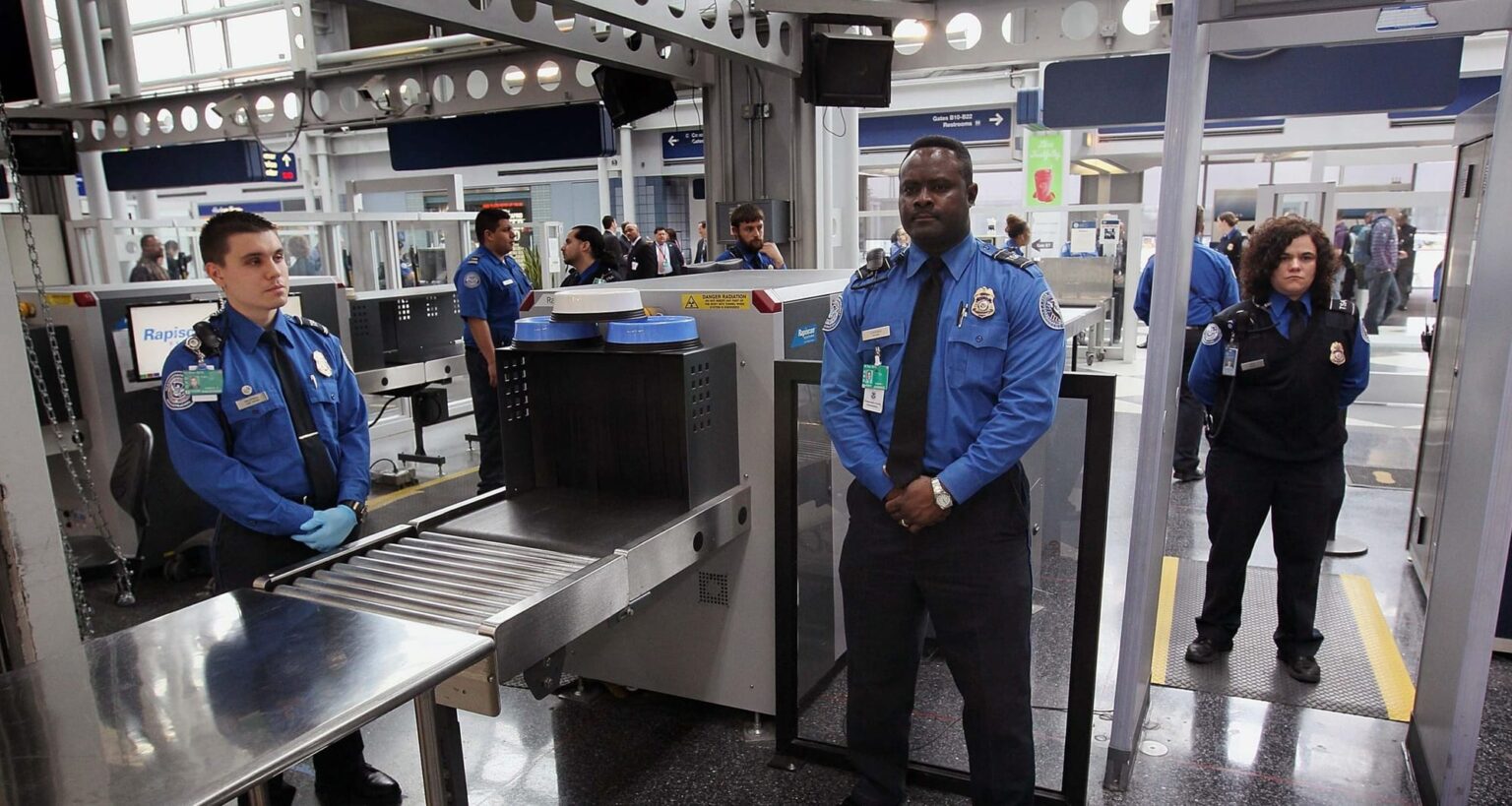
Airport security has long shaped how people experience air travel. For more than two decades, travelers have adapted to strict screening rules, limited access zones, and highly controlled terminals. Today, a new phase is unfolding as governments, aviation authorities, and airports rethink how security is implemented. This shift reflects advances in technology, changes in passenger expectations, and the economic realities facing modern airports.
The goal is not to weaken protections but to modernize them. As global travel volumes increase and airport infrastructure becomes more complex, security systems must evolve. This transformation is now widely referred to as airport security reform, a process that seeks to balance safety, efficiency, and accessibility in a rapidly changing world.
The Origins of Modern Airport Security
Modern airport security frameworks were largely built in response to global threats that reshaped aviation policy in the early 2000s. In that era, uniform rules were introduced quickly, prioritizing risk reduction over convenience. These measures were effective, but they were also rigid.
Over time, aviation security became highly standardized. Passengers followed the same procedures regardless of risk level, airport design, or travel history. While this approach provided consistency, it also created congestion, frustration, and inefficiencies that airports continue to struggle with today.
As technology advanced, it became clear that security could be both strong and adaptable. This realization laid the groundwork for airport security reform as a long-term strategy rather than a temporary adjustment.
Why Airport Security Is Being Reexamined
Several factors are driving change across the aviation industry. Passenger volumes are rising globally, even as airports face staffing shortages and infrastructure limits. At the same time, travelers expect smoother experiences, shorter wait times, and clearer communication.
Security agencies now have access to tools that were not available when current systems were designed. Advanced imaging, biometric verification, and real-time data analysis allow for more precise threat detection. These developments make it possible to screen smarter rather than harder.
Airport security reform is also influenced by economic pressures. Airports rely heavily on non-aeronautical revenue such as dining, retail, and services. Long security lines reduce dwell time and limit spending, directly impacting airport finances.

Technology as the Foundation of Reform
Technology is the backbone of modern security improvements. Automated screening lanes, facial recognition systems, and AI-assisted image analysis are already in use at many major airports. These tools improve accuracy while reducing manual workload.
Biometric identity verification allows travelers to move through checkpoints more quickly while maintaining strong identity controls. Artificial intelligence helps screen baggage with fewer false alarms, allowing officers to focus on genuine risks.
Within this framework, airport security reform prioritizes layered protection. Technology supports human decision-making rather than replacing it. This approach enhances safety while improving flow through security areas.
Improving the Passenger Experience
One of the most visible outcomes of airport security reform is the impact on travelers. Reduced congestion, clearer processes, and more predictable wait times significantly lower stress levels inside terminals.
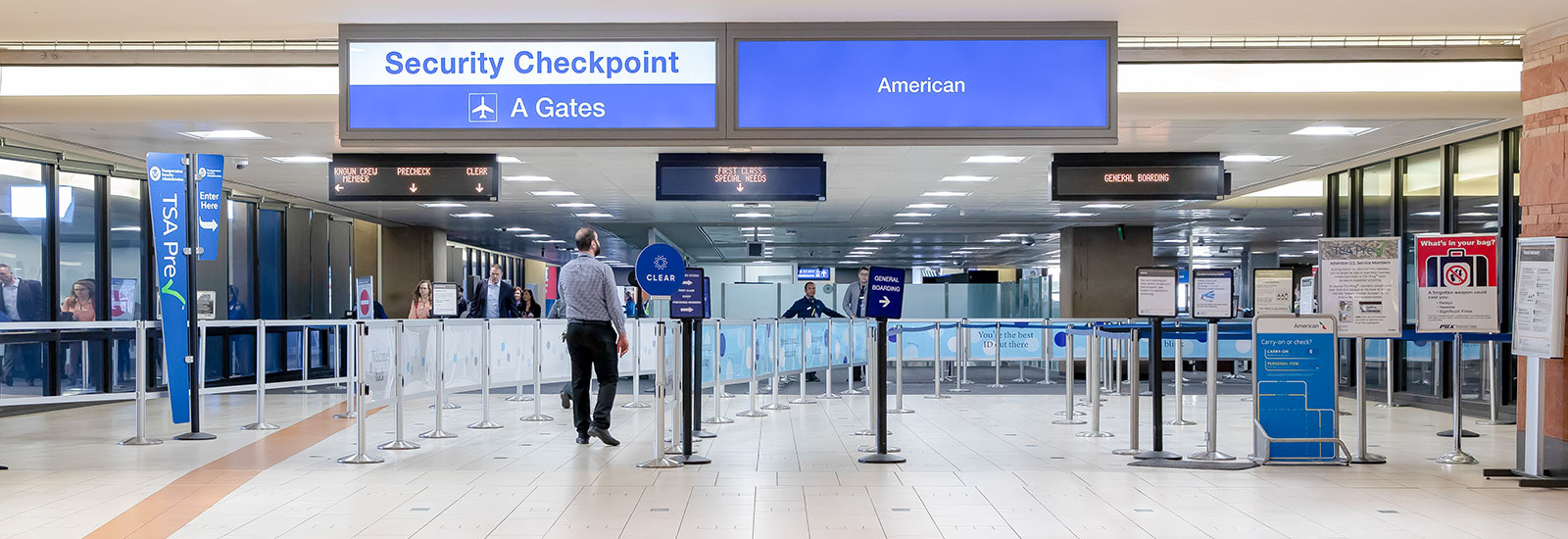
Security checkpoints are being redesigned to feel less intimidating and more intuitive. Open layouts, better lighting, and improved signage help passengers understand what is expected of them. This reduces confusion and speeds up screening.
Families, elderly travelers, and people with disabilities benefit from more flexible procedures. Modern security recognizes that accessibility and safety are not opposing goals but complementary ones.
Workforce Development and Training
Security reform is not limited to machines and infrastructure. It also focuses heavily on people. Security officers now receive expanded training that emphasizes behavioral observation, technology oversight, and communication skills.
By automating repetitive tasks, officers can concentrate on situational awareness and threat assessment. This elevates their role from procedural enforcement to active security management.
Airport security reform also improves job satisfaction by reducing burnout and improving working conditions. A skilled, engaged workforce is a critical component of effective aviation security.
Economic and Operational Benefits
Airports operate as complex ecosystems. Delays at security checkpoints can ripple across the entire operation, affecting flight schedules, staffing, and customer satisfaction.
Modernized security systems allow airports to process more passengers without expanding physical space. This efficiency reduces costs and improves resilience during peak travel periods.
Retailers and restaurants inside terminals benefit from increased foot traffic as passengers spend less time waiting in lines. As a result, airport security reform supports stronger financial performance across the airport ecosystem.
Controlled Access and Policy Flexibility
In some regions, reform has led to limited policy experiments involving controlled access for non-travelers. These programs are tightly regulated and rely on the same screening standards used for passengers.
Such initiatives demonstrate how airport security reform can adapt to modern social and economic needs while maintaining strict safeguards. Access is monitored, time-limited, and subject to immediate suspension if conditions change.
These programs are carefully evaluated before expansion, reinforcing the data-driven nature of modern security planning.
Addressing Public and Privacy Concerns
Any significant change in security policy raises questions about privacy and data protection. Biometric systems and digital credentials must be managed responsibly to maintain public trust.
Security agencies emphasize transparency, clear data usage policies, and strict access controls. Information collected for screening is protected under existing legal frameworks and subject to oversight.
Airport security reform recognizes that trust is as important as technology. Without public confidence, even the most advanced systems cannot succeed.
Global Coordination and Standards
Aviation is inherently international. Security reforms implemented in one country influence practices worldwide. Airports, airlines, and governments collaborate through shared standards and information exchange.
This global coordination ensures that improvements are compatible across borders. Travelers benefit from more consistent experiences, and security agencies benefit from shared intelligence and best practices.
Airport security reform therefore strengthens not only individual airports but the global aviation network as a whole.
Future Trends in Aviation Security
Looking ahead, security processes are expected to become increasingly seamless. Identity verification may occur continuously as passengers move through terminals rather than at fixed checkpoints.
Predictive analytics will help security teams anticipate risks before they materialize. Sustainability will also play a larger role, with digital systems reducing paper use and energy consumption.
Airport security reform is an ongoing process. It evolves as technology advances and travel patterns change.
Challenges That Remain
Despite progress, challenges persist. Technology requires ongoing investment and maintenance. Smaller airports may face budget constraints that slow adoption.
Interoperability between systems remains a concern, particularly across international boundaries. Training programs must keep pace with technological change.
Airport security reform succeeds when innovation is matched with careful planning and realistic implementation timelines.
Why This Transformation Matters
Security shapes how people perceive air travel. Efficient, respectful screening builds confidence and reduces anxiety. Poorly designed systems do the opposite.
By focusing on intelligence, efficiency, and human experience, airport security reform supports safer travel while acknowledging the realities of modern mobility.
This transformation reflects a broader shift toward systems that are resilient, adaptable, and designed around people rather than procedures.
Airport security is no longer defined solely by restriction. It is becoming a dynamic system that integrates technology, human judgment, and data-driven decision-making.
Airport security reform represents a long-term commitment to protecting travelers while improving efficiency and experience. As airports continue to modernize, security will remain strong, but it will also become smarter, faster, and more responsive to the needs of the traveling public.