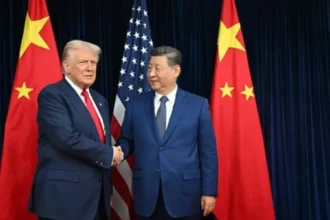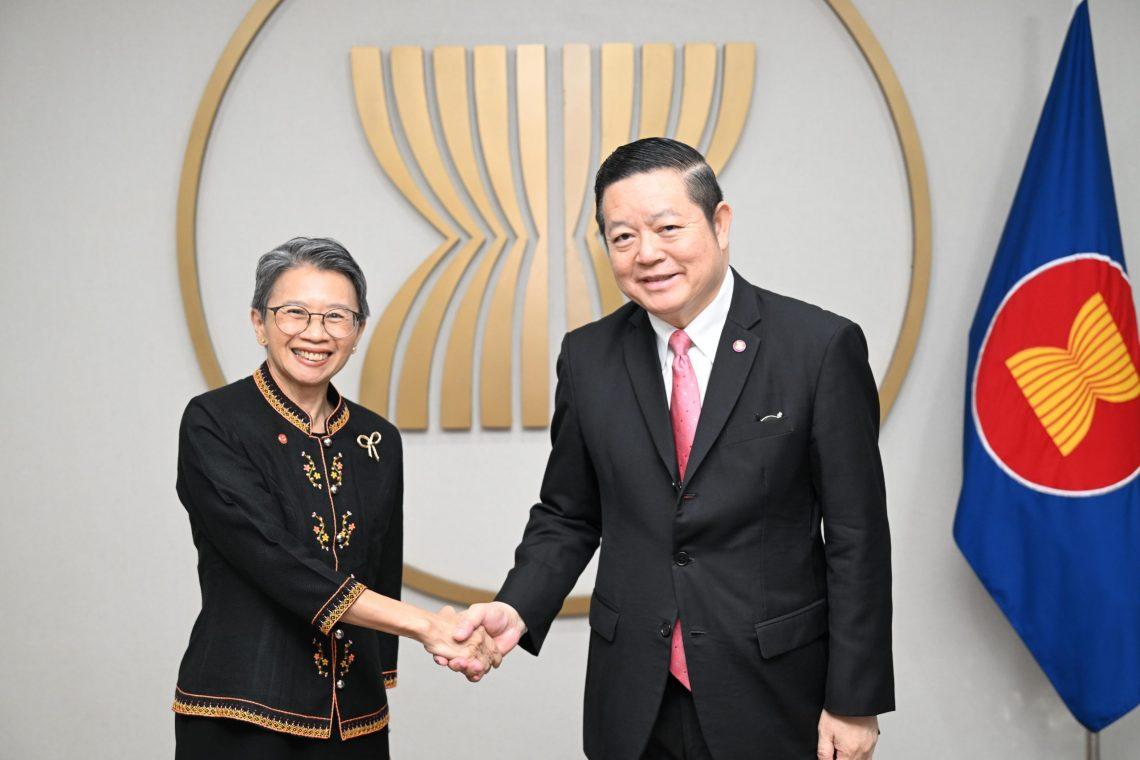
JAKARTA, Indonesia – May 19, 2026 – Brussels Morning Newspaper — Southeast Asia defence tensions moved back into global focus after Indonesia’s defence minister confirmed that a signed letter with the United States did not include any commitment related to military airspace access.
- Indonesia Rejects Assumptions About Military Access
- Why Indonesia Holds Strategic Importance
- US Expands Indo-Pacific Security Cooperation
- ASEAN Nations Attempt to Preserve Neutrality
- China-US Rivalry Continues Reshaping Asia
- Economic Concerns Remain Connected to Security Issues
- Regional Security Risks Continue Growing
- Indonesia Signals Strategic Caution
The clarification comes during a period of increasing geopolitical pressure throughout the Indo-Pacific region, where military partnerships, maritime security, and regional alliances are receiving heightened international attention.
Indonesia’s statement quickly attracted reactions from defence analysts and diplomatic observers because of the country’s strategic location and leadership role in Southeast Asia.
The government emphasized that Jakarta remains committed to an independent foreign policy that protects national sovereignty while maintaining cooperation with global partners.
“Indonesia continues to prioritize stability, sovereignty, and balanced diplomacy,”
a regional security observer said after the announcement.
Indonesia Rejects Assumptions About Military Access
Indonesian officials stated that the signed letter should not be interpreted as approval for operational military airspace access by the United States.
Government representatives explained that the agreement focused on broader cooperation discussions and did not contain binding military obligations.
The clarification became important after speculation spread internationally regarding possible new defence arrangements between Washington and Jakarta.
The issue quickly became linked to broader Southeast Asia defence tensions because military cooperation in the region is increasingly viewed through the lens of global strategic competition.
Indonesia’s leadership has historically avoided policies that could create the perception of siding too closely with any major power.
Officials stressed that the country’s foreign policy remains based on strategic independence and regional stability.
Why Indonesia Holds Strategic Importance
Indonesia occupies one of the world’s most strategically important geographic positions.
The country sits near critical maritime trade routes and controls airspace connected to major shipping corridors used by global economies.
Because of this, decisions involving Indonesia can influence regional trade security, military planning, and diplomatic relations throughout Asia.
As Southeast Asia defence tensions continue rising, Indonesia’s policy choices are being watched closely by governments worldwide.
The United States views Southeast Asia as a critical component of Indo-Pacific security strategy, while China continues expanding economic and strategic influence throughout the region.
Indonesia therefore faces increasing pressure to carefully manage relationships with competing global powers.
US Expands Indo-Pacific Security Cooperation
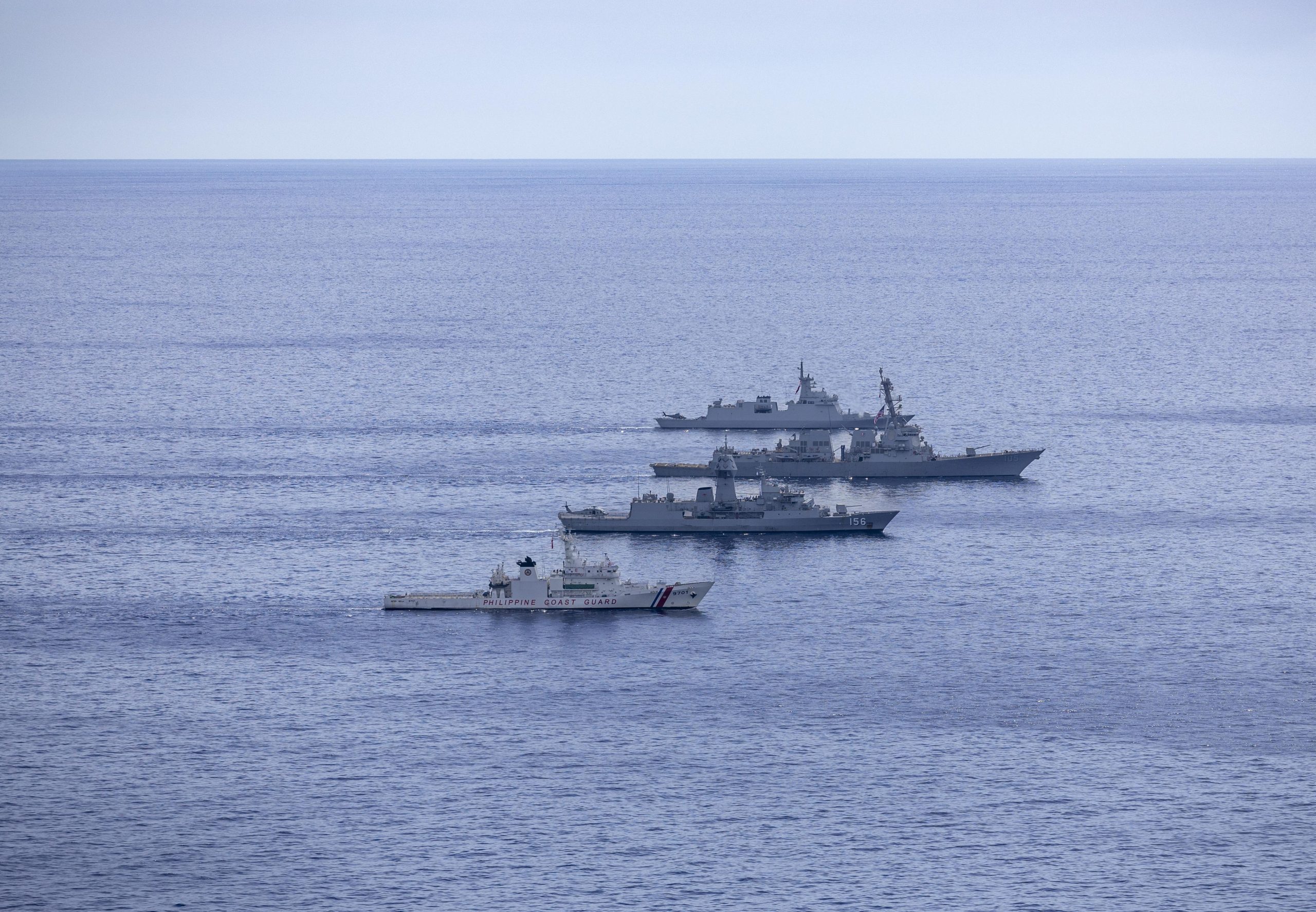
Washington has strengthened defence cooperation across Asia in recent years through military exercises, naval deployments, intelligence partnerships, and security agreements.
Countries including Japan, Australia, the Philippines, and South Korea have become central parts of broader Indo-Pacific defence planning.
The issue involving Indonesia gained international attention because any agreement connected to military access could alter regional strategic calculations.
Analysts say Southeast Asia defence tensions are partly driven by concerns over maritime security, territorial disputes, and freedom of navigation operations.
The United States argues that stronger regional partnerships help maintain stability and open trade routes across Asia-Pacific waters.
However, many Southeast Asian governments continue trying to balance security cooperation with diplomatic neutrality.
ASEAN Nations Attempt to Preserve Neutrality
ASEAN countries have traditionally avoided becoming directly involved in global power rivalries.
Instead, the regional bloc promotes cooperation, dialogue, and economic integration as tools for maintaining peace and stability.
But rising Southeast Asia defence tensions are making neutrality increasingly difficult.
Governments across the region now face growing pressure to strengthen security partnerships while also avoiding actions that could increase military confrontation.
Indonesia’s latest clarification reflects ASEAN’s broader preference for balanced diplomacy rather than military alignment.
Regional experts say many Southeast Asian nations fear becoming trapped between larger geopolitical competitors.
China-US Rivalry Continues Reshaping Asia
Competition between China and the United States remains one of the defining geopolitical stories of 2026.
Both nations are increasing military presence, economic influence, and diplomatic activity throughout the Indo-Pacific region.
This rivalry has intensified discussions around maritime rights, military access, cyber security, and defence cooperation agreements.
As Southeast Asia defence tensions increase, regional governments are attempting to avoid unnecessary escalation while protecting national interests.
Indonesia’s careful language regarding the signed letter demonstrates how sensitive defence diplomacy has become in the current geopolitical climate.
Observers say even minor policy announcements now carry major international implications.
“Every strategic signal matters in today’s Indo-Pacific environment,”
a defence analyst stated.
Economic Concerns Remain Connected to Security Issues
Economic stability remains a major concern for Southeast Asian governments.
Regional leaders understand that military tensions could negatively impact tourism, investment, trade, and manufacturing supply chains.
Indonesia continues positioning itself as a stable economic partner while avoiding policies that might create uncertainty among investors.
The rise in Southeast Asia defence tensions therefore affects not only military planning but also long-term economic strategy.
Global markets closely monitor geopolitical developments in Asia because of the region’s importance to international trade and manufacturing.
Business leaders generally favor diplomatic solutions that reduce uncertainty and preserve regional stability.
Regional Security Risks Continue Growing
Several ongoing regional issues are contributing to rising security concerns throughout Asia.
These include territorial disputes in the South China Sea, military modernization programs, naval deployments, and competition for strategic influence.
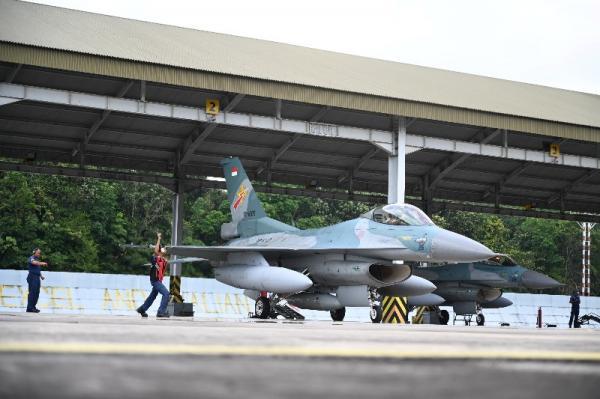
Many governments are increasing defence spending while also participating in broader international military exercises.
Experts believe Southeast Asia defence tensions could continue rising if geopolitical competition intensifies further during 2026.
Indonesia’s decision to publicly clarify its position suggests regional governments are increasingly aware of how defence-related headlines can quickly affect diplomacy and markets.
At the same time, analysts believe cooperation between countries will continue because regional stability remains a shared interest.
Indonesia Signals Strategic Caution
Indonesia’s latest statement appears designed to reassure both domestic and international audiences.
By clarifying that no operational military commitment was made, Jakarta reinforced its image as an independent regional actor.
Analysts say the move allows Indonesia to continue engaging with international partners without appearing to compromise sovereignty.
The discussion surrounding Southeast Asia defence tensions also reflects broader fears that global rivalries could increasingly influence regional decision-making.
Indonesia is expected to continue promoting diplomacy, economic cooperation, and regional dialogue while avoiding actions that could trigger controversy.