Dubai, United Arab Emirates — March 12, 2026. Oil markets around the world moved sharply higher after incidents targeting commercial shipping vessels in the Gulf triggered renewed fears about the security of global energy transportation routes. The situation quickly pushed the headline oil prices surge Gulf attacks into international financial discussions as traders assessed the potential risks to oil supply.
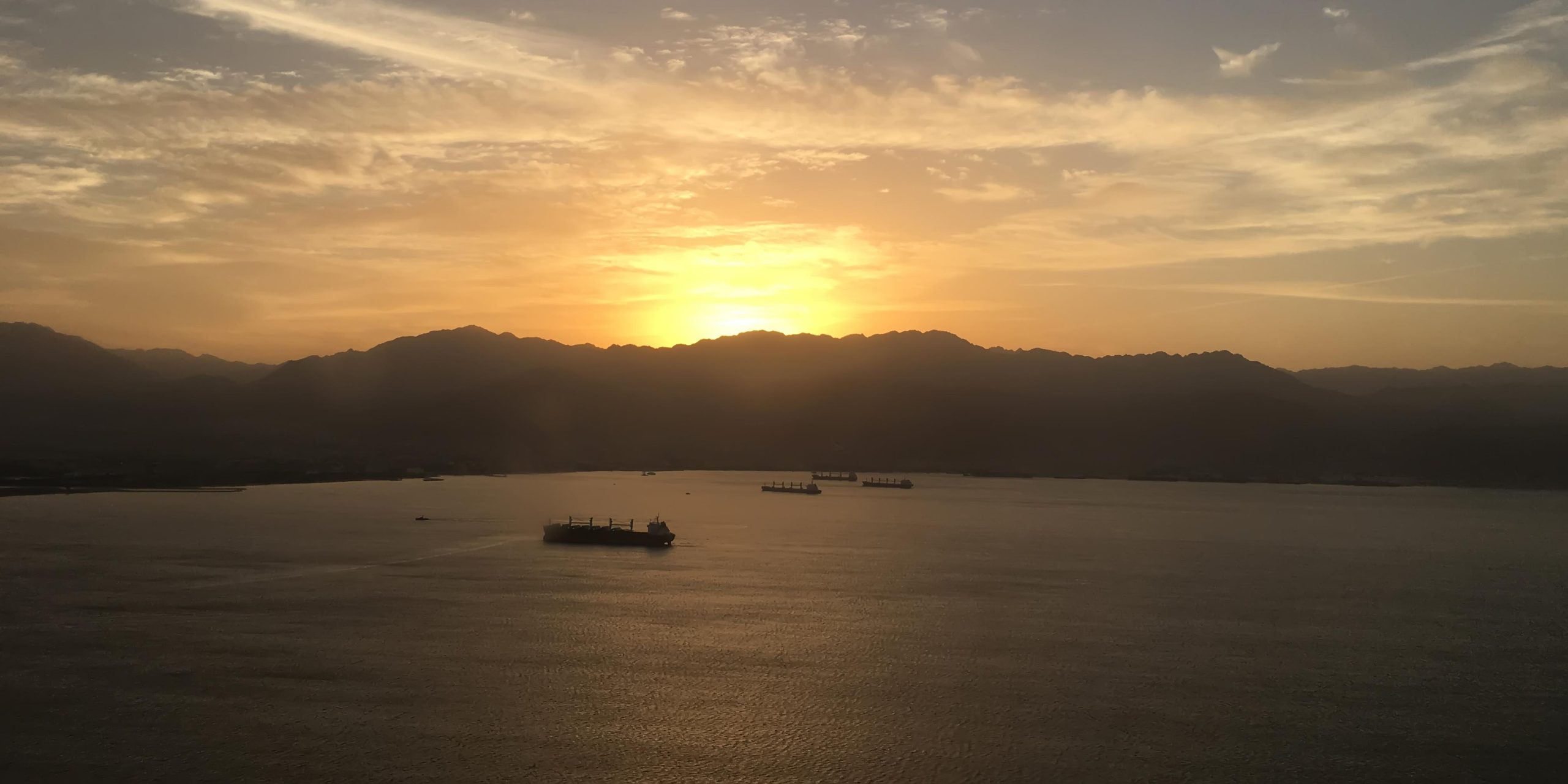
The Gulf region remains one of the most critical gateways for global energy shipments. Tankers leaving ports across the Middle East carry millions of barrels of crude oil each day toward Asia, Europe, and North America. Because so much of the world’s oil passes through the same shipping lanes, even a limited disruption can cause significant price movements in energy markets.
Traders responded immediately as the news spread through global financial centers. Energy contracts rose in early trading sessions, reflecting concerns that tensions in the region could slow tanker traffic or increase the cost of transporting oil.
Why the Gulf Is Central to Global Oil Supply
The phrase oil prices surge Gulf attacks captures the immediate relationship between geopolitical events and energy market behavior. The Gulf sits at the center of the world’s oil export network, linking major producers with the international economy.
Several narrow maritime passages funnel tanker traffic through this region. Because so much energy trade depends on these routes, any perceived threat to shipping security can trigger rapid price reactions.
Energy analysts often describe these shipping corridors as the “arteries of the global energy system.” When those arteries appear vulnerable, the market reacts quickly to protect against potential supply shortages.
Oil traders understand that disruptions in transportation can be just as impactful as disruptions in production. If tankers cannot move safely, oil may remain stranded at export terminals instead of reaching refineries.

Oil Markets Move Higher as Traders React
As global markets digested the news, the phrase oil prices surge Gulf attacks became a dominant headline across financial media. Traders began purchasing oil futures contracts in anticipation of possible supply disruptions.
This behavior is typical during periods of geopolitical instability. Markets tend to move before physical shortages appear because investors attempt to secure supply early.
Energy markets are especially sensitive to geopolitical developments. Even small incidents can create ripple effects across supply chains that stretch from oil fields to refineries and ultimately to consumers.
The price spike reflected both immediate concern and longer term uncertainty. Traders are evaluating whether the incidents represent isolated attacks or a broader escalation.
Shipping Security Becomes a Priority
Governments and international maritime organizations quickly began discussing ways to strengthen security in the region. Naval patrols and surveillance efforts are commonly used during periods of heightened risk to ensure safe passage for commercial vessels.
The concern behind the phrase oil prices surge Gulf attacks goes beyond energy markets. Global trade depends heavily on maritime transportation, and disruptions can affect a wide range of industries.
Shipping companies also face rising insurance premiums when risks increase. These higher costs eventually contribute to higher energy prices for consumers and businesses.
Global Stock Markets Show Caution
While oil markets moved upward, stock markets across several regions showed a more cautious reaction. Investors often worry that rising energy prices will increase production costs and slow economic growth.
Airlines, shipping companies, and manufacturers are particularly sensitive to energy price increases. Fuel represents a major portion of their operating expenses.
When investors see headlines such as oil prices surge Gulf attacks, they often shift funds toward safer assets such as government bonds or precious metals.
This cautious behavior reflects the interconnected nature of the modern global economy.
Diplomatic and Security Responses
International leaders have begun discussing the security implications of the incidents. Protecting energy supply routes is considered essential for global economic stability.
Some countries have increased naval patrols near key shipping corridors, while others are working through diplomatic channels to reduce tensions.
The phrase oil prices surge Gulf attacks therefore reflects both economic and political concerns. Energy security often sits at the center of geopolitical negotiations.
Expert Analysis on Market Volatility
Energy analysts emphasize that markets respond quickly to perceived risk, even if the actual supply disruption remains limited.
One energy market strategist explained the situation clearly.
“When shipping lanes in the Gulf come under threat, oil markets react instantly because so much of the world’s supply depends on those routes.”
This insight helps explain why the headline oil prices surge Gulf attacks spread quickly across financial markets and international news coverage.
Investors understand that geopolitical tensions can quickly escalate, creating uncertainty that drives energy prices higher.
Historical Energy Conflicts and Market Reactions
The market reaction described by oil prices surge Gulf attacks follows a pattern that has appeared several times in modern economic history.
Throughout past decades, conflicts involving tanker routes, pipeline infrastructure, or regional instability in oil producing areas have triggered rapid increases in crude prices.
During these moments, markets often experience short bursts of volatility before stabilizing once shipping routes reopen and supply flows return to normal.
History demonstrates that energy markets respond quickly to perceived threats because the global economy depends heavily on stable oil transportation.
Economic Ripple Effects Beyond Oil
Higher oil prices often influence inflation and economic policy decisions around the world. When fuel costs rise, transportation and production expenses increase across many industries.
Businesses that rely on shipping goods or manufacturing products may face higher operational costs. These expenses often pass through supply chains and eventually reach consumers.
The phrase oil prices surge Gulf attacks therefore signals broader economic implications beyond the energy sector.
Central banks and policymakers frequently monitor oil price movements because they influence inflation trends and economic growth forecasts.
Market Outlook and Future Developments
Investors are now closely watching developments across the Gulf region. Shipping activity, security patrols, and diplomatic negotiations will likely shape market expectations in the coming weeks.
If tensions ease and tanker traffic continues without interruption, oil prices may stabilize. However continued uncertainty could keep markets volatile.
Another market analyst offered perspective on the situation.
“Energy markets are extremely sensitive to geopolitical risk, and even the possibility of disruption can move prices significantly.”
This perspective reinforces why oil prices surge Gulf attacks quickly became a focal point for global financial discussions.
Energy Security in a Connected World
The events surrounding oil prices surge Gulf attacks highlight the vulnerability of global energy supply chains. Oil produced in one region must travel thousands of miles to reach refineries and consumers.
These supply chains depend on secure transportation routes. Any disruption can influence energy prices, trade flows, and economic confidence.
As global demand for energy continues to grow, protecting shipping lanes will remain a critical priority for governments and international organizations.

Why the Gulf Remains the World’s Most Sensitive Energy Corridor
The situation developing in the Gulf illustrates how geopolitical tensions can influence the global economy almost instantly. Markets reacted rapidly because investors recognize the importance of stable energy transportation routes.
The phrase oil prices surge Gulf attacks captures a moment when geopolitical risk, energy supply concerns, and financial market reactions intersect.
While markets have weathered similar shocks in the past, the current events serve as a reminder that the global economy remains deeply connected to the security of a few critical maritime corridors.