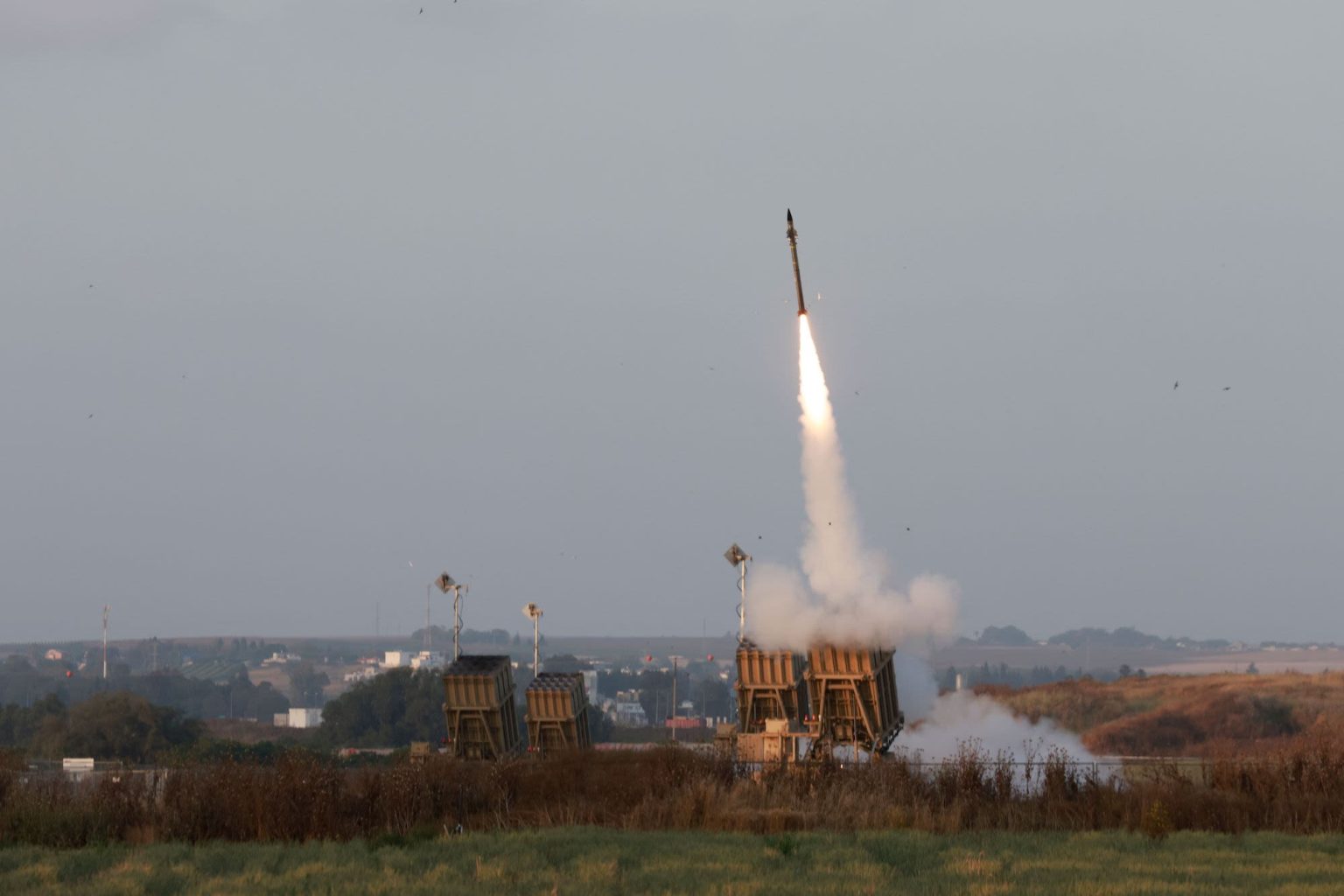
Jerusalem, Israel – March 11, 2026 — Brussels Morning NewsPaper — The Israel defense response intensified after regional missile launches triggered nationwide security alerts and activated advanced air defense systems. Military officials confirmed that interception systems were deployed within seconds after radar detected incoming projectiles, preventing potential damage to populated areas.
Authorities stated that the Israel defense response is designed to protect civilians while maintaining strong military readiness in the face of evolving threats. Emergency sirens sounded in several communities as security forces coordinated defensive measures and monitored possible launch points beyond Israeli territory.
Officials emphasized that the situation remains under constant evaluation as intelligence teams analyze data from radar systems and surveillance networks. While interceptions prevented widespread damage, the latest escalation highlights how rapidly tensions in the region can evolve.
Government leaders reaffirmed that Israel maintains a policy of defending its territory and citizens while working with international partners to prevent further instability.
Rising Security Alerts Across Israel
Communities throughout Israel experienced heightened alert levels as missile defense systems responded to potential threats. Sirens echoed through several towns and cities while emergency services coordinated safety measures for residents.
Authorities urged civilians to follow established safety procedures during alerts, including moving to designated shelters when sirens sound. These protocols are part of a broader national preparedness strategy designed to protect communities during periods of heightened tension.
The Israel defense response includes a coordinated system linking military command centers, radar networks, and local emergency services. This infrastructure allows officials to respond quickly when threats are detected.
Security experts say the rapid activation of these systems demonstrates how the country has developed one of the most advanced civilian defense networks in the world.
Advanced Air Defense Technology
Modern interception systems played a decisive role in the Israel defense response. Radar technology detects incoming projectiles within seconds and relays the information to command centers that determine the appropriate defensive action.
Interceptor missiles are then launched to neutralize incoming threats before they reach populated areas. This layered defense strategy has been refined over years of technological development and operational testing.
Military analysts note that the success of the Israel defense response depends on constant upgrades to these systems. Defense engineers regularly improve radar sensitivity and interception accuracy to counter evolving missile technology.
Experts say these improvements are critical because threats can originate from multiple directions and involve different types of projectiles.
Military Readiness and Strategic Deployment
Following the latest alerts, military commanders increased operational readiness across several branches of the armed forces. Air patrols expanded while surveillance drones monitored regions where missile launches may have originated.
The Israel defense response also included the movement of additional defensive equipment and personnel to strategic locations. These deployments serve as both protective measures and signals of deterrence.
Defense officials explained that maintaining readiness is essential in a region where security situations can change quickly.
Military planning teams continue analyzing intelligence reports to assess potential threats and prepare contingency responses if further attacks occur.

Diplomatic Efforts to Reduce Tensions
While military readiness remains high, diplomatic engagement continues behind the scenes. International leaders have urged restraint and called for dialogue to prevent the situation from escalating into a wider conflict.
The Israel defense response has drawn global attention because it reflects broader geopolitical tensions that affect multiple countries in the region.
Diplomats from several nations are working through established channels to encourage de escalation and maintain stability.
Security analysts believe diplomatic communication can play an important role in preventing localized clashes from expanding into larger regional confrontations.
Civilian Safety and Emergency Coordination
Protecting civilians remains the central focus of the Israel defense response. Emergency response agencies coordinated closely with local authorities to ensure that safety protocols were followed during the alerts.
Hospitals reviewed emergency readiness procedures while municipal services prepared to respond to potential incidents. Schools and public institutions also maintained communication with families to ensure awareness of safety instructions.
Officials emphasized that community preparedness significantly improves public safety during security events. Residents are encouraged to remain informed and follow official guidance issued by emergency authorities.
Public cooperation has long been considered a crucial element of Israel’s national security strategy.
Historical Comparison of Regional Defense Measures
The current Israel defense response reflects decades of experience responding to security challenges in the region. Similar defensive strategies were implemented during earlier conflicts when missile attacks threatened Israeli cities.
In past confrontations, rapid interception capabilities and coordinated civil defense systems proved essential in reducing damage and protecting civilians. These experiences led to significant investment in modern missile defense technology and early warning systems.
Security planners often study earlier conflicts to improve modern defensive strategies. Lessons learned from past crises continue to influence how defense officials prepare for potential threats today.
The historical record demonstrates that effective defensive preparation can significantly reduce the human and economic impact of missile attacks.
Strategic Importance of Regional Stability
The Middle East remains one of the most geopolitically sensitive regions in the world. Security developments in Israel often carry broader implications for global stability, trade routes, and energy markets.
The Israel defense response therefore has significance beyond national security. Analysts say regional tensions can influence international diplomatic relations and economic conditions across multiple continents.
Many governments are closely monitoring developments to understand how the situation might affect broader geopolitical dynamics.
Experts believe maintaining stability in the region is essential not only for local populations but also for global security.
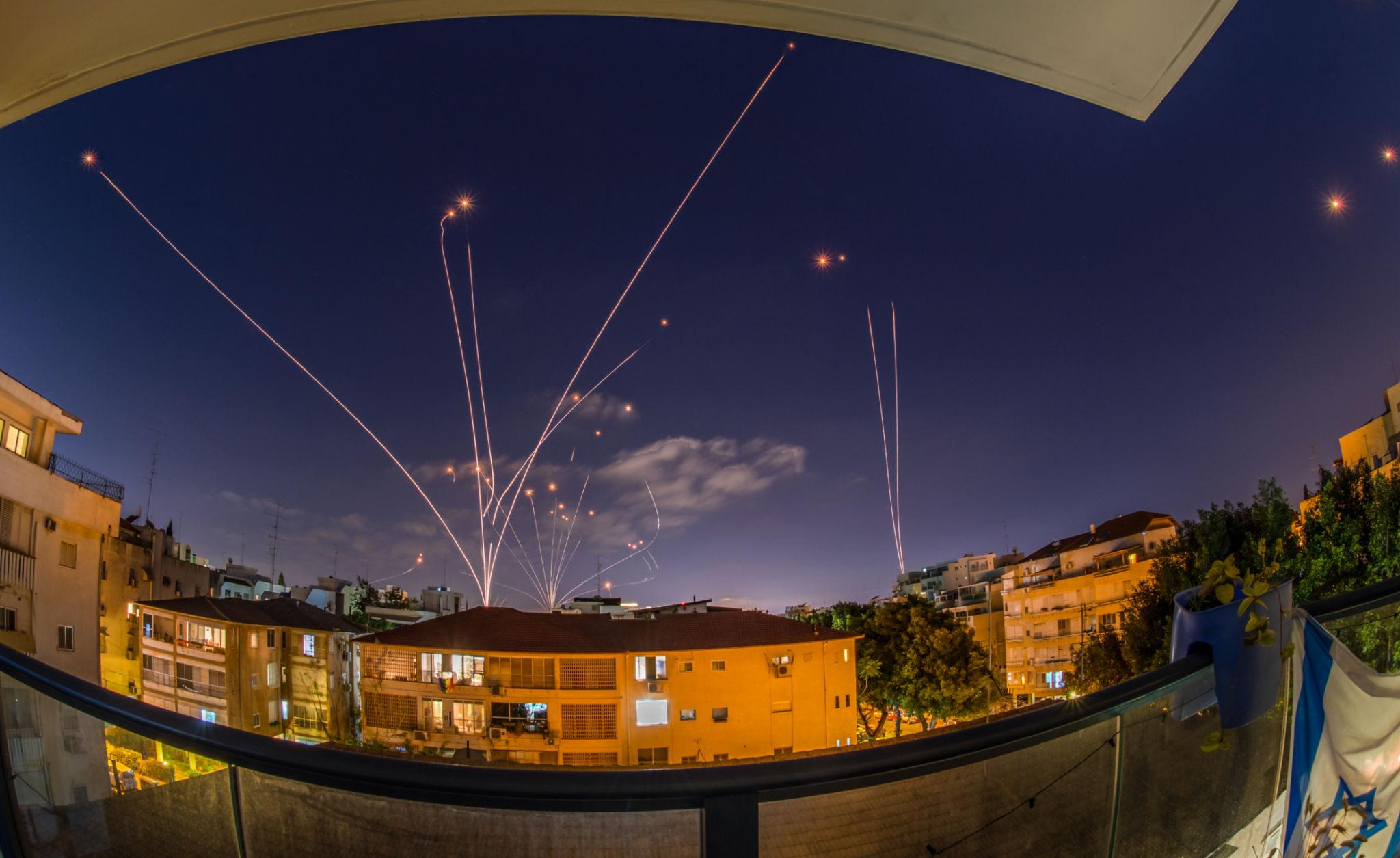
Security Leadership Statement
Officials emphasized that defensive readiness remains a central priority as tensions evolve.
A senior security official explained the guiding principle behind the Israel defense response.
“Every measure we take is focused on protecting our citizens and ensuring that our defense systems respond immediately to any threat that appears.”
The statement highlights the government’s commitment to maintaining strong defensive capabilities while minimizing risks to civilian populations.
Looking Ahead: Regional Stability at a Crossroads
The recent escalation demonstrates how quickly security conditions in the Middle East can shift. Advanced defense systems, strategic planning, and international diplomacy all play roles in managing these challenges.
The Israel defense response will likely continue evolving as military and political leaders evaluate developments and prepare for possible future scenarios.
While defensive technology has significantly improved the ability to intercept threats, long term stability ultimately depends on diplomatic solutions and regional cooperation.
Observers around the world continue monitoring events closely as governments work to prevent further escalation and maintain peace in one of the most complex geopolitical regions on Earth.