DAKAR, Senegal – May 26 – Brussels Morning Newspaper — Senegal IMF talks have become increasingly complicated following the departure of the country’s outspoken prime minister, a political development that has intensified concerns among international investors, financial institutions, and sovereign bondholders.
- Leadership Change Creates New Uncertainty for Economic Negotiations
- Bondholder Concerns Intensify After Political Shift
- IMF Negotiations Remain Critical for Economic Stability
- Senegal Faces Growing Fiscal Pressures
- Political Stability Remains Central to Investor Confidence
- African Debt Markets Under Increased Global Scrutiny
- Energy and Infrastructure Projects Could Be Affected
- Historical Context of Senegal’s Economic Reform Efforts
- Senegal Economic Reform Timeline
- International Investors Seek Policy Clarity
- Regional Stability Could Influence Broader Market Sentiment
- Senegal IMF Talks Enter a More Sensitive Phase
Analysts warn that the leadership transition could delay ongoing negotiations with the International Monetary Fund while increasing uncertainty surrounding economic reforms, fiscal management, and debt restructuring efforts.
The latest political shift arrives at a sensitive time for Senegal’s economy as the country attempts to stabilize public finances, attract foreign investment, and maintain confidence in international credit markets.
“Political stability and economic credibility remain closely connected in emerging markets,”
a regional economist said following the announcement.
Leadership Change Creates New Uncertainty for Economic Negotiations
The resignation and departure of the prime minister immediately raised questions regarding the future direction of Senegal IMF talks. Financial analysts believe leadership changes during sensitive negotiations can slow reform implementation and complicate communication with international lenders.
The former prime minister had become known for his strong rhetoric, reform-focused messaging, and vocal positions regarding Senegal’s economic sovereignty. His departure now leaves uncertainty surrounding policy continuity and future negotiations with external financial institutions.
Investors are closely monitoring whether the administration will maintain existing fiscal reform commitments or pursue alternative economic strategies that could impact debt sustainability.
Several international market observers noted that political transitions often increase short-term volatility in emerging market economies, especially when negotiations with multilateral institutions remain unresolved.
Bondholder Concerns Intensify After Political Shift
The biggest immediate impact of the latest development may be felt in sovereign debt markets. Bondholders are increasingly evaluating whether Senegal can maintain fiscal discipline and economic reforms necessary to preserve market confidence.
The Senegal IMF talks are considered important because IMF-backed agreements often help stabilize investor sentiment and reassure creditors about a country’s financial direction.
Without a clear roadmap, investors may demand higher borrowing costs to compensate for perceived political and economic risks.
Financial analysts say concerns now include:
- Delays in reform implementation
- Uncertainty regarding debt management
- Currency stability risks
- Potential spending increases
- Slower economic growth projections
- Credit rating pressure
International bond markets tend to react quickly to signs of policy instability, particularly in developing economies dependent on external financing.
IMF Negotiations Remain Critical for Economic Stability
Senegal IMF talks are viewed as essential for maintaining broader economic stability during a period of rising fiscal pressure across several African economies.
The IMF typically requires governments seeking financial support to implement measures focused on:
- Budget discipline
- Debt sustainability
- Revenue collection improvements
- Public sector efficiency
- Economic transparency
- Structural reforms
Supporters argue that IMF programs help countries stabilize finances and attract international investment. Critics, however, often claim such measures can create social and political pressure due to spending reductions or subsidy reforms.
The political transition now raises concerns over whether negotiations may slow while new leadership priorities emerge.
“Markets want predictability more than perfection,”
a global debt strategist explained.
“Uncertainty is what creates the greatest concern for investors.”
Senegal Faces Growing Fiscal Pressures
Senegal’s economy has faced mounting pressure from rising global borrowing costs, inflation challenges, infrastructure spending demands, and external debt obligations.
Although the country remains one of West Africa’s more diversified economies, policymakers continue balancing economic development goals with fiscal sustainability concerns.
Government spending linked to infrastructure, energy, transportation, and social support programs has increased over recent years, placing additional strain on public finances.
Analysts believe the success of Senegal IMF talks may significantly influence:
- Future foreign investment flows
- Credit market access
- Currency stability
- International financing costs
- Long-term growth projections
International lenders and rating agencies are expected to continue monitoring fiscal developments closely throughout 2026.
Political Stability Remains Central to Investor Confidence
Political transitions in emerging markets frequently influence financial market sentiment because investors closely associate leadership stability with economic continuity.
The departure of a high-profile political figure can create uncertainty even if broader government structures remain intact.
Several regional analysts noted that Senegal has historically maintained a reputation for relative political stability compared with some neighboring countries. Preserving that reputation may now become increasingly important as global investors reassess risk exposure across African markets.
The Senegal IMF talks therefore represent more than simple financial negotiations. They also serve as an indicator of institutional credibility and economic governance.
African Debt Markets Under Increased Global Scrutiny
The developments in Senegal are occurring during a broader period of heightened attention toward African sovereign debt markets.
Global investors have become more cautious following rising debt servicing costs, currency fluctuations, and tighter international financial conditions affecting several developing economies.
Countries across Africa continue facing challenges related to:
- Higher global interest rates
- Commodity market volatility
- Inflation pressures
- Infrastructure financing needs
- Currency depreciation risks
In this environment, IMF agreements often become important tools for restoring investor confidence and maintaining financial market access.
Analysts warn that any prolonged uncertainty surrounding Senegal IMF talks could increase pressure on regional bond markets more broadly.
Energy and Infrastructure Projects Could Be Affected
Senegal’s long-term economic outlook remains closely tied to major infrastructure and energy development projects expected to support future growth.
The country has invested heavily in transportation modernization, urban development, and energy expansion initiatives aimed at strengthening economic competitiveness.
However, delays in IMF negotiations or rising financing costs could complicate funding for large-scale public projects.
Some analysts believe investor caution may temporarily slow capital inflows until greater clarity emerges regarding the country’s economic policy direction.
At the same time, Senegal’s strategic position in West Africa and its growing energy sector continue attracting long-term international interest.
Historical Context of Senegal’s Economic Reform Efforts
Senegal Economic Reform Timeline
| Year | Major Development | Economic Impact |
|---|---|---|
| 2014 | Infrastructure modernization accelerated | Increased public investment |
| 2018 | Debt concerns expanded across emerging markets | Borrowing costs increased |
| 2020 | Pandemic disrupted global economies | Fiscal deficits widened |
| 2023 | IMF discussions intensified | Reform negotiations expanded |
| 2026 | PM departure complicates IMF talks | Bondholder concerns rise |
The latest developments reflect broader global economic pressures affecting many developing nations attempting to balance growth ambitions with fiscal sustainability.
International Investors Seek Policy Clarity
International investment firms continue evaluating how Senegal’s leadership transition may influence future economic strategy.
Bondholders and financial institutions generally prioritize consistency in:
- Fiscal policy
- Debt repayment commitments
- Central bank coordination
- Transparency measures
- Economic reform implementation
Several analysts believe market volatility may remain elevated until government officials provide additional guidance regarding IMF negotiations and future economic priorities.
Despite current concerns, some experts argue Senegal still maintains several long-term economic strengths, including demographic growth, strategic regional importance, and infrastructure expansion potential.
Regional Stability Could Influence Broader Market Sentiment
Developments surrounding Senegal IMF talks are also being watched closely throughout West Africa because regional economic trends often influence neighboring markets.
International lenders and investors increasingly assess regional political stability when determining broader investment exposure.
Economic disruptions or policy uncertainty in one market can sometimes influence investor sentiment toward nearby economies with similar risk profiles.
As a result, Senegal’s negotiations with the IMF may carry implications extending beyond national borders.
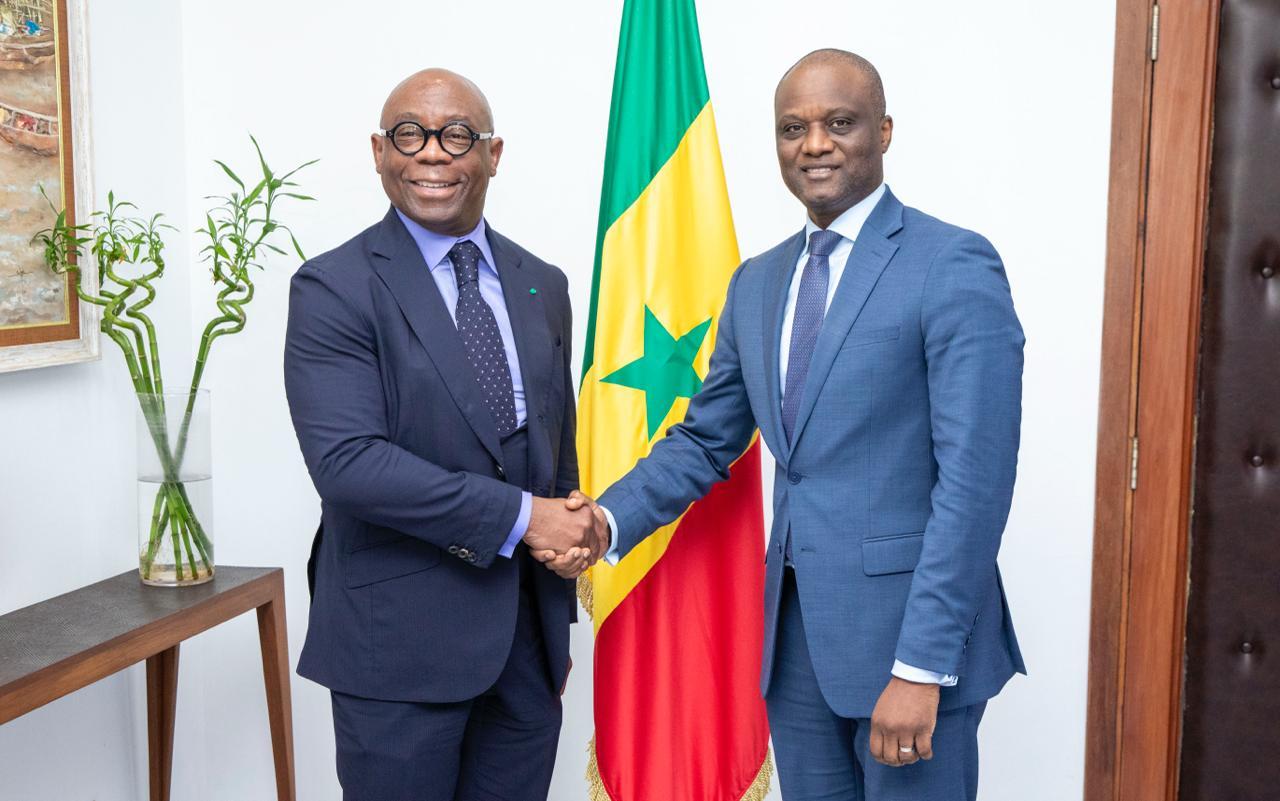
Senegal IMF Talks Enter a More Sensitive Phase
The departure of Senegal’s firebrand prime minister has added a new layer of uncertainty to already sensitive IMF negotiations. Investors, bondholders, and international financial institutions are now closely monitoring whether the government can maintain fiscal discipline and reform momentum during a period of political transition.
The outcome of Senegal IMF talks will likely influence borrowing costs, investor confidence, and economic growth expectations throughout 2026 and beyond.
While Senegal continues benefiting from strong regional importance and long-term development potential, market participants are expected to remain cautious until clearer policy direction and negotiation progress emerge.
The situation highlights how political stability, financial credibility, and economic reform remain deeply interconnected in today’s global financial environment.