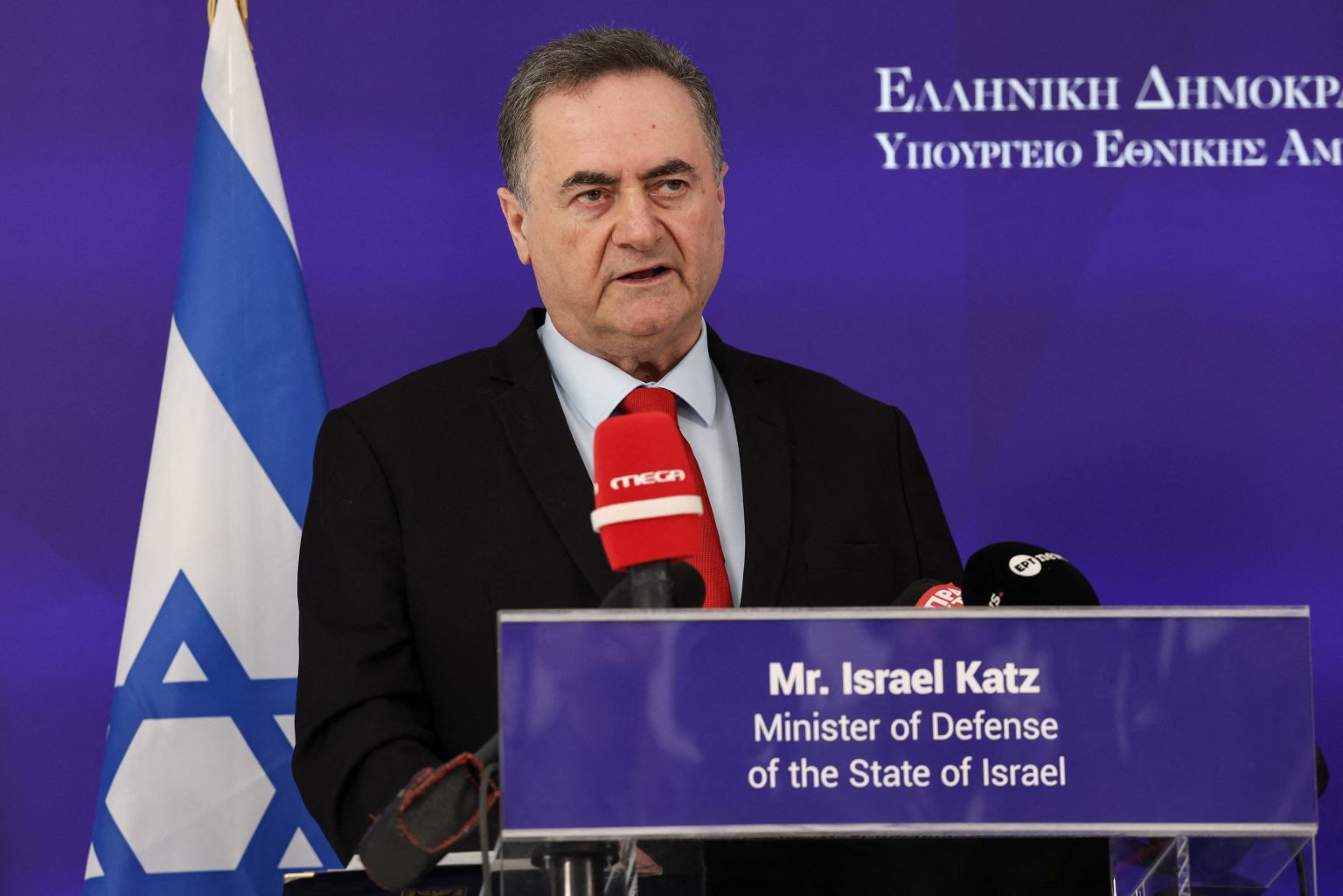
Jerusalem, Israel – March 11, 2026 — According to developments followed by Brussels Morning Newspaper style international coverage, Israel’s defense minister signaled that the ongoing confrontation with Iran may continue indefinitely, stating that there is effectively Israel Iran war no time limit as military operations evolve across multiple fronts in the Middle East.
The statement immediately captured global attention because it suggests a prolonged strategic confrontation rather than a limited military operation. Analysts say the announcement reflects Israel’s determination to counter Iranian military influence and nuclear ambitions while maintaining pressure on regional networks aligned with Tehran.
The declaration also raised concerns among international diplomats who fear that a conflict without a defined timeline could reshape the security landscape of the Middle East.
Israeli Defense Strategy Signals Long Term Military Posture
Israel’s leadership has increasingly framed the confrontation with Iran as a long term strategic challenge rather than a traditional war. By emphasizing that there is Israel Iran war no time limit, Israeli officials indicate that operations will continue as long as perceived threats remain active.
Military planners say the approach allows Israel to maintain flexibility while responding quickly to intelligence developments. The strategy includes intelligence operations, cyber monitoring, and precision strikes against targets believed to support Iran’s military capabilities.
One Israeli security official stated:
“We will act for as long as necessary to protect our citizens and prevent threats from growing.”
The message reflects Israel’s broader defense philosophy that emphasizes proactive security measures.
Regional Tensions Rise Across the Middle East
The announcement that there is Israel Iran war no time limit has intensified diplomatic discussions across the region. Governments in neighboring countries are closely monitoring developments as the rivalry between Israel and Iran continues to influence regional stability.
Several Middle Eastern nations have expressed concern that prolonged tensions could increase the risk of broader conflict involving proxy groups and allied forces. Regional analysts say the situation remains delicate because multiple countries maintain competing strategic interests.
One regional diplomat explained:
“The region has experienced cycles of escalation before, but the language being used now suggests that this confrontation could last much longer.”
These concerns highlight the complexity of geopolitical dynamics in the Middle East.
Military Technology and Intelligence Operations
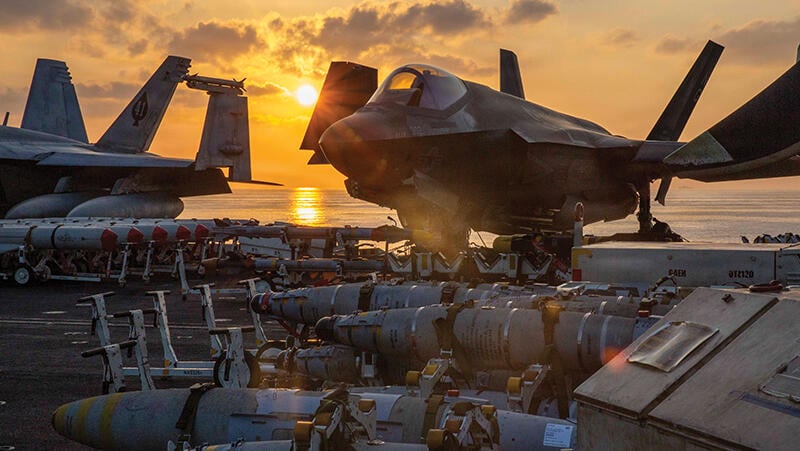
Israel’s defense strategy increasingly relies on advanced technology to address the challenges associated with Israel Iran war no time limit. Modern intelligence systems allow Israeli forces to monitor threats and respond quickly when necessary.
Military analysts say surveillance technology, missile defense networks, and cyber capabilities play a critical role in maintaining Israel’s strategic advantage.
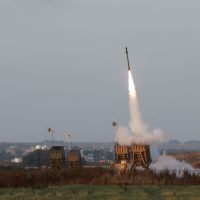
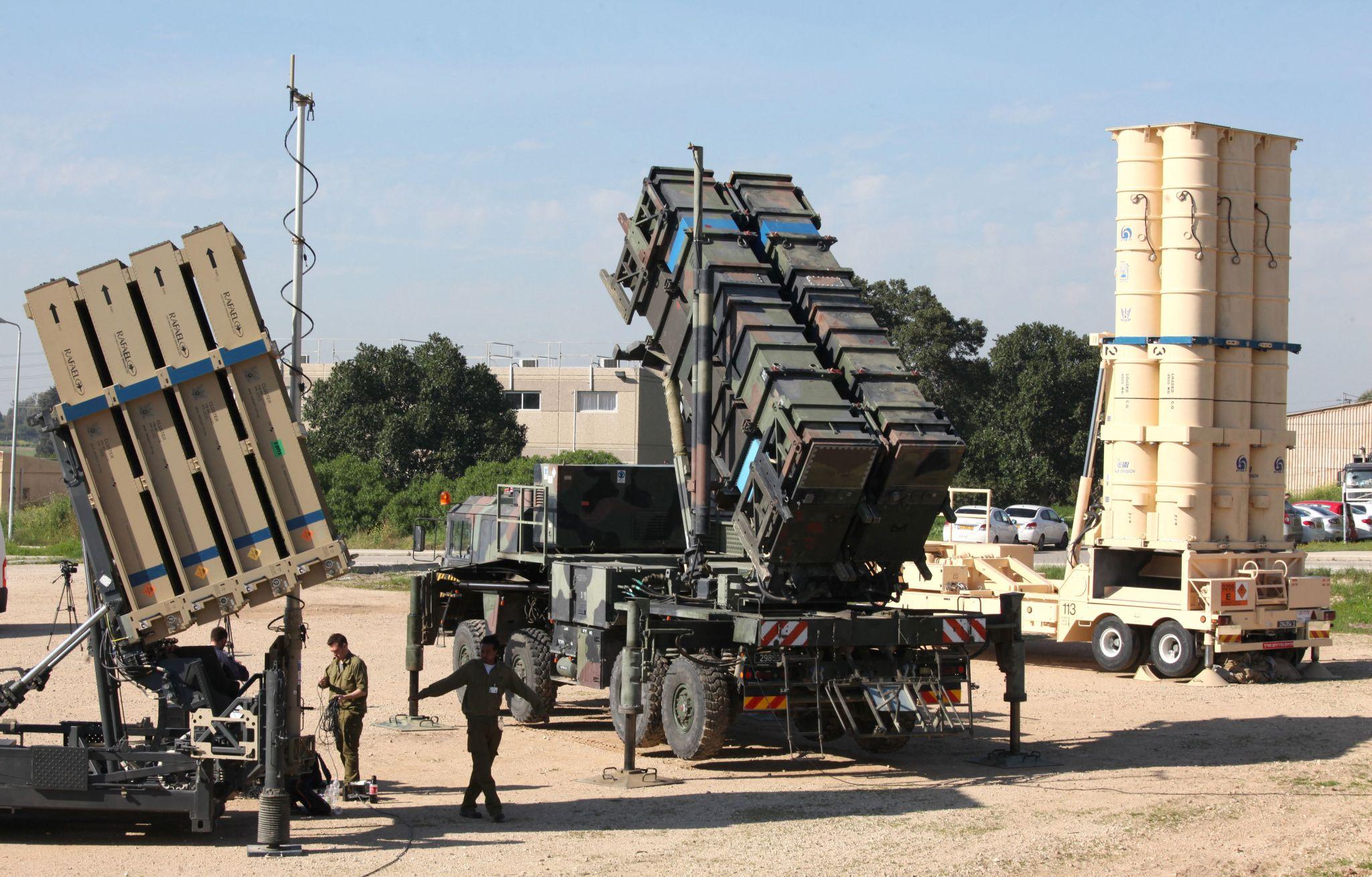
The country’s multilayered missile defense systems are designed to intercept rockets and ballistic missiles before they reach population centers. These systems have become a cornerstone of Israel’s national security infrastructure.
Experts say technological innovation will continue shaping how conflicts are managed in the region.
Global Diplomatic Responses
International leaders have responded cautiously to the declaration that there is Israel Iran war no time limit. Several governments have urged both sides to avoid escalation while emphasizing the importance of diplomacy.
Global powers continue engaging in diplomatic discussions aimed at reducing tensions and preventing broader conflict. However, long standing geopolitical rivalries often complicate efforts to reach lasting agreements.
A European policy analyst said:
“The international community understands the risks of escalation, but finding common ground between rival powers remains extremely difficult.”
Diplomatic initiatives may continue in the coming months as world leaders attempt to stabilize the situation.
Economic and Energy Market Concerns
Energy markets have reacted cautiously to developments connected to Israel Iran war no time limit. The Middle East plays a central role in global oil production, and any prolonged conflict in the region can influence energy prices.
Market analysts say investors often respond quickly to geopolitical developments because disruptions to energy infrastructure or shipping routes could impact global supply chains.
So far, energy markets remain relatively stable, though traders continue monitoring developments closely. Economic experts believe that prolonged tensions could eventually affect global energy pricing if escalation spreads across key production regions.
Civilian Safety and Humanitarian Considerations
Another major concern associated with Israel Iran war no time limit involves the humanitarian implications of prolonged conflict. Civilian populations in conflict zones often face uncertainty when tensions escalate.
Humanitarian organizations are urging restraint and emphasizing the importance of protecting civilians during military operations. Governments and international agencies continue to monitor the situation carefully.
Security experts warn that prolonged conflicts can increase the risk of unintended escalation if diplomatic channels fail to reduce tensions.
Historical Context of Israel and Iran Rivalry
Understanding the significance of Israel Iran war no time limit requires examining the long history of rivalry between the two nations. While the countries once maintained diplomatic relations decades ago, tensions gradually increased following political changes in Iran.
Over time, disagreements over regional influence, military alliances, and nuclear ambitions transformed the relationship into one of the Middle East’s most complex geopolitical rivalries.
Throughout the years, both countries have engaged in indirect confrontations involving intelligence operations, cyber activity, and regional alliances. These developments laid the foundation for the current strategic standoff.
Historians say the rivalry reflects broader power struggles within the region as well as competing visions for political influence.
Strategic Balance of Power in the Middle East
The policy indicating Israel Iran war no time limit may influence how regional powers position themselves politically and militarily. Countries across the Middle East are evaluating their alliances and security strategies as tensions evolve.
Some governments may strengthen military partnerships, while others could pursue diplomatic engagement to avoid becoming involved in a broader conflict.
Global powers such as the United States and European nations are also closely observing developments because stability in the Middle East affects international security and trade.
The strategic balance of power in the region could shift depending on how the conflict evolves in the coming months.
Security Analysts Discuss Future Scenarios
Security experts say the concept of Israel Iran war no time limit suggests that the confrontation could continue shaping regional politics for years.
Several possible scenarios exist. The conflict could remain limited to strategic operations, or it could escalate if additional actors become involved. Diplomatic negotiations may also influence the direction of events.
Analysts emphasize that long term conflicts often evolve gradually rather than through dramatic single events. Political leadership decisions, intelligence developments, and regional alliances all contribute to shaping outcomes.
Long Term Implications for Global Security
Beyond the Middle East, the implications of Israel Iran war no time limit extend to global security discussions. Military alliances, energy policies, and international diplomacy may all be influenced by developments in the region.
Governments worldwide are considering how prolonged tensions could affect global stability. Security planners are also evaluating the potential impact on military strategies and defense cooperation agreements.
Experts note that modern geopolitical conflicts often involve complex networks of alliances and economic interests, making them difficult to resolve quickly.
A Strategic Confrontation Without a Defined End
The declaration that there is Israel Iran war no time limit reflects a broader shift in how modern conflicts are approached. Instead of traditional wars with clear endings, geopolitical rivalries increasingly involve long term strategic competition.
Israel’s leadership has made it clear that security concerns will continue guiding its policies toward Iran. At the same time, international diplomatic efforts remain active as governments attempt to reduce tensions.
The situation remains highly dynamic, with developments unfolding rapidly across political, military, and economic arenas.
What This Growing Conflict Means for the Middle East
The evolving situation surrounding Israel Iran war no time limit highlights several critical points shaping current global discussions. Israel’s declaration signals a readiness for prolonged confrontation, reflecting deep security concerns about Iranian military influence.
Regional tensions remain high as governments monitor developments and evaluate diplomatic options. Energy markets, international alliances, and security strategies may all be affected depending on how the situation evolves.
While the future remains uncertain, analysts agree that the confrontation between Israel and Iran will continue playing a major role in shaping Middle Eastern geopolitics and global security conversations.