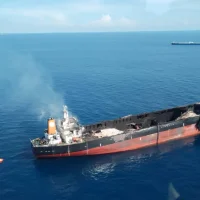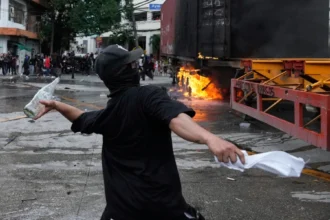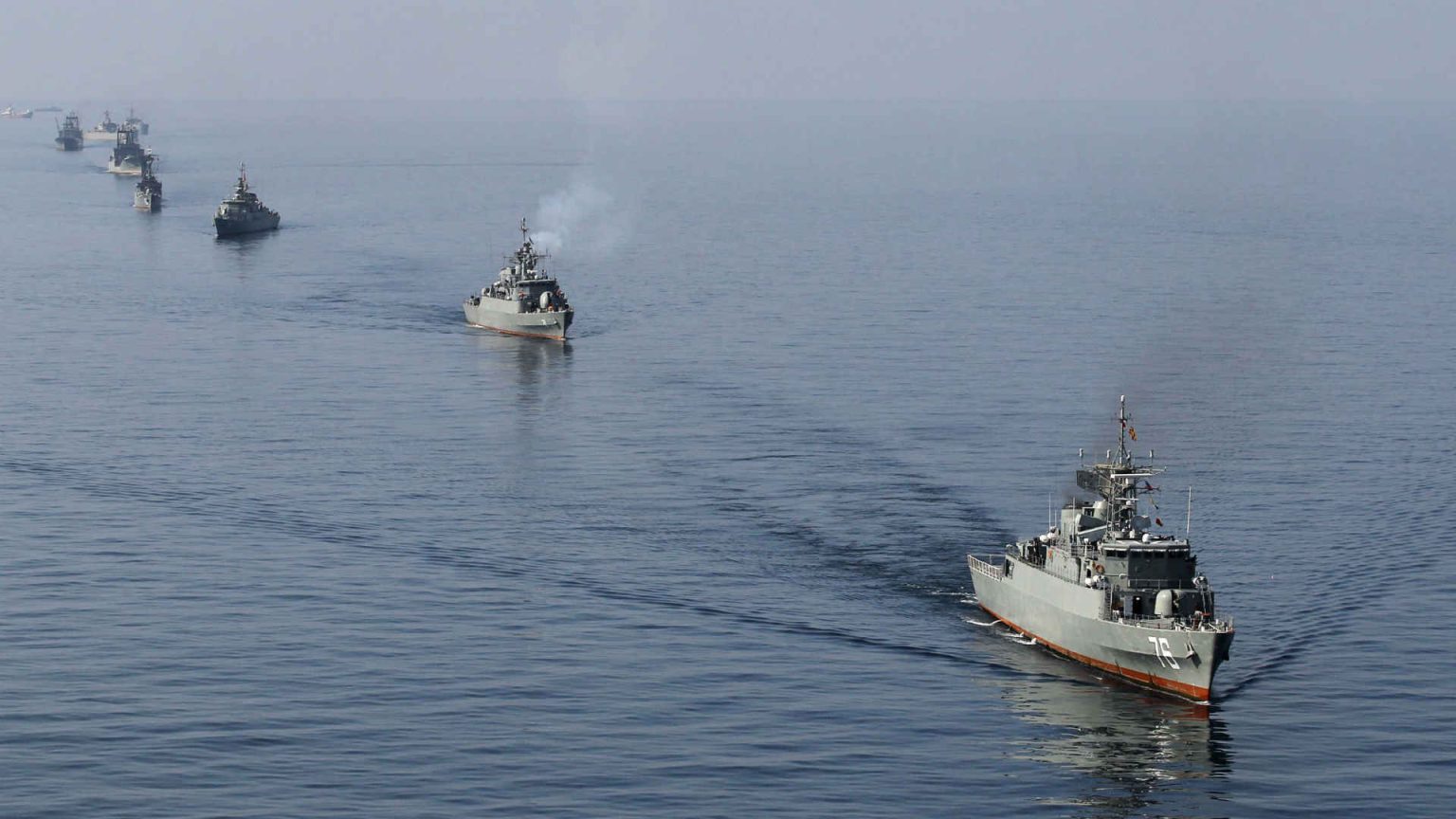
Dubai, United Arab Emirates — March 12, 2026 — According to Brussels Morning Newspaper coverage of international energy markets, the Strait of Hormuz oil crisis has become one of the most closely watched developments affecting global energy security. Rising tensions near the Gulf shipping corridor have triggered concerns about tanker safety and the stability of oil supply routes that serve the world economy.
The Strait of Hormuz is a narrow maritime passage connecting the Persian Gulf to the Arabian Sea. It is widely considered one of the most strategically important shipping routes for energy trade. Millions of barrels of crude oil move through this channel each day as tankers travel from Middle Eastern producers toward international markets.
Because such a large portion of global oil exports relies on this route, even limited disruptions can produce immediate reactions across financial markets. Investors, governments, and energy companies are all closely following the evolving Strait of Hormuz oil crisis as geopolitical tensions continue to influence the region.
Why the Strait of Hormuz Matters to Global Energy
The global importance of the waterway explains why the Strait of Hormuz oil crisis is generating worldwide attention. Tankers transporting crude oil from several major producing nations must pass through the corridor before reaching open sea and heading toward refineries.
Energy analysts estimate that roughly one fifth of the world’s daily oil supply travels through the strait. This makes the region one of the most important choke points in global energy trade.
The narrow geography of the waterway adds to the sensitivity of the situation. In some areas, tanker traffic flows through lanes that are only a few miles wide. Any disruption to these lanes can slow shipments and increase the cost of transporting oil.
As tensions rise, markets are increasingly aware that the Strait of Hormuz oil crisis could influence oil prices and global economic stability.

Oil Markets Respond to Uncertainty
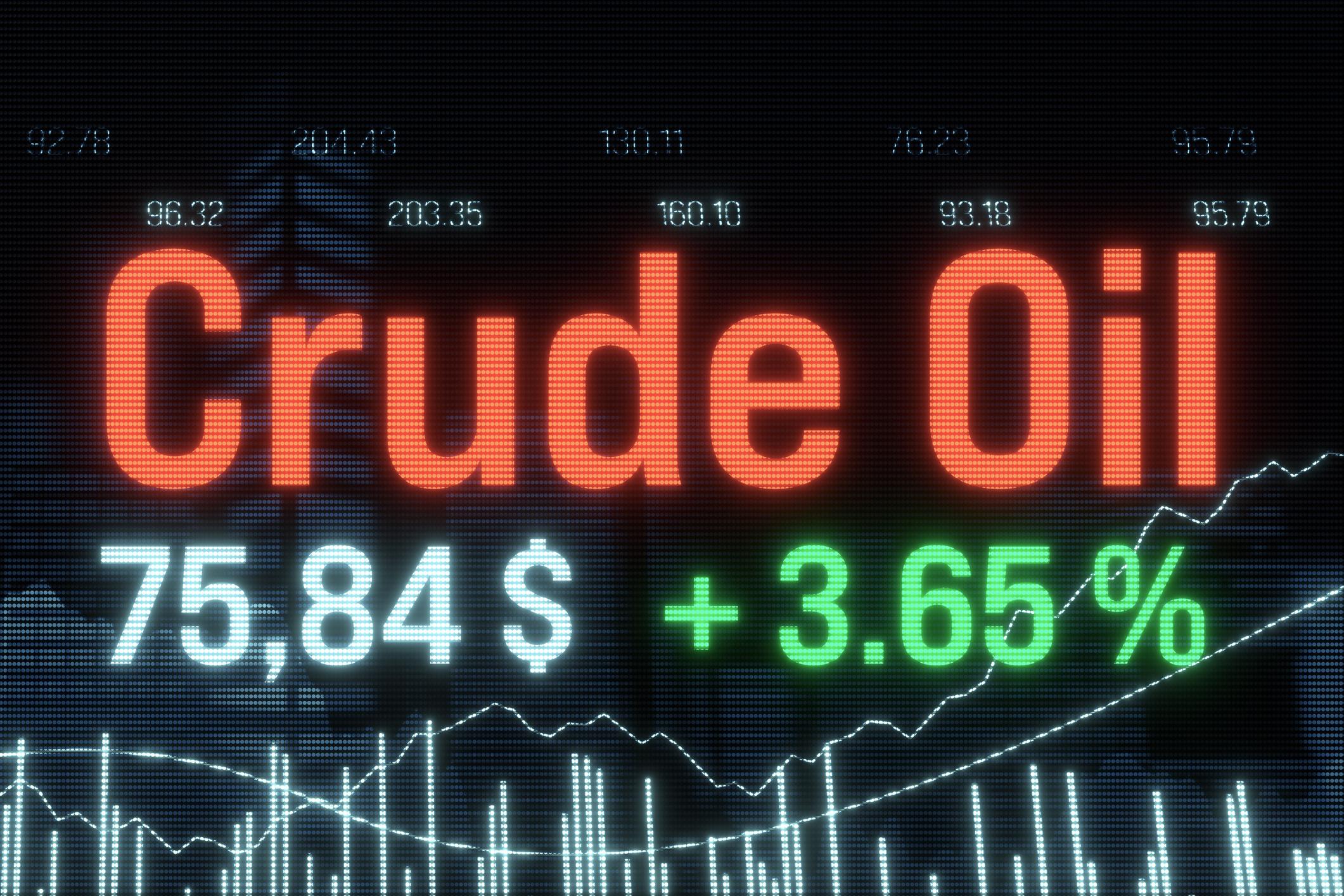
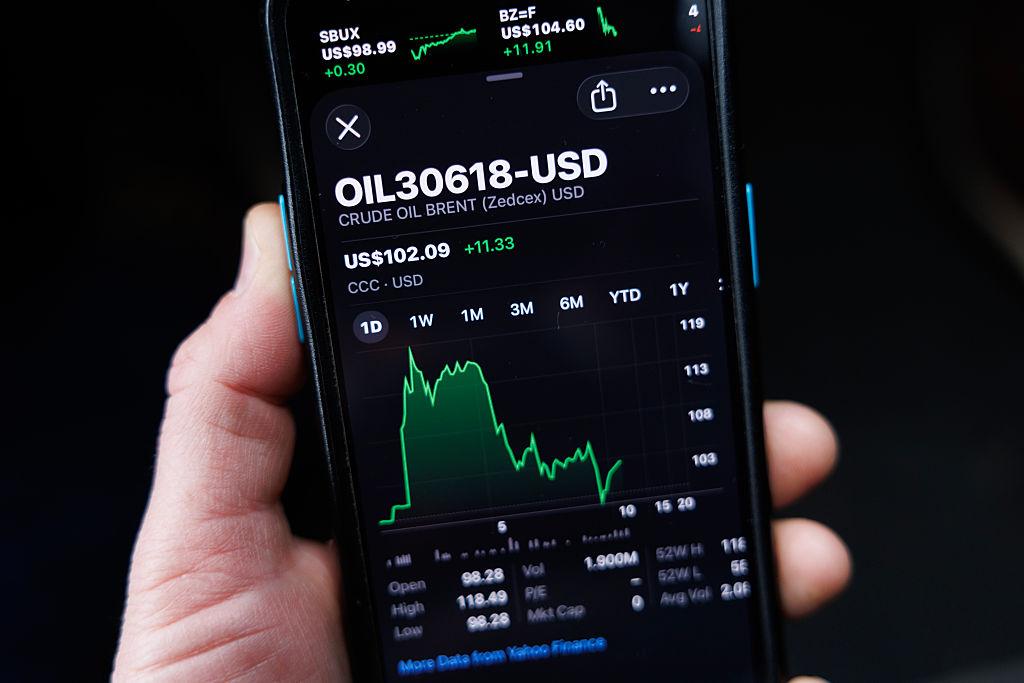
Energy markets are known for reacting quickly to geopolitical developments, and the current Strait of Hormuz oil crisis has been no exception. Traders began purchasing oil futures contracts as soon as news of rising tensions spread across financial markets.
This surge in buying activity often occurs when investors anticipate possible supply disruptions. Markets tend to price in risk even before physical shortages appear.
The reaction reflects how closely energy supply chains are connected to maritime security. If tanker traffic slows or becomes more dangerous, shipments may be delayed or rerouted.
Such concerns are driving volatility in global oil markets as analysts attempt to understand how the Strait of Hormuz oil crisis might develop.
Global Economic Ripple Effects
The implications of the Strait of Hormuz oil crisis extend far beyond energy trading. Oil prices influence transportation costs, manufacturing expenses, and consumer inflation across the global economy.
Industries such as aviation, shipping, and logistics are especially sensitive to rising fuel costs. When oil prices increase, operating expenses can rise rapidly for these sectors.
Manufacturers may also face higher production costs, which can eventually lead to higher prices for goods and services.
Economists are therefore closely monitoring the situation in the Gulf because the Strait of Hormuz oil crisis could influence inflation trends and economic growth forecasts worldwide.
Governments Focus on Maritime Security
International governments have begun strengthening maritime security in response to rising tensions in the Gulf. Naval patrols and surveillance operations are commonly deployed to protect commercial shipping during periods of geopolitical instability.
The Strait of Hormuz oil crisis has prompted renewed discussions among global leaders about how to ensure safe navigation through critical trade corridors.
Energy security remains a major priority for many countries that depend heavily on imported oil. Maintaining stable shipping routes is essential for economic stability and global trade.
Diplomatic efforts aimed at reducing tensions are also underway as governments attempt to prevent further escalation.
History of Energy Tensions in the Strait of Hormuz
The Strait of Hormuz oil crisis is part of a long history of geopolitical tensions affecting the Gulf region. Over the past several decades, conflicts involving tanker routes and energy infrastructure have periodically disrupted global oil markets.
During earlier periods of instability, oil prices often surged as traders reacted to the possibility of supply interruptions. These spikes sometimes stabilized once shipping routes reopened and tensions eased.
History shows that the region has repeatedly played a central role in shaping global energy markets. Because so much oil passes through the same narrow corridor, developments in the Gulf often have immediate worldwide consequences.
Understanding this historical context helps explain why the current Strait of Hormuz oil crisis has captured the attention of investors and policymakers.
Analysts Evaluate Possible Outcomes
Energy analysts are now evaluating several possible scenarios depending on how the situation develops. If tensions ease and tanker traffic continues normally, markets could stabilize relatively quickly.
However, if disruptions increase or shipping routes become less secure, the Strait of Hormuz oil crisis could trigger prolonged volatility in energy markets.
Investors are watching closely for diplomatic developments and international cooperation aimed at stabilizing the region.
One energy strategist summarized the market reaction by saying,
“Whenever shipping lanes in the Gulf face uncertainty, energy markets respond immediately because the world depends on those routes.”
Investors Monitor Market Signals
Financial markets often provide early signals about geopolitical risk. Rising oil prices, increased insurance costs for tankers, and shifts in trading patterns can all reflect concerns about supply disruptions.
The ongoing Strait of Hormuz oil crisis is therefore being closely monitored not only by energy traders but also by economists and central banks.
Higher energy prices can influence interest rate decisions and economic policy planning. Policymakers frequently evaluate oil price movements when assessing inflation risks.
For this reason, developments in the Gulf are attracting attention from financial institutions around the world.
Global Trade and Energy Security
The Strait of Hormuz oil crisis highlights how closely global trade depends on secure maritime transportation routes. Oil produced in one region must travel thousands of miles before reaching refineries and consumers.
Shipping lanes such as the Strait of Hormuz serve as essential connectors between energy producers and global markets.
When these corridors face threats or instability, the entire supply chain becomes vulnerable. Energy companies, governments, and shipping firms must then adapt quickly to maintain the flow of resources.
Maintaining stability in these corridors is therefore a critical priority for the global economy.
Strategic Importance for the Future of Energy
The ongoing Strait of Hormuz oil crisis is a reminder that energy markets remain closely tied to geopolitical stability. Even as the world explores alternative energy sources, oil continues to play a major role in transportation, manufacturing, and economic growth.
Protecting energy transportation routes will remain essential as global demand for fuel continues.
The Gulf region will likely remain a focal point for energy security discussions because of its central role in global supply chains.
Investors and policymakers will continue monitoring developments as they assess the long term implications of the Strait of Hormuz oil crisis.
What the World Should Watch Next
Looking ahead, several key factors will determine how the Strait of Hormuz oil crisis evolves. Diplomatic negotiations, maritime security efforts, and regional political developments will all influence the outcome.
If tensions decline and shipping routes remain open, markets may gradually return to normal trading patterns. However, continued instability could push energy prices higher and increase economic uncertainty.
Global markets will therefore remain focused on developments in the Gulf as governments work to maintain stability in one of the world’s most critical energy corridors.
The Global Energy Warning Behind the Strait Crisis
The situation surrounding the Strait of Hormuz oil crisis serves as a powerful reminder of the fragile balance that supports the global energy system.
Oil markets reacted quickly because traders understand the strategic importance of the Gulf shipping corridor. Governments and international organizations are now working to ensure that tanker routes remain secure and that global supply chains continue operating smoothly.
In summary, the crisis highlights how geopolitical stability, maritime security, and economic confidence are deeply connected. As the world watches developments in the Gulf, the future of global energy markets may depend on how effectively stability is maintained in this critical region.