Royal Australian Navy completes Taiwan Strait transit in 2026.
China confirms monitoring as Indo Pacific tensions remain elevated.
Canberra stresses lawful navigation and regional stability.
CANBERRA, Australia, February 22, 2026 — Brussels Morning Newspaper — The Royal Australian Navy confirmed this week that one of its warships conducted a transit through the Taiwan Strait, a move that drew close monitoring from Chinese naval forces and renewed diplomatic attention across the Indo Pacific. The 2026 passage occurred amid intensifying strategic competition and growing emphasis on maritime law in one of the world’s most scrutinized waterways.
Australian defense officials stated that the operation was carried out in accordance with international law and longstanding maritime practice. Chinese authorities acknowledged tracking the vessel throughout its journey, describing the monitoring as routine.
The Royal Australian Navy maintained that the transit was professional, transparent and completed without incident.
Maritime Corridor at the Center of Global Focus
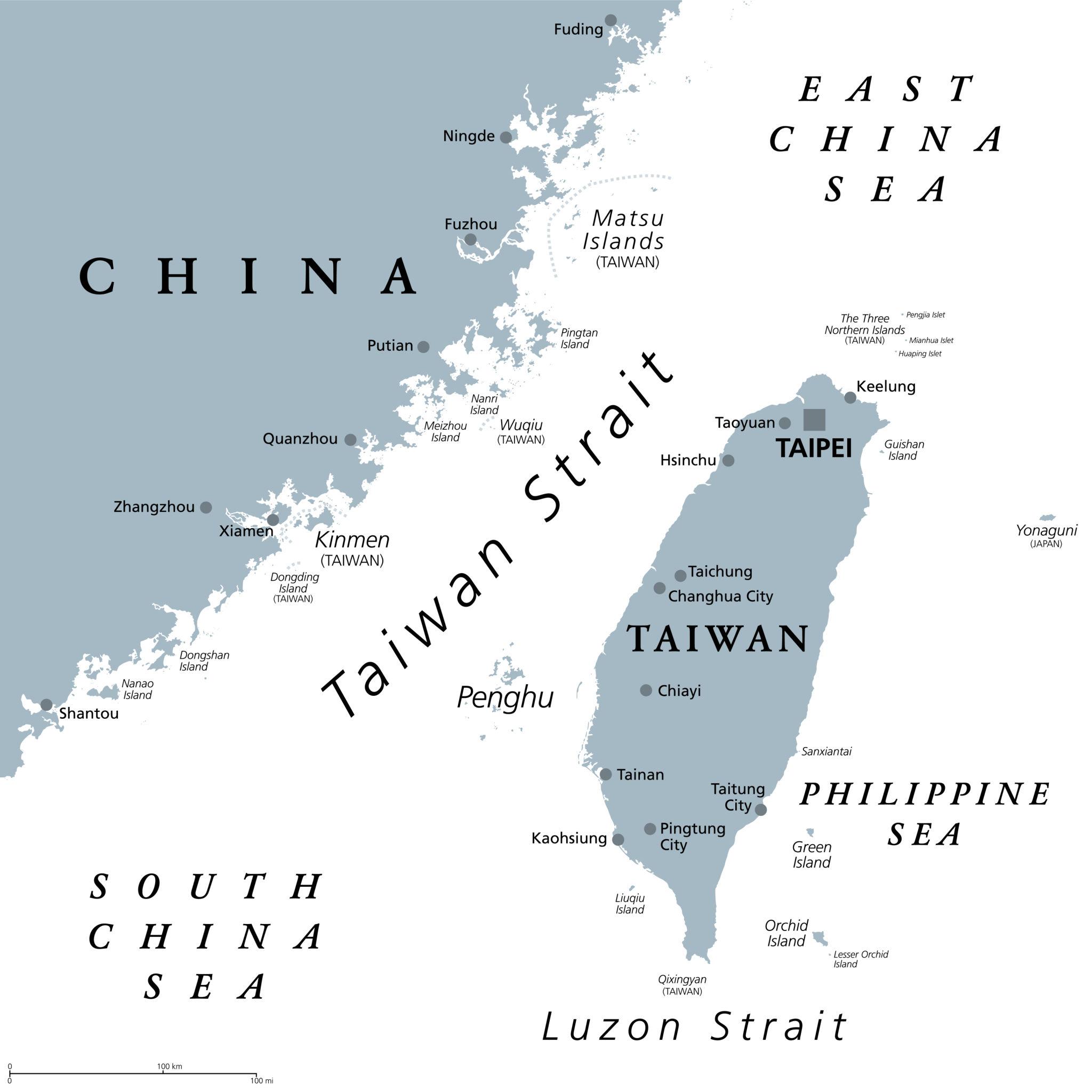
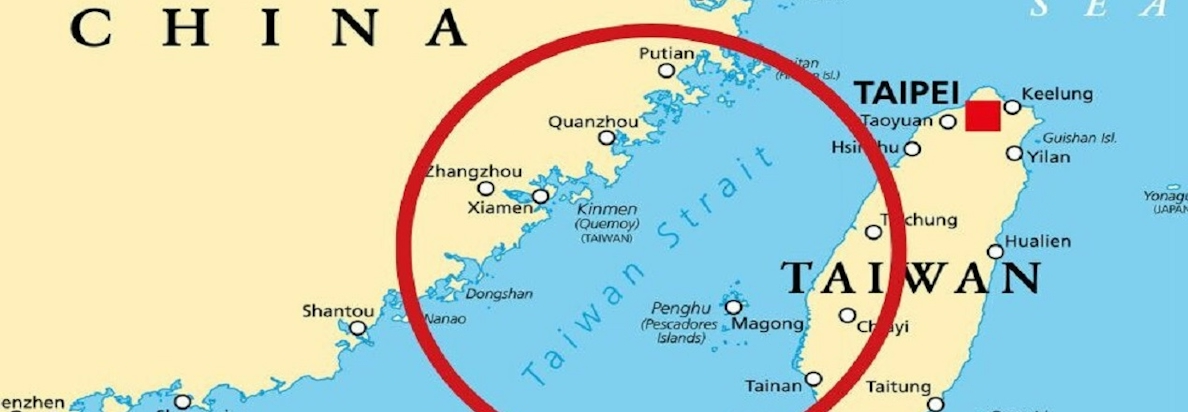
The Taiwan Strait is not merely a narrow band of water separating Taiwan from mainland China. It is a globally vital corridor that connects the South China Sea to the East China Sea and carries a significant share of international trade. Tankers, container ships and commercial vessels pass through these waters daily.
When the Royal Australian Navy undertakes a transit in this corridor, the act resonates beyond its immediate geographic footprint. Such movements are interpreted through the lens of regional rivalry, alliance commitments and competing territorial claims.
Defense analysts describe the strait as a symbolic and strategic fulcrum in the Indo Pacific. Every naval transit, even one conducted under established legal norms, is observed closely by regional stakeholders.
Australia’s Legal Framework and Strategic Doctrine
Canberra has consistently affirmed its support for the United Nations Convention on the Law of the Sea. Officials emphasize that freedom of navigation is foundational to global commerce and international stability.
The Royal Australian Navy’s presence in international waters aligns with this doctrine. Australian leaders have argued that predictable and lawful maritime operations help preserve open sea lanes essential for economic security.
A senior defense spokesperson said,
“Our operations are grounded in international law and conducted with professionalism to maintain regional stability.”
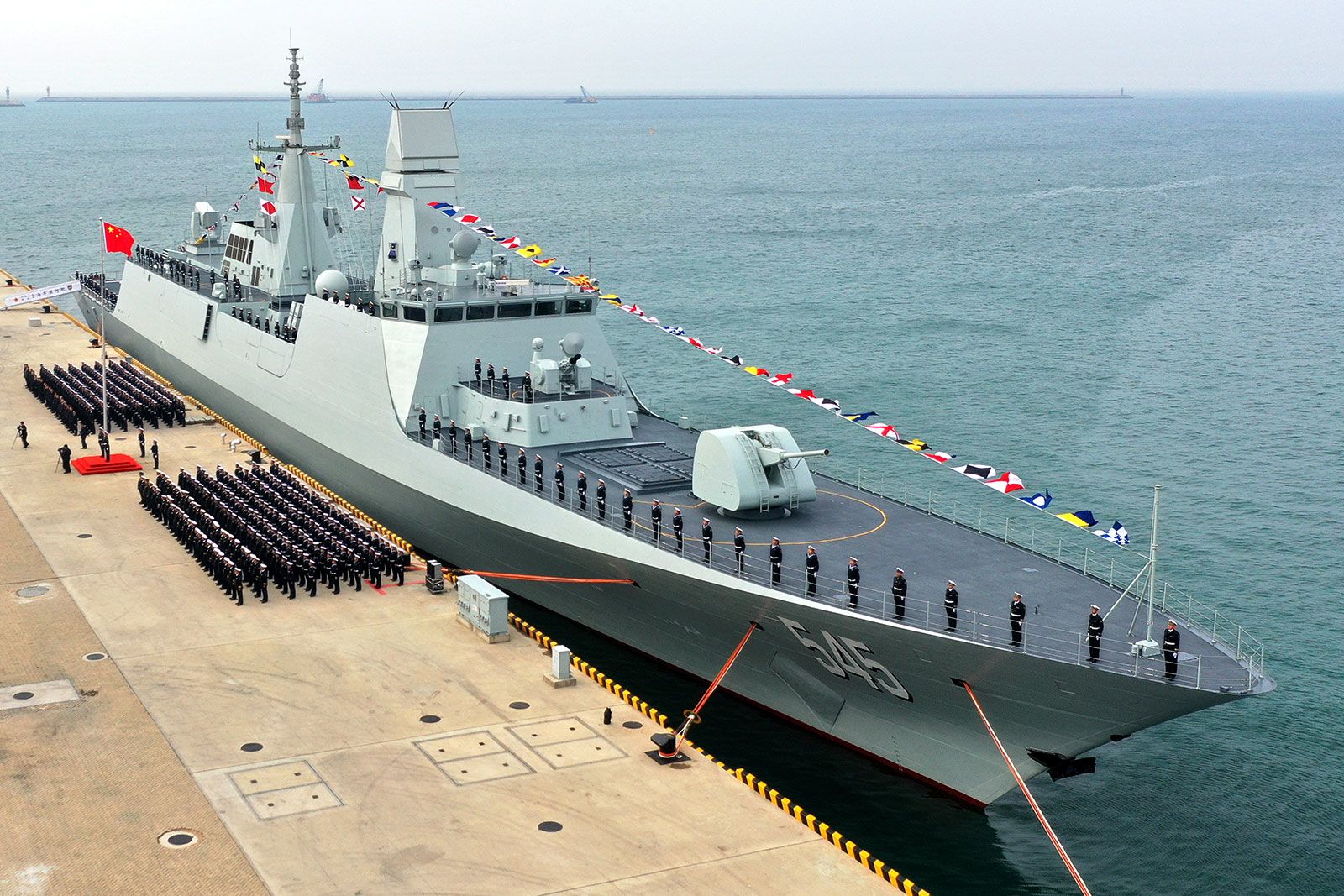
China’s navy shadowed the vessel during the transit. Both sides characterized the interaction as safe and disciplined.
Beijing’s Monitoring and Diplomatic Tone
Chinese authorities publicly confirmed that naval assets tracked the Australian ship throughout its passage. Monitoring foreign military vessels near Taiwan is standard practice for Beijing.
Statements from Chinese officials reiterated that Taiwan remains a core national interest. While diplomatic language was firm, there were no indications of direct confrontation.
The Royal Australian Navy emphasized that communication channels remained open and that operational conduct adhered strictly to maritime safety norms.
The absence of escalation suggests that both governments sought to avoid inflaming tensions.
Regional Security Architecture in 2026
The Indo Pacific has emerged as a defining arena of global power competition. Naval deployments, defense pacts and joint exercises have expanded significantly over the past decade.
The Royal Australian Navy operates within a network of alliances that includes the United States, Japan and other regional partners. Security frameworks such as AUKUS have elevated Australia’s maritime role.
Analysts argue that consistent naval presence reinforces deterrence while signaling commitment to shared norms. At the same time, governments must calibrate their actions to avoid misinterpretation.
The 2026 transit underscores the delicate balance between demonstrating resolve and preserving diplomatic space.
Economic Stakes of a Narrow Strait
The Taiwan Strait is integral to global supply chains. Semiconductor shipments, energy exports and consumer goods rely on stable maritime routes.
Market observers monitor developments in the strait closely. Even minor disruptions can trigger volatility in financial markets and commodity pricing.
The Royal Australian Navy’s transit occurred without incident, offering reassurance that commercial shipping remains unaffected. However, investors remain aware that geopolitical dynamics can shift rapidly.
Maintaining stability in these waters is therefore not solely a military objective but an economic imperative.
Domestic Debate Within Australia
Within Australia, the transit sparked measured political discussion. Supporters framed the operation as a necessary affirmation of international norms. Critics questioned whether such actions risk entangling the country in great power rivalry.
Parliamentary voices called for continued diplomatic engagement alongside maritime presence. The Royal Australian Navy has emphasized that its deployments are guided by long term strategic assessments rather than reactive politics.
Public opinion surveys indicate broad support for maintaining open sea lanes, though caution remains regarding escalation.
Operational Professionalism at Sea
Modern naval operations are governed by strict protocols designed to minimize risk. Clear communication, safe maneuvering distances and adherence to international maritime rules are standard practice.
The Royal Australian Navy crew reportedly followed established navigational procedures throughout the passage. Chinese vessels maintained surveillance without interference.
Military experts note that disciplined conduct is essential in contested waters. Miscalculation or aggressive maneuvering could lead to unintended escalation.
In this instance, professionalism prevailed on both sides.
Historical Context of Australian Naval Engagement
Australia’s maritime history stretches back more than a century. From participation in global conflicts to peacekeeping missions and disaster relief operations, its naval forces have evolved in scope and capability.
The Royal Australian Navy has historically balanced regional engagement with alliance commitments. During the Cold War, maritime patrols focused on deterrence and intelligence gathering. In recent decades, attention has shifted toward Indo Pacific security and cooperative frameworks.
The current transit reflects continuity rather than departure. It demonstrates how longstanding maritime principles adapt to contemporary geopolitical realities.
Alliance Dynamics and Strategic Signaling
Allied coordination plays a central role in Indo Pacific security. Joint exercises and interoperability programs enhance collective readiness.
The Royal Australian Navy’s transit aligns with broader alliance messaging about the importance of open navigation. While each nation retains sovereign decision making authority, coordinated actions amplify strategic signaling.
At the same time, allied governments emphasize dialogue. Deterrence and diplomacy are presented as complementary rather than contradictory tools.
The Taiwan Strait remains a testing ground for this dual approach.
Managing Risk in a Complex Environment
Security analysts caution that perception often shapes outcomes as much as action. Transparent communication and consistent messaging reduce the risk of misinterpretation.
The Royal Australian Navy has highlighted the routine nature of its transit. Chinese officials, while critical, refrained from inflammatory rhetoric.
Maintaining this equilibrium requires sustained diplomatic effort. Military operations in sensitive waters must be matched by engagement at the political level.
Global Reactions and International Law
International responses to the transit were measured. European policymakers reiterated the importance of maritime law. Regional governments avoided direct commentary but signaled support for stability.
The Royal Australian Navy’s actions fall within established legal frameworks. However, competing interpretations of maritime rights continue to fuel debate.
International law remains the reference point for resolving such disputes, though enforcement mechanisms depend on diplomatic consensus.
The Strategic Crossroads of the Indo Pacific
As the Indo Pacific continues to shape global geopolitics, maritime forces will remain central actors. Trade flows, energy routes and technological supply chains converge in this region.
The Royal Australian Navy operates at the intersection of national interest and international obligation. Its presence in contested waterways reflects broader trends toward strategic competition.
In 2026, the Taiwan Strait symbolizes both risk and resilience. Naval professionalism, diplomatic dialogue and economic interdependence collectively shape its future trajectory.
Beyond the Horizon A Delicate Equilibrium
The recent transit illustrates how a single maritime maneuver can reverberate across capitals and markets. Yet it also demonstrates that disciplined conduct and measured rhetoric can prevent escalation.
The Royal Australian Navy’s role in the Indo Pacific will likely continue to evolve. Balancing deterrence with dialogue remains the guiding challenge.
As governments navigate this complex maritime order, the emphasis remains on stability, transparency and adherence to international norms. The events of March 2026 reaffirm that even in contested waters, professionalism and communication can preserve peace.