
Greenland humanitarian support moves to the center of Arctic diplomacy in 2026.
Nuuk becomes focal point for healthcare expansion and strategic dialogue.
Leaders balance sovereignty, security and humanitarian priorities.
NUUK, Greenland, February 22, 2026 — Brussels Morning Newspaper — Greenland humanitarian support has emerged as a defining policy priority in the Arctic this year, as officials in Nuuk and international partners deepen coordination on healthcare access, emergency readiness and regional stability. The renewed focus comes at a time when environmental change and geopolitical interest are reshaping the northern frontier.
Government representatives confirmed that expanded medical cooperation will target remote communities, improve diagnostic capacity and enhance disaster preparedness. While humanitarian needs remain central, observers note that Arctic engagement now carries strategic and economic dimensions that extend well beyond healthcare delivery.
Greenland humanitarian support is therefore unfolding within a broader recalibration of Arctic policy across multiple capitals.
Healthcare Access Across Vast Distances
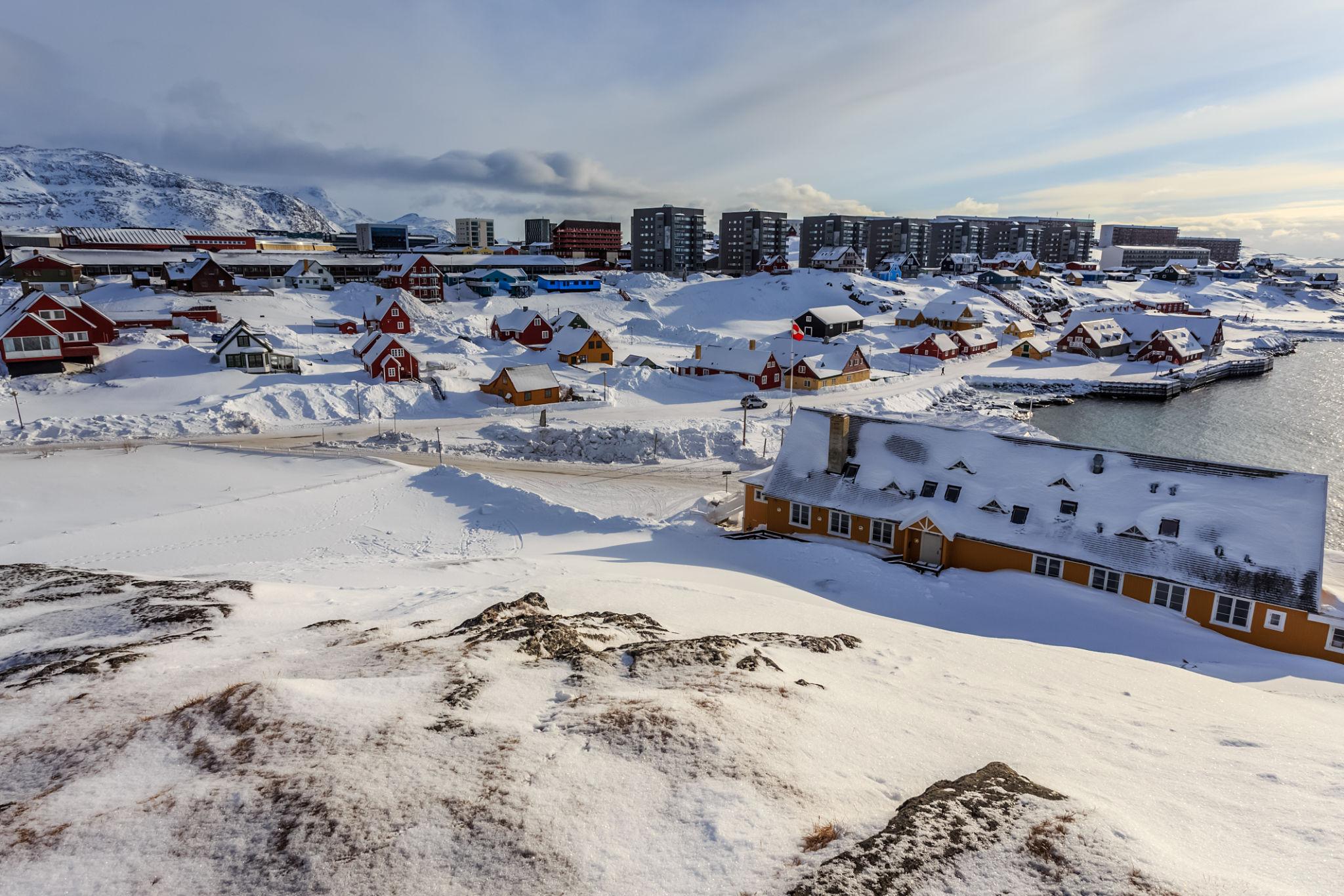
Greenland’s geography presents formidable challenges. With a population of roughly 56,000 spread across the world’s largest island, many settlements are accessible only by small aircraft or seasonal sea routes. Harsh winters and unpredictable weather frequently complicate medical transport.
Under expanded Greenland humanitarian support initiatives, resources are being directed toward telemedicine systems, advanced surgical capabilities and specialist outreach programs. Officials say the objective is to reduce reliance on overseas medical transfers while strengthening local resilience.
Health administrators emphasize that investments in equipment and training are designed to provide continuity of care. Chronic disease management, maternal health services and emergency trauma response are key focus areas.
A senior healthcare coordinator in Nuuk stated,
“Our goal is to ensure that distance no longer determines the quality of care our people receive.”
Greenland humanitarian support measures are structured to align with Greenland’s own public health priorities rather than impose external agendas.
Arctic Geopolitics and Civilian Presence
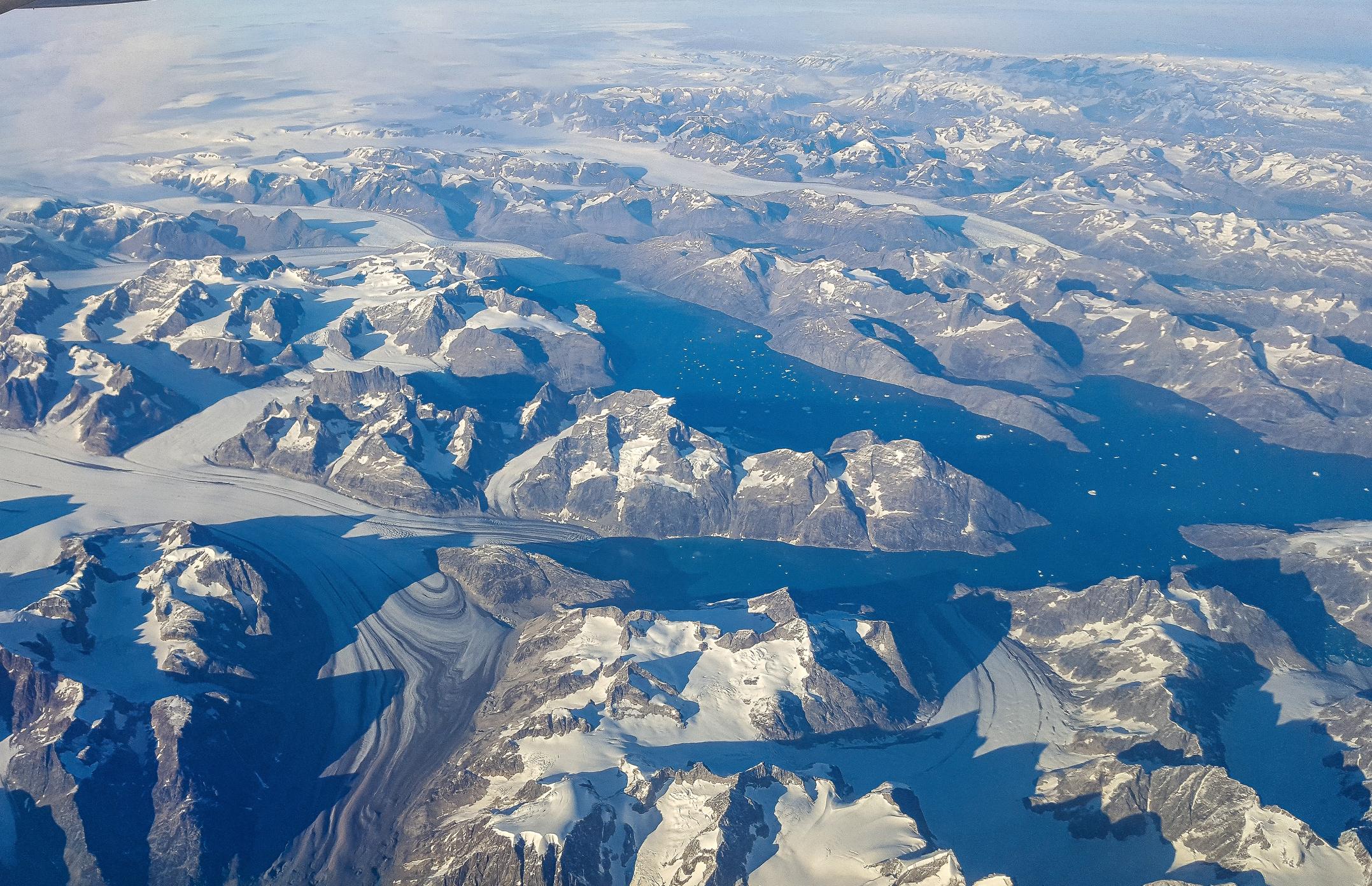
The Arctic has become increasingly prominent in global strategic discussions. Melting sea ice is opening potential maritime corridors and increasing access to natural resources. This transformation has intensified diplomatic activity and infrastructure development.
Greenland humanitarian support efforts are unfolding amid this evolving geopolitical landscape. Analysts observe that humanitarian initiatives can strengthen diplomatic ties while reinforcing regional stability. Civilian engagement often serves as a confidence building mechanism in areas where security concerns are rising.
Officials involved in planning stress that medical outreach remains the primary mission. However, Arctic specialists acknowledge that presence itself carries strategic implications.
Greenland humanitarian support therefore reflects a layered policy approach combining immediate assistance with long term positioning.
Coordination Within the Kingdom of Denmark
Greenland exercises broad self governance while remaining part of the Kingdom of Denmark. Any significant international engagement requires careful consultation.
Authorities confirmed that Greenland humanitarian support programs are being implemented in close cooperation with Danish officials. Agreements outline operational parameters, funding structures and oversight mechanisms to ensure transparency.
A Danish representative commented,
“Collaboration must respect Greenland’s autonomy and strengthen its institutions.”
The emphasis on partnership underscores the delicate balance between local control and international cooperation.
Greenland humanitarian support initiatives are framed as mutually beneficial rather than externally driven.
Infrastructure and Climate Resilience
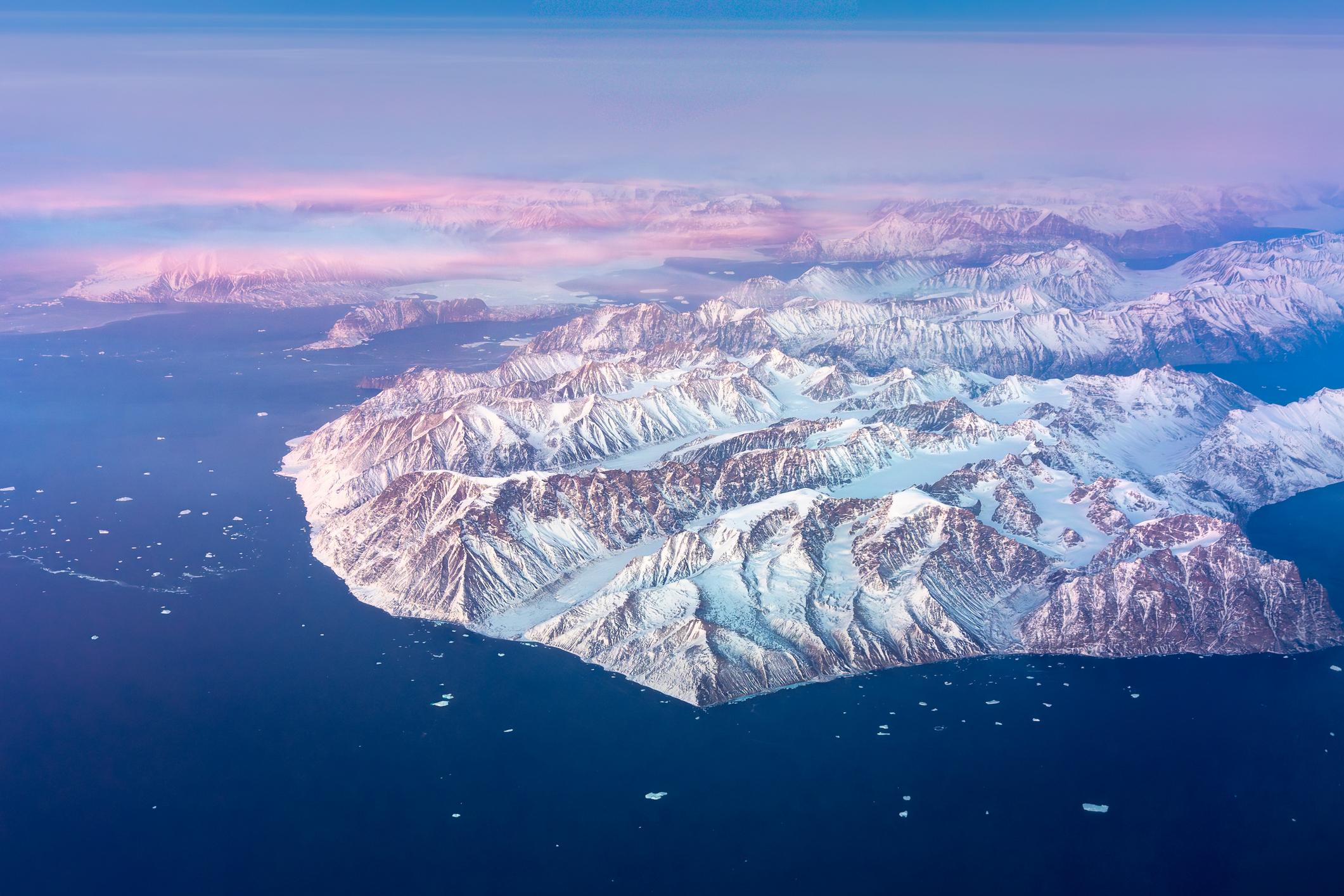
Climate change is altering the Arctic at an accelerated pace. Rising temperatures contribute to shifting ice conditions, coastal erosion and unpredictable weather events. These factors amplify the importance of resilient healthcare systems.
Expanded Greenland humanitarian support includes emergency preparedness planning tailored to Arctic realities. Mobile medical facilities, upgraded communication systems and cold weather equipment are part of the strategy.
Emergency response drills are scheduled to test coordination among healthcare teams, transportation services and municipal authorities. Planners aim to ensure rapid deployment capabilities during extreme events.
Greenland humanitarian support in this context becomes a pillar of broader climate adaptation efforts.
Economic Dimensions and Resource Debate
The Arctic is rich in minerals and energy reserves that are increasingly significant to global supply chains. Rare earth elements, in particular, have attracted international interest.
Greenland humanitarian support programs intersect indirectly with these economic discussions. Strengthened healthcare infrastructure can enhance workforce stability and community confidence, factors relevant to sustainable development.
At the same time, environmental advocates caution that economic expansion must not compromise fragile ecosystems. Healthcare investments are widely supported, but broader infrastructure growth remains subject to debate.
Greenland humanitarian support thus exists alongside complex conversations about economic opportunity and environmental stewardship.
Community Perspectives in Nuuk
Residents in Nuuk express mixed but largely hopeful reactions. For families facing long travel distances for specialized treatment, expanded services offer tangible relief.
Community leaders emphasize cultural sensitivity and linguistic inclusion in healthcare delivery. Services must reflect Greenlandic identity and respect local traditions.
A municipal official noted,
“We welcome cooperation that strengthens our capacity and respects who we are.”
Greenland humanitarian support initiatives are evaluated not only through strategic analysis but through lived community experience.
Logistics in Extreme Conditions
Operational planning in the Arctic requires precision. Limited ports, narrow weather windows and communication constraints demand careful coordination.
Greenland humanitarian support planners are mapping transportation routes and contingency scenarios. Medical supply chains must account for potential delays caused by storms or ice shifts.
Personnel rotations are being structured to prevent burnout and ensure consistent service quality. Training includes cold weather survival protocols and cultural orientation programs.
Greenland humanitarian support depends as much on logistical discipline as diplomatic alignment.
Regional Security Implications
Multilateral forums addressing Arctic cooperation continue to emphasize peaceful collaboration. Civilian initiatives often complement scientific research and environmental monitoring agreements.
Greenland humanitarian support can function as a stabilizing influence by prioritizing shared human needs over competition. Transparency in mission objectives reduces the risk of misinterpretation among neighboring states.
Security analysts argue that humanitarian engagement fosters trust and predictability in a region undergoing rapid transformation.
Greenland humanitarian support therefore contributes to both local wellbeing and regional confidence building.
Domestic Political Context
In international capitals, Arctic policy is increasingly visible. Public attention remains limited compared to other global hotspots, but strategic planners recognize the region’s importance.
Greenland humanitarian support has prompted debate about funding priorities and long term sustainability. Supporters highlight humanitarian necessity and strategic foresight. Critics question cost efficiency and geopolitical optics.
Nevertheless, Arctic engagement appears set to remain a consistent element of foreign policy agendas.
Greenland humanitarian support reflects an approach that integrates compassion with calculated planning.
Measuring Outcomes and Accountability
Success will ultimately be measured through data and community feedback. Reduced emergency evacuation rates, improved specialist access and enhanced disaster readiness are among key benchmarks.
Health officials plan to publish periodic evaluations to ensure transparency. International partners are also monitoring outcomes to assess the effectiveness of cooperative frameworks.
Greenland humanitarian support initiatives are designed to produce measurable improvements rather than symbolic gestures.
Historical Context of Arctic Engagement
Throughout the 20th century, the Arctic shifted from isolated frontier to strategic crossroads. During the Cold War, Greenland’s geographic position made it central to transatlantic defense planning. Scientific research stations and early warning systems dotted the landscape.
In recent decades, environmental change and globalization have renewed attention. What distinguishes current Greenland humanitarian support efforts is the emphasis on civilian infrastructure and healthcare resilience rather than purely military considerations.
This evolution reflects a broader understanding that human security and environmental stability are inseparable in the Arctic context.
International Reactions
Global observers are tracking developments closely. European policymakers emphasize the importance of cooperation under international law. North American officials underscore shared security interests.
Diplomatic statements have largely welcomed Greenland humanitarian support as constructive engagement. However, analysts caution that sustained communication will be essential to avoid misunderstanding.
The Arctic’s transformation requires dialogue as much as deployment.
Beyond Strategy The Human Dimension
At its core, Arctic policy affects ordinary lives. Children requiring specialized care, elders managing chronic conditions and healthcare workers navigating extreme environments represent the human face of policy decisions.
Greenland humanitarian support initiatives underscore that the Arctic is not merely a strategic map but a home for thousands of residents whose wellbeing depends on reliable systems.
As 2026 progresses, Nuuk stands at the intersection of local need and global attention. The effectiveness of this expanded engagement will depend on consistent partnership, transparent governance and measurable outcomes.
Greenland humanitarian support, carefully implemented and respectfully coordinated, may become a model for humanitarian diplomacy in other remote and climate vulnerable regions.
The coming months will determine whether this initiative evolves into a durable framework for cooperation or remains a short term chapter in Arctic policy. For now, the focus remains on service delivery, community trust and responsible stewardship of a region that is increasingly central to global affairs.