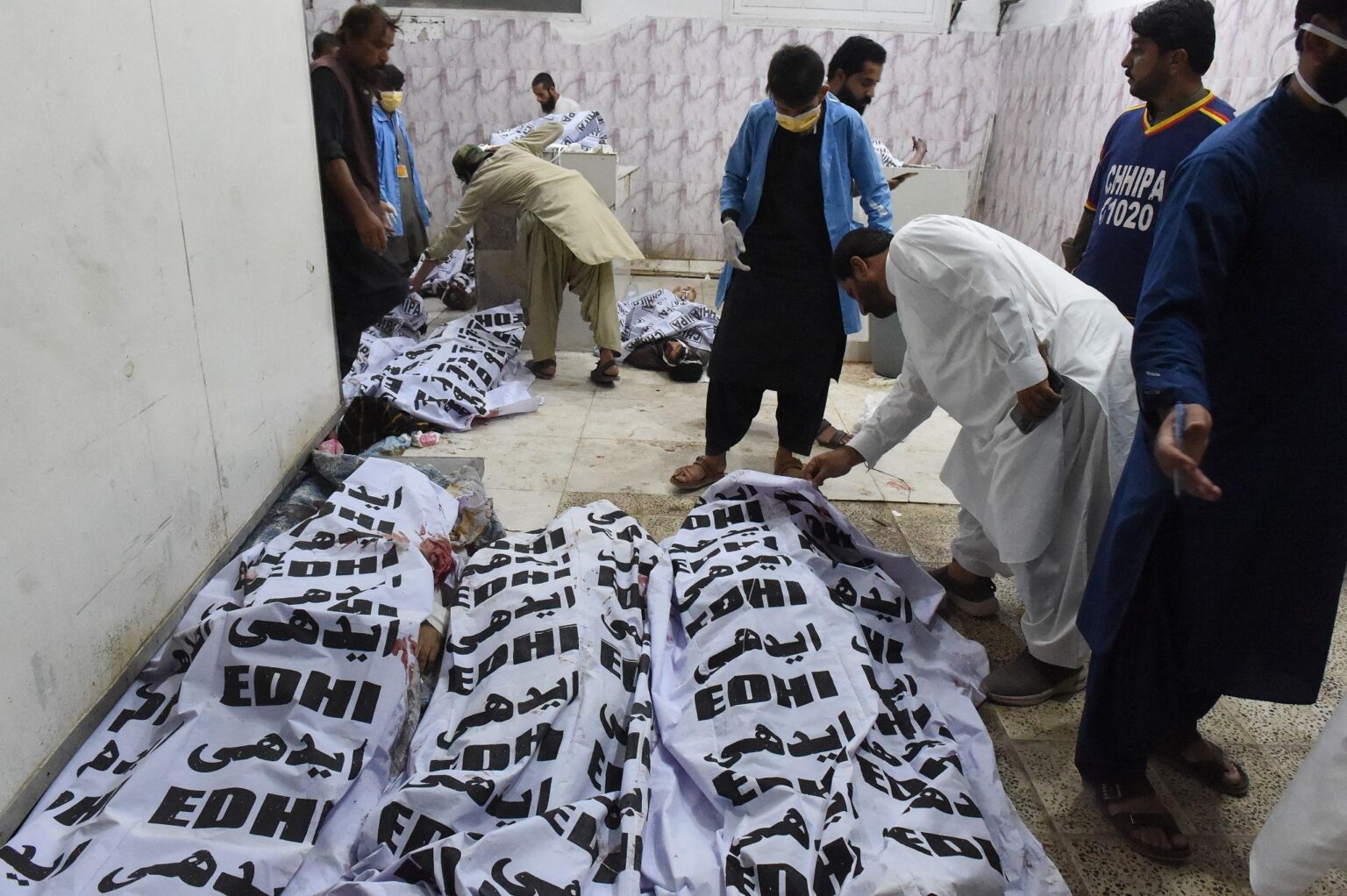
Islamabad, Pakistan, February 6, 2026 — Brussels Morning Newspaper — A suicide bombing tore through a Shi’ite mosque in Pakistan’s capital during early morning prayers on Friday, killing at least 31 people and injuring dozens, according to officials. The Pakistan mosque attack struck as worshippers gathered for communal prayers, turning a sacred space into a scene of devastation and panic.
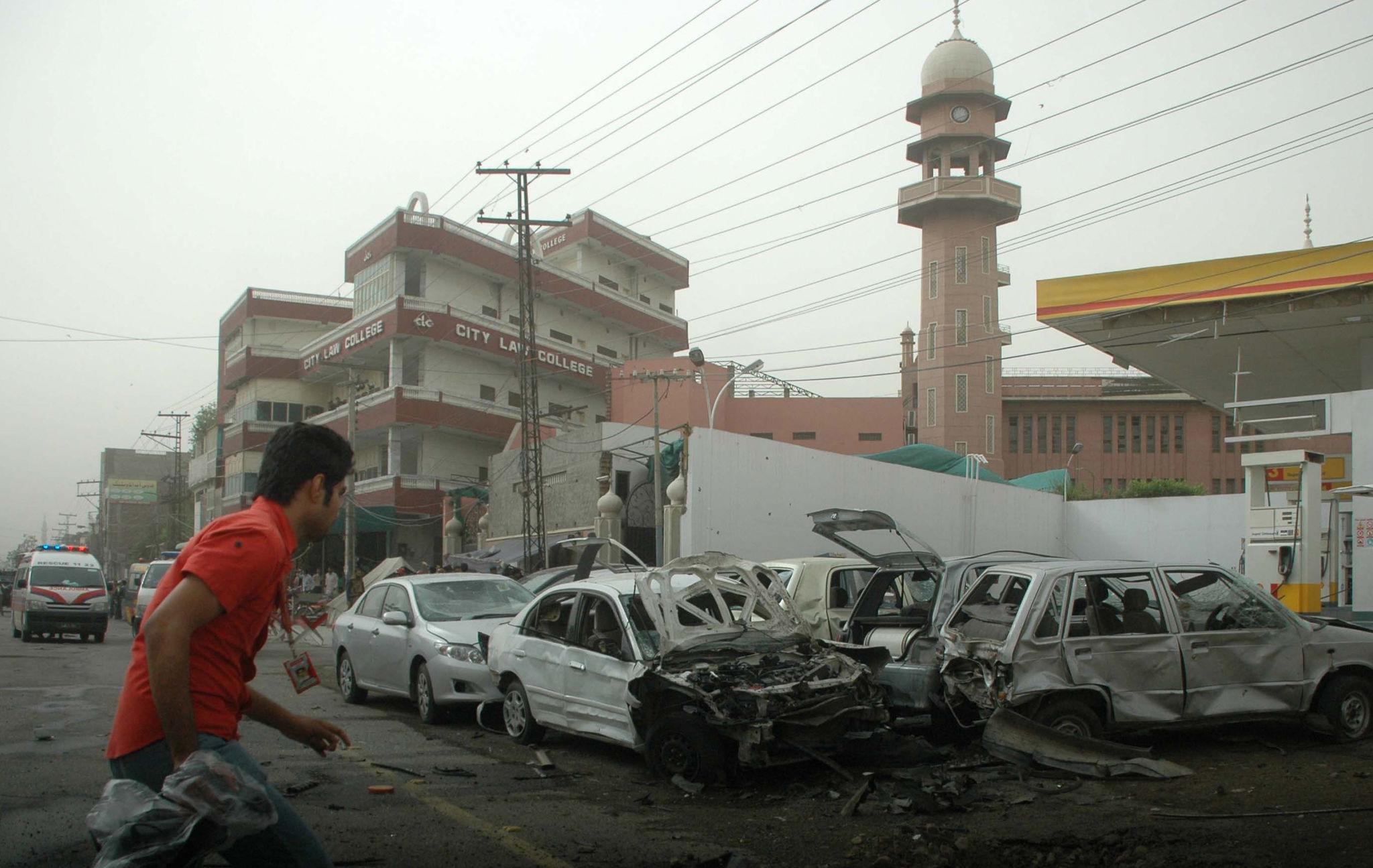
Emergency responders rushed to the mosque within minutes, while security forces sealed off nearby streets in one of the most heavily guarded zones of the capital. Hospitals across Islamabad were placed on emergency footing as the wounded were transported for urgent treatment.
Explosion Unfolds Inside a Crowded Place of Worship
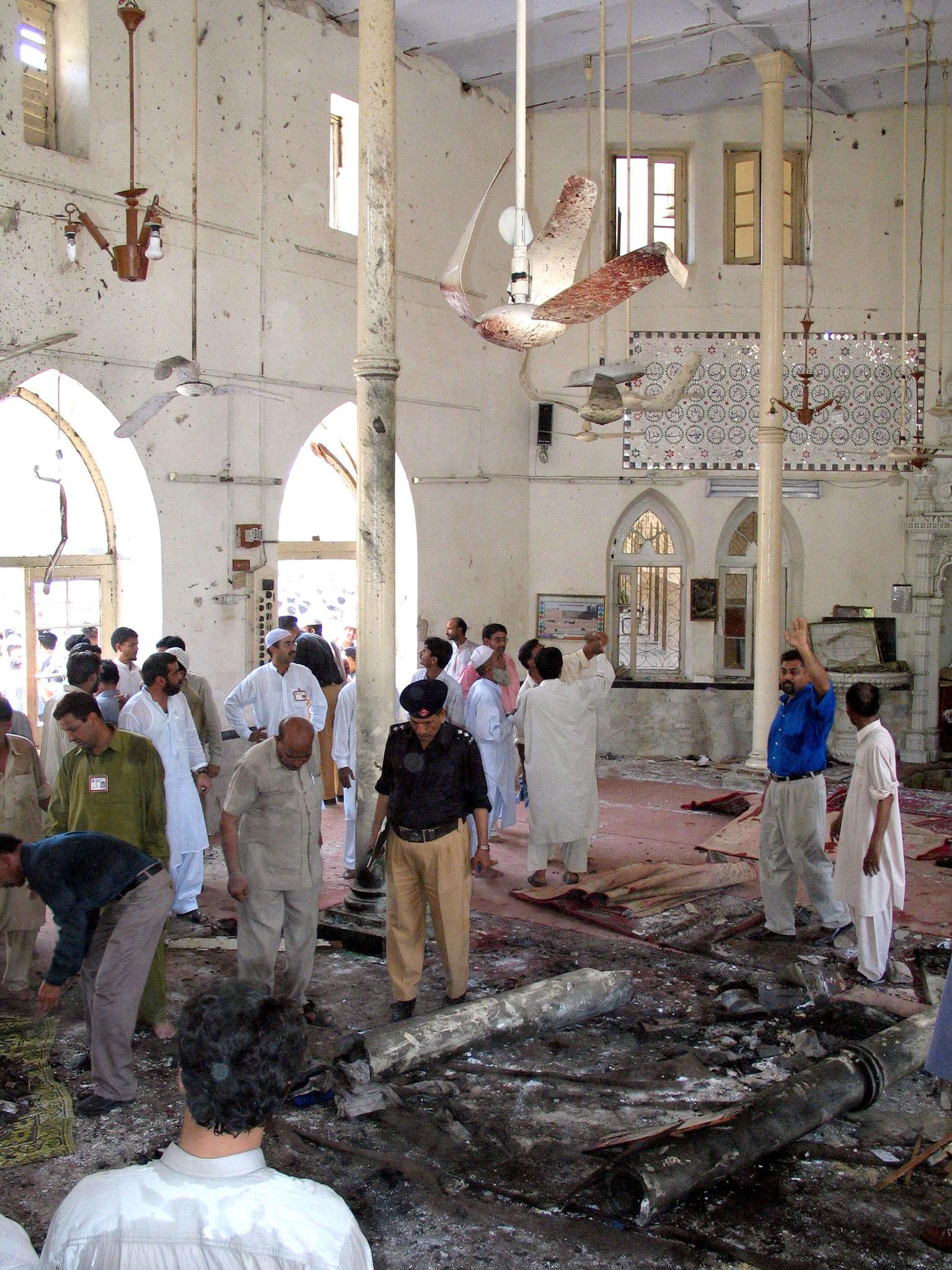
Authorities said the attacker entered the mosque shortly before the explosion, blending in with worshippers. Moments later, a powerful blast ripped through the prayer hall, collapsing parts of the structure and shattering windows.
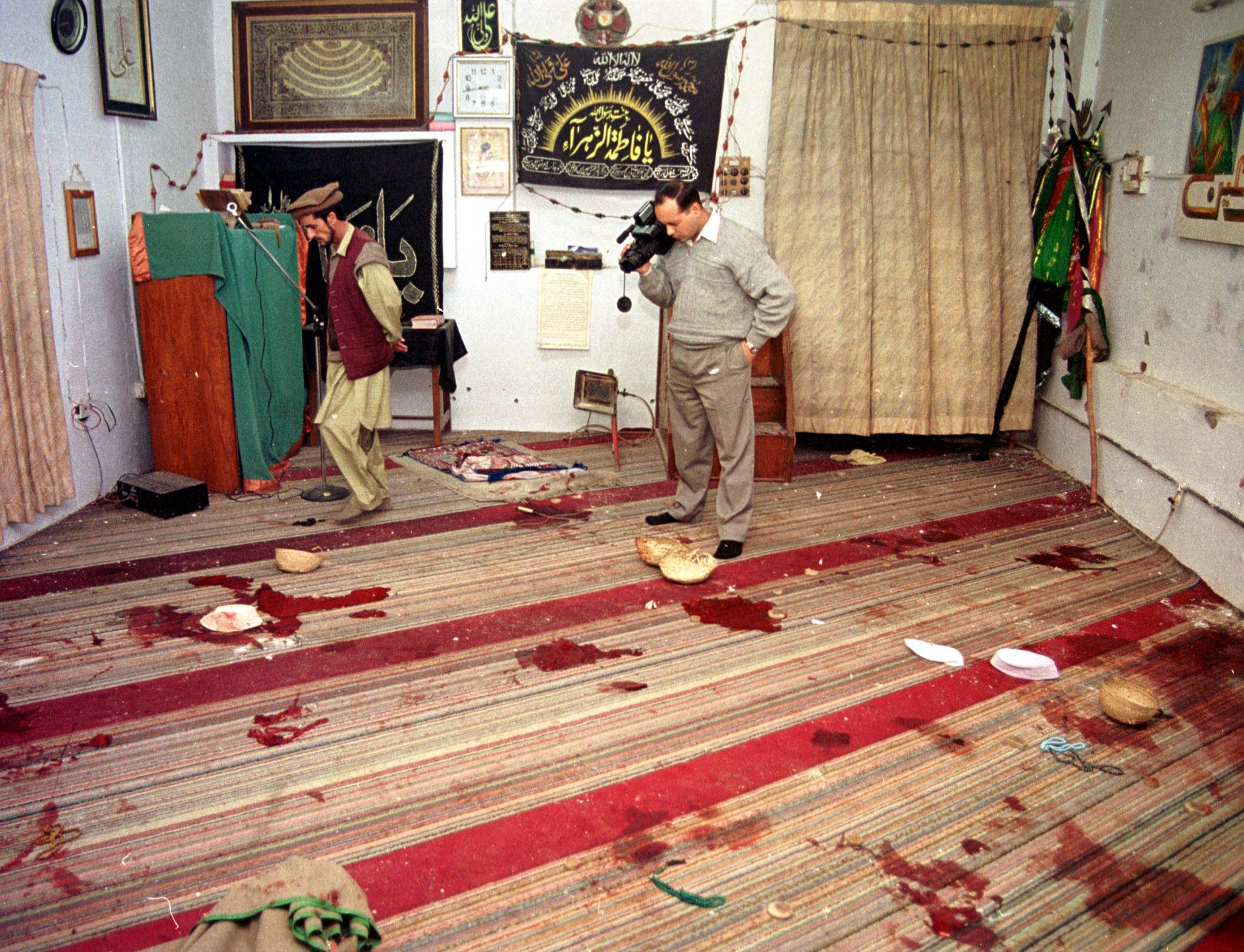
Survivors described chaos as people tried to escape through smoke-filled corridors. Shoes, prayer mats, and debris were scattered across the floor, while volunteers helped carry the injured to safety. The Pakistan mosque attack left deep physical damage to the building and lasting trauma among survivors.
Casualties Mount as Medical Teams Respond
Doctors at several major hospitals confirmed that many victims suffered severe blast injuries, including shrapnel wounds and burns. Some remain in critical condition, raising fears that the death toll could increase.
Medical staff worked continuously to stabilize patients, while blood donation appeals were issued citywide. Health officials said the scale of injuries from the Pakistan mosque attack placed immense strain on emergency services.
Security Lockdown Across the Capital
Following the bombing, Islamabad police, paramilitary forces, and intelligence units launched a coordinated security operation. Checkpoints were reinforced, patrols increased, and surveillance expanded across sensitive districts.
Officials acknowledged that the Pakistan mosque attack has prompted an immediate review of security protocols at religious sites nationwide, particularly during major prayer times.
Government Condemnation and National Response
Pakistan’s leadership strongly condemned the attack, calling it an assault on national unity and religious freedom. Senior officials vowed swift action against those responsible and announced compensation for victims’ families.
A government spokesperson said,
“Those who target innocent worshippers will face the full force of the law,”
referring to the Pakistan mosque attack as an act meant to destabilize society.
Sectarian Dimension Raises Broader Concerns
Shi’ite communities in Pakistan have long faced threats from extremist groups seeking to inflame sectarian divisions. Analysts say attacks on mosques are often designed to provoke fear and retaliation.
The Pakistan mosque attack has renewed debate over how effectively authorities are countering sectarian militancy and protecting vulnerable communities.
Eyewitness Accounts From Inside the Mosque
Several worshippers who survived the explosion described moments of terror as the blast echoed through the building.
“We were praying when everything went dark and loud,”
said one survivor.
“People were crying, and no one understood what had happened.”
Such personal testimonies underline the human cost of the Pakistan mosque attack, which has left families grieving and communities shaken.
International Condemnation and Solidarity
World leaders and international organizations condemned the bombing and expressed condolences to Pakistan. Messages of support arrived from across Asia, Europe, and the Middle East.
Foreign diplomatic missions in Islamabad reviewed security arrangements following the Pakistan mosque attack, highlighting concerns about the safety of public spaces in the region.
Investigation Focuses on Networks and Failures
Investigators began analyzing surveillance footage, mobile data, and forensic evidence from the blast site. Authorities are examining whether the attacker acted alone or received logistical support.
Security officials admitted that the Pakistan mosque attack exposed gaps that must be addressed to prevent similar incidents.
Public Mourning and Religious Unity
Candlelight vigils were held across Islamabad as citizens gathered to honor the victims. Religious leaders from different sects urged calm and unity, emphasizing that violence must not divide society.
“This tragedy is not about one sect or group,”
said a senior cleric.
“It is an attack on humanity itself.”
The Pakistan mosque attack has intensified calls for interfaith cooperation and stronger community engagement.
History of Attacks on Religious Sites in Pakistan
Pakistan has witnessed multiple attacks on religious gatherings over the past two decades, particularly targeting minority sects. Despite repeated security operations, militant groups have continued to exploit vulnerabilities.
This historical pattern provides important context for understanding the Pakistan mosque attack, which follows a long struggle between the state and extremist networks.
Security Policy Under Renewed Scrutiny
Policy experts say the attack may influence future counterterrorism strategies, including enhanced intelligence sharing and community-based monitoring.
The Pakistan mosque attack has become a defining moment for authorities seeking to balance civil liberties with public safety.
Economic and Social Impact on the Capital
Beyond the immediate human toll, the bombing has disrupted daily life in Islamabad. Businesses near the blast site remained closed, and public gatherings were limited under heightened security.
Residents expressed concern that repeated incidents like the Pakistan mosque attack could damage confidence in the capital’s safety.
Voices of Grief From Victims’ Families
Families of those killed described unimaginable loss, with many struggling to comprehend how a place of worship became a target.
“He went to pray and never came back,”
said a relative of one victim.
“No family should experience this.”
Their grief underscores the enduring impact of the Pakistan mosque attack long after headlines fade.
A City Searches for Strength Amid Tragedy
As investigations continue, Islamabad remains on edge. Yet signs of resilience are visible, with volunteers assisting victims and communities offering support.
The Pakistan mosque attack has tested the nation’s resolve, but it has also revealed a collective determination to resist fear.
What Lies Ahead for Pakistan’s Security Landscape
Experts warn that preventing future attacks will require sustained effort, including countering extremist narratives and strengthening intelligence coordination.
The Pakistan mosque attack may ultimately shape how Pakistan approaches internal security in the years ahead.
When Faith Becomes a Target, Resolve Must Follow
In the quiet moments after the blast, as prayers turned into mourning, the challenge for Pakistan became clear. Protecting faith, life, and unity now stands at the center of a national reckoning sparked by the Pakistan mosque attack.