

Moscow, 19 October, (Brussels Morning Newspaper) – Russian President Vladimir Putin has reportedly proposed a Ukraine peace summit with US President Donald Trump and Chinese President Xi Jinping, opening the possibility of high-level negotiations over the war while raising questions about Ukraine’s participation and Europe’s influence over any settlement.
- Putin Proposes Major Trump-Xi Talks in China
- Kremlin Acknowledges Talks but No Summit Agreement
- Ukraine’s Absence Raises Questions for European Leaders
- Russia Sanctions Add Pressure to Diplomatic Discussions
- What Putin’s Proposal Means for Brussels and the EU
- What Happens Next for Ukraine Peace Negotiations?
According to The Wall Street Journal, Putin suggested the trilateral meeting during a telephone conversation with Trump on 9 October. The proposed talks could take place in China next month, although no formal agreement has been announced.
The initiative comes amid continuing diplomatic disagreements over Russian sanctions, Ukrainian sovereignty and the conditions required to end the conflict.
Putin Proposes Major Trump-Xi Talks in China
The proposed meeting could take place alongside the Asia-Pacific Economic Cooperation (APEC) Economic Leaders’ Meeting in Shenzhen, China, scheduled for 18–19 November.
The gathering would bring together the leaders of Russia, the United States and China to discuss a possible settlement to the war.
However, Ukrainian President Volodymyr Zelenskyy has not been identified as a participant in the reported proposal.
The Wall Street Journal reported that Moscow wants negotiations that could help secure an outcome favourable to Russian interests.
China’s involvement would also introduce another major diplomatic player into discussions that have largely centred on Washington, Moscow, Kyiv and European governments.
Kremlin Acknowledges Talks but No Summit Agreement
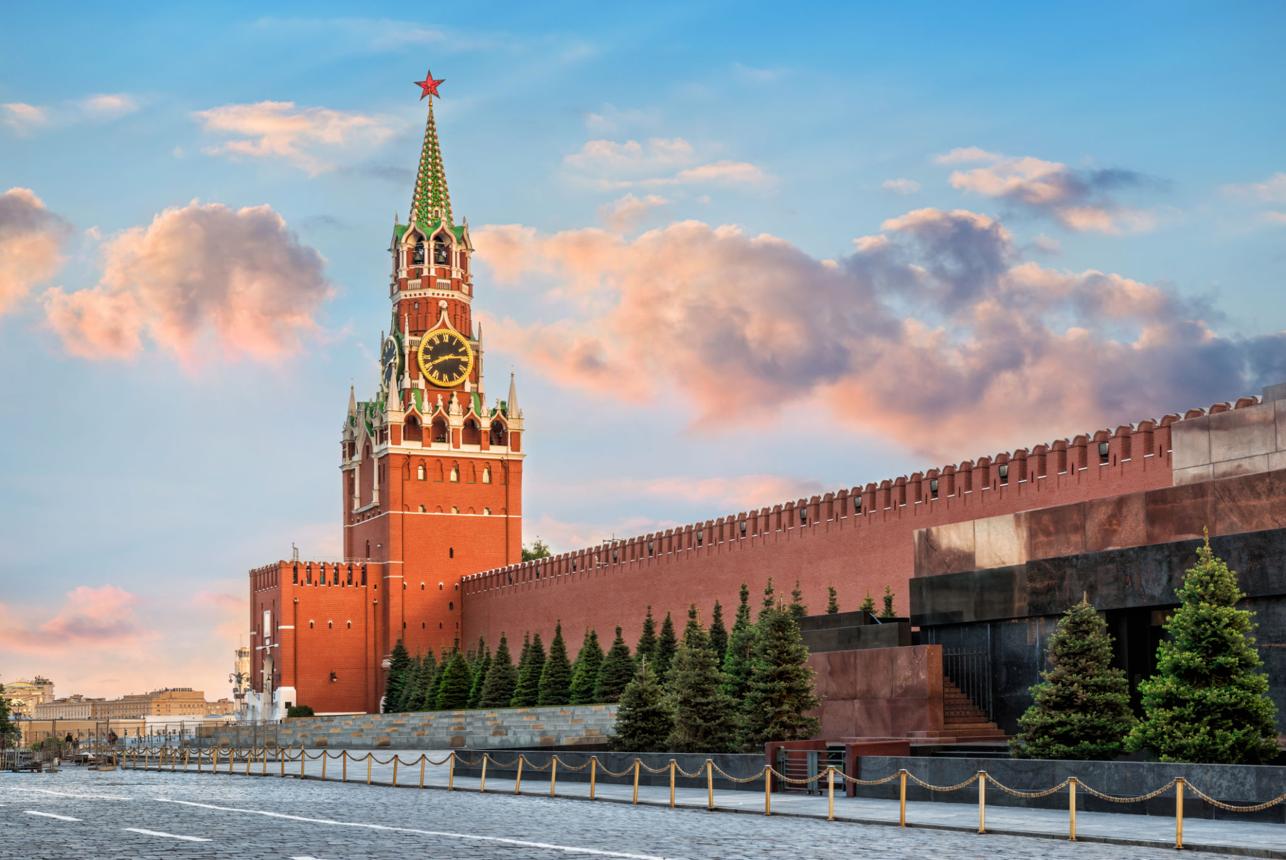
Kremlin spokesman Dmitry Peskov has acknowledged preliminary discussions surrounding the possible meeting, while indicating that its arrangements and agenda remain unresolved.
US Secretary of State Marco Rubio also addressed the prospect of trilateral discussions on 19 October.
Speaking during a visit to Uzbekistan, Rubio acknowledged that the possibility had been discussed but said no final decision had been reached.
The statements indicate that diplomatic contacts have taken place, although the reported summit remains a proposal rather than a confirmed meeting.
Ukraine’s Absence Raises Questions for European Leaders
The proposed diplomatic format could create difficulties for Ukraine and its European partners if negotiations proceed without direct Ukrainian participation.
Kyiv has consistently maintained that decisions affecting its sovereignty, borders and national security must involve Ukraine.
European governments have also emphasised the importance of Ukraine’s involvement in negotiations concerning its future.
Any settlement would need to address fundamental disagreements over occupied territory, security guarantees and the conditions for a lasting ceasefire.
Russia Sanctions Add Pressure to Diplomatic Discussions
The latest initiative follows Washington’s decision to ease certain restrictions affecting Russian diesel supplies.
Trump’s administration has presented renewed engagement with Moscow as part of its efforts to pursue an end to the war.
Zelenskyy has criticised the easing of sanctions, arguing that reducing economic pressure could weaken efforts to secure meaningful concessions from Russia.
The disagreement highlights the competing approaches to diplomacy, economic restrictions and military pressure.
Russia’s full-scale invasion of Ukraine began in February 2022, and successive diplomatic efforts have failed to produce a comprehensive peace agreement.
What Putin’s Proposal Means for Brussels and the EU
For Brussels, the proposed meeting raises questions about the European Union’s involvement in decisions affecting continental security.
EU governments have committed substantial political, financial and military support to Ukraine since the invasion.
A settlement discussed primarily between Washington, Moscow and Beijing could leave European institutions seeking a greater role in shaping security arrangements that directly affect member states.
The possibility also highlights the importance of maintaining coordination between the EU, Ukraine and the United States.
What Happens Next for Ukraine Peace Negotiations?
Attention now turns to whether Trump and Xi formally agree to participate in the proposed talks.
APEC has confirmed that its Economic Leaders’ Meeting will take place in Shenzhen on 18–19 November, but the separate trilateral discussions have not been officially scheduled.
No negotiating agenda, ceasefire framework or agreement involving the three leaders has been announced.
For Ukraine and European governments, the central question remains whether any future negotiations will include Kyiv and provide credible guarantees for its sovereignty and long-term security.