Washington (Brussels Morning Newspaper) October 17, 2026 – US President Donald Trump issued an executive order on Friday evening waiving major sanctions and tariffs against Russia just two days before they were scheduled to take effect. The executive action, justified by the White House under US national interest, has drawn immediate criticism from Ukrainian President Volodymyr Zelensky and American lawmakers. The decision comes amid escalating diplomatic friction between Washington and Kyiv regarding military assistance and global energy trade agreements.
- Executive Suspension of Major Congressional Sanctions Package
- Targeting Energy Buyers, Financial Institutions, and the Shadow Fleet
- Escalating Strain in Bilateral Relations Between Washington and Kyiv
- Official Ukrainian Reaction to the Sanctions Waiver
- Statements from Moscow Welcoming the US Executive Waiver
- Political Opposition and Congressional Backlash in the United States
- White House Justification and Statutory Authority
Executive Suspension of Major Congressional Sanctions Package
United States President Donald Trump has issued an executive order suspending a broad package of congressional sanctions and potential import tariffs targeting the Russian Federation, halting their enforcement two days before the scheduled statutory implementation date.
The action waives key provisions of legislation passed by the US Congress and signed into law by President Trump in September. In issuing the executive order on Friday night, the US president stated that suspending portions of the law was required in the national interest of the United States. The order effectively freezes measures designed to restrict Russian energy revenues, target major Russian financial institutions, and penalise Moscow’s maritime commercial network.
Targeting Energy Buyers, Financial Institutions, and the Shadow Fleet
The legislative package signed in September granted the executive branch broad authorities to penalise state actors and global trade partners doing business with Moscow. Under the statutory provisions now waived, the White House held authority to impose tariffs of up to 100 per cent on trade imports originating from the top five international purchasers of Russian crude oil and natural gas, most notably targeting commercial entities in China and India.
In addition to trade-related secondary tariffs, the congressional framework mandated targeted sanctions directed at senior Russian government officials, including Russian President Vladimir Putin. The law also provided legal mechanisms to sanction leading Russian financial firms and apply regulatory bans against Moscow’s “shadow fleet”—a maritime network of commercial tankers utilised by Russia to bypass international oil price caps and trade restrictions. President Trump’s executive order waives the automatic application of a significant portion of these restrictions.
Escalating Strain in Bilateral Relations Between Washington and Kyiv
The executive decision was issued during a period of rising diplomatic strain between Washington and Kyiv. Relations between the two governments have frayed following a recent bilateral agreement between the United States and Russia regarding energy commodities. Under that agreement, Washington agreed to import Russian diesel fuel and ease export sanctions, while Moscow agreed to supply diesel to global commercial markets in an attempt to suppress international fuel prices. Following the agreement, the Ukrainian administration accused Washington of withdrawing vital military assistance and withholding strategic defence support.
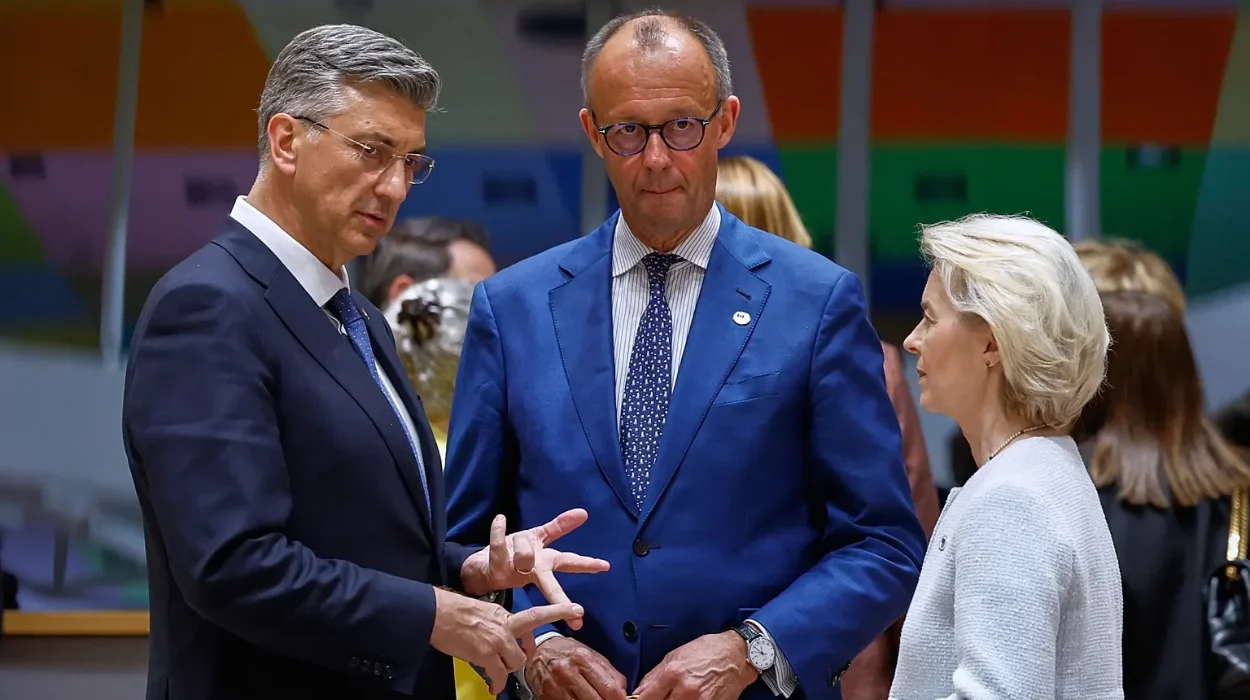
Tensions have also manifested in public exchanges between leadership in Washington and Kyiv. During a recent European Union summit, Ukrainian President Volodymyr Zelensky stated that it was positive to be surrounded by “real leaders”. The remark followed statements by President Trump, who remarked publicly that President Zelensky was “more difficult to deal with” than Russian President Vladimir Putin.
Official Ukrainian Reaction to the Sanctions Waiver
Ukrainian officials expressed swift disapproval of the executive waiver on Saturday morning. President Zelensky publicly stated that the US decision to forgo enforcement of the congressional sanctions package was unfortunate, remarking that Washington had chosen to “completely disregard” the sanctions framework.
Addressing the impact of the legislative package prior to the executive order, President Zelensky noted that the sanctions “could have helped enormously” in limiting Moscow’s economic capacity. He stated that the statutory provisions were originally designed
“to impose truly effective pressure on Russia to bring this war to an end”.
President Zelensky highlighted that the waiver coincided with overnight Russian military strikes against 15 Ukrainian energy infrastructure facilities, which resulted in widespread electrical outages across multiple administrative regions. He stated that Russia was actively attempting to cause a widespread blackout across Ukraine ahead of the winter season.
Statements from Moscow Welcoming the US Executive Waiver
Official responses from Moscow welcomed the executive order signed in Washington. Russian investment envoy Kirill Dmitriev characterized the waiver as
“an important and truly historic moment”.
Statements published by Dmitriev on social media platform X asserted that the congressional sanctions, if fully implemented, would have inflicted “serious damage” primarily on the United States and global energy markets. Dmitriev further stated that the legislation would have brought economic cooperation between Russia and the United States to a complete halt, arguing that continued economic interaction serves the mutual interests of both nations.
Political Opposition and Congressional Backlash in the United States
Within the United States, the executive order generated immediate political opposition from members of Congress. Democratic lawmakers criticized the suspension, alleging that the administration had undercut congressional intent and compromised strategic commitments to Ukraine. Representative Don Beyer, a Democrat representing Virginia, publicly condemned the decision, stating that the waiver represented a surrender to Russian leadership.
“Trump’s latest surrender to Putin again betrays our Ukrainian partners and defies clear congressional intent of legislation designed to punish Russia for its illegal war of aggression,”
Representative Beyer stated in an official release.
Prior to Friday’s executive order, the White House had also drawn criticism from bipartisan lawmakers, including select Republican senators, regarding the recent US-Russia diesel agreement. Congressional critics of the deal argued that lifting sanctions on Russian fuel exports provides Moscow with critical foreign exchange revenues that directly fund its ongoing military operations in Ukraine.
White House Justification and Statutory Authority
The statutory framework signed in September contained explicit mechanisms allowing executive flexibility, granting the president authority to suspend or modify specific sanctions provisions provided the administration formally certifies to Congress that such exemptions align with US national security and economic interests. White House officials maintained that the executive waiver issued on Friday falls squarely within these statutory administrative authorities.