
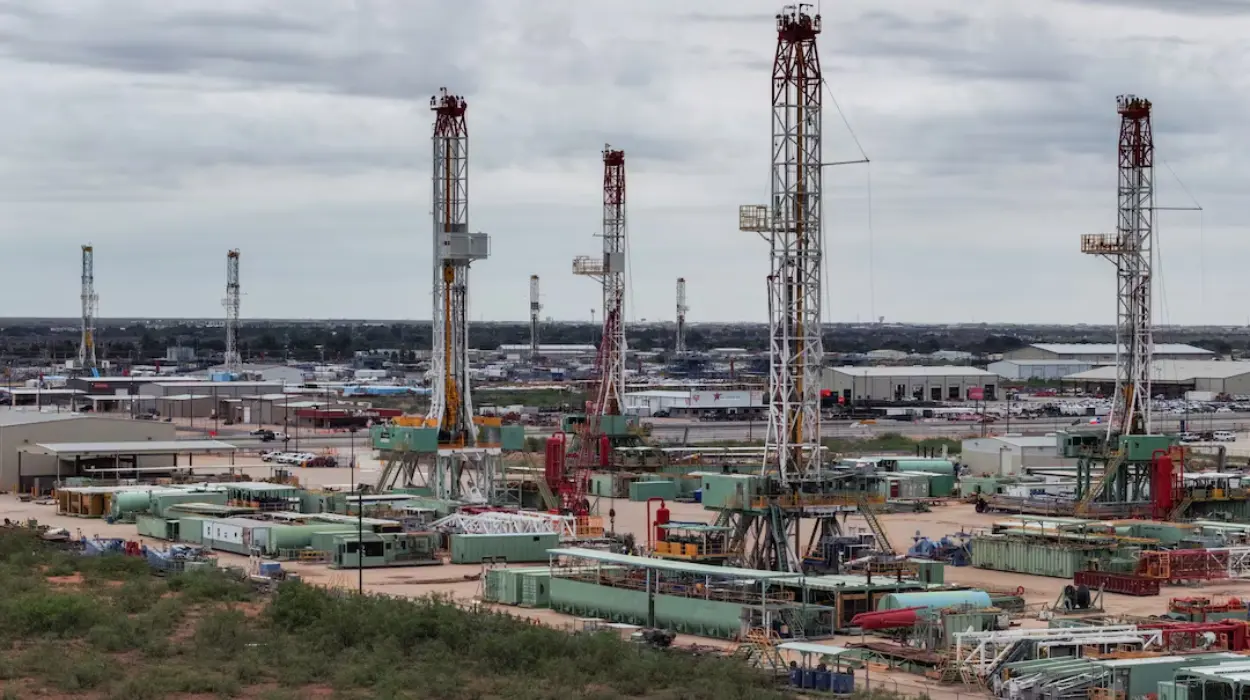
Houston (Brussels Morning Newspaper) October 12, 2026 – Official data released by the United States Bureau of Labor Statistics indicate that employment levels within the domestic oil and gas extraction sector have reached a post-pandemic low for the month of September. According to the federal figures, the contraction highlights ongoing structural adjustments across the energy industry, reflecting broader employment trends tracked nationwide by government agencies.
Overview of Bureau of Labor Statistics Figures
The latest statistical release published by the United States Bureau of Labor Statistics (BLS) details the multi-year trajectory of the domestic petroleum and natural gas workforce. Industry analysts tracking the public records noted that the workforce metrics for extraction operations have experienced fluctuating patterns over recent reporting periods, culminating in the recorded post-pandemic September low.
Federal data archives demonstrate that employment figures in this specific segment of the energy sector have undergone systematic shifts following the economic disruptions of the COVID-19 pandemic. While preceding months exhibited intermittent adjustments, the updated figures provide a comprehensive benchmark for sector-specific employment as reported by government statistical validators.
Historical Context of Energy Sector Employment
Examining historical records maintained by the Bureau of Labor Statistics reveals that the oil and gas extraction workforce has navigated a complex economic landscape over the past decade. Statistical records show that employee headcounts reached higher peaks in earlier years, such as 2016, before undergoing subsequent contractions driven by market volatility, corporate consolidation, and technological advancements.
Industry observers note that the integration of automated drilling technologies, enhanced recovery techniques, and improved operational efficiencies have enabled extraction firms to maintain or increase production volumes while operating with leaner human resource structures. Consequently, employment figures do not necessarily mirror overall production output, which has remained robust across major domestic shale basins and federal lease areas.
Industry Implications and Wider Market Responses
Energy market participants closely monitor federal employment data alongside other key macroeconomic indicators, such as rotary rig counts published by Baker Hughes and weekly petroleum inventory reports. While workforce numbers in extraction represent a specific segment of the broader energy supply chain—which also encompasses oilfield services, midstream pipeline operations, and downstream refining—they serve as a vital gauge of upstream corporate sentiment and capital allocation strategies.
Corporate disclosures across major independent operators and integrated energy firms indicate a continued emphasis on disciplined capital expenditure, shareholder returns, and operational streamlining rather than aggressive headcount expansion. These corporate strategies directly influence employment stability across primary extraction hubs located in Texas, New Mexico, Oklahoma, and the federal waters of the Gulf of Mexico.
Methodological Framework of BLS Reporting
The employment data compiled by the Bureau of Labor Statistics are derived from comprehensive surveys of business establishments and payroll records across all fifty states. These monthly figures are subject to routine revisions as more complete reporting becomes available from participating firms within the natural resources and mining supersector.
Government statisticians utilize standardized North American Industry Classification System (NAICS) codes to categorize establishments primarily engaged in operating oil and gas field properties, exploring for crude petroleum and natural gas, and recovering liquids from oil and gas field gases. The strict adherence to these standardized classifications ensures consistent longitudinal comparisons across multiple reporting cycles.
Future Outlook Based on Federal Metrics
As federal agencies continue to release monthly employment updates, energy economists and labour market researchers will evaluate whether the post-pandemic September low represents a transient seasonal trough or part of a persistent long-term structural plateau. Stakeholders across the public and private sectors continue to rely upon these verified governmental datasets to assess the macroeconomic health and human capital dimensions of the domestic energy economy.