A cartel leader killed in a 2026 security operation draws global attention.
Officials cite cross border intelligence and tactical precision.
Authorities say organized crime networks face renewed pressure.
New York United States – February 24, 2026 — Brussels Morning Newspaper confirms that a cartel leader killed during a coordinated enforcement action in 2026 has intensified international focus on organized crime suppression efforts. Authorities in New York United States disclosed that the cartel leader killed was the culmination of a multi year investigation involving cross border intelligence cooperation, financial tracking, and tactical surveillance.
Coordinated Operation Concludes Long Running Pursuit
Law enforcement officials confirmed that the cartel leader killed had been the subject of sustained surveillance for several years. Intelligence units combined digital monitoring, informant reports, and financial analysis to trace movement patterns and logistical networks tied to the organization.
Authorities stated that the operation unfolded after confirming the suspect’s location through layered intelligence verification. Tactical units executed a targeted approach designed to reduce civilian risk. During the encounter, an exchange occurred that resulted in the cartel leader killed at the scene.
Officials emphasized that procedural safeguards were followed. The operation was described as deliberate and carefully timed to minimize collateral disruption.

Intelligence Gathering and Strategic Planning
The investigation that led to the cartel leader killed relied heavily on modern analytic techniques. Digital communication intercepts, encrypted message decryption analysis, and asset tracing played significant roles in narrowing the suspect’s operational radius.
Interagency collaboration proved critical. Federal and international partners shared intelligence data to ensure coordinated response. Authorities in New York United States highlighted the importance of cross jurisdictional alignment in addressing transnational criminal structures.
A senior security official noted,
“Precision planning and interagency cooperation are essential in operations targeting organized crime leadership.”
Public Safety Measures Following the Operation
Following confirmation that the cartel leader killed had been neutralized, law enforcement agencies increased patrol presence in key districts. Officials sought to deter retaliatory actions or destabilizing activities from affiliated network members.
Community advisories encouraged calm and cooperation with authorities. Public statements stressed that security protocols remained active to maintain stability.
Local leaders emphasized that enforcement victories must be paired with community engagement and preventive programs to address long term social vulnerabilities.
Economic Impact on Criminal Networks
The cartel leader killed reportedly oversaw complex revenue streams spanning illicit trade routes and financial laundering channels. Analysts suggest that leadership removal disrupts operational command and decision making.
However, experts caution that organized crime groups often attempt rapid restructuring. Internal succession battles can temporarily destabilize networks but may also provoke short term volatility.
Financial investigation units continue tracing associated accounts and property holdings connected to the broader organization.
Legal Oversight and Accountability Framework
Operations resulting in a cartel leader killed are subject to thorough review. Independent oversight bodies examine whether enforcement actions adhered to legal standards and proportional response guidelines.
Authorities confirmed that comprehensive documentation has been submitted to relevant review agencies. Transparency measures aim to reinforce public trust in institutional processes.
Legal analysts in New York United States noted that accountability safeguards are integral to maintaining operational legitimacy.
Community Reactions and Social Considerations
Residents expressed mixed reactions to the news that a cartel leader killed during the operation had been a prominent figure in organized crime circles. Some community members described a sense of relief, while others voiced concern about potential short term instability.
Community advocacy groups reiterated the importance of economic development and educational opportunities in reducing recruitment pipelines into criminal networks.
Officials emphasized that enforcement actions must integrate broader social strategies to produce lasting outcomes.
Technology’s Role in Modern Enforcement
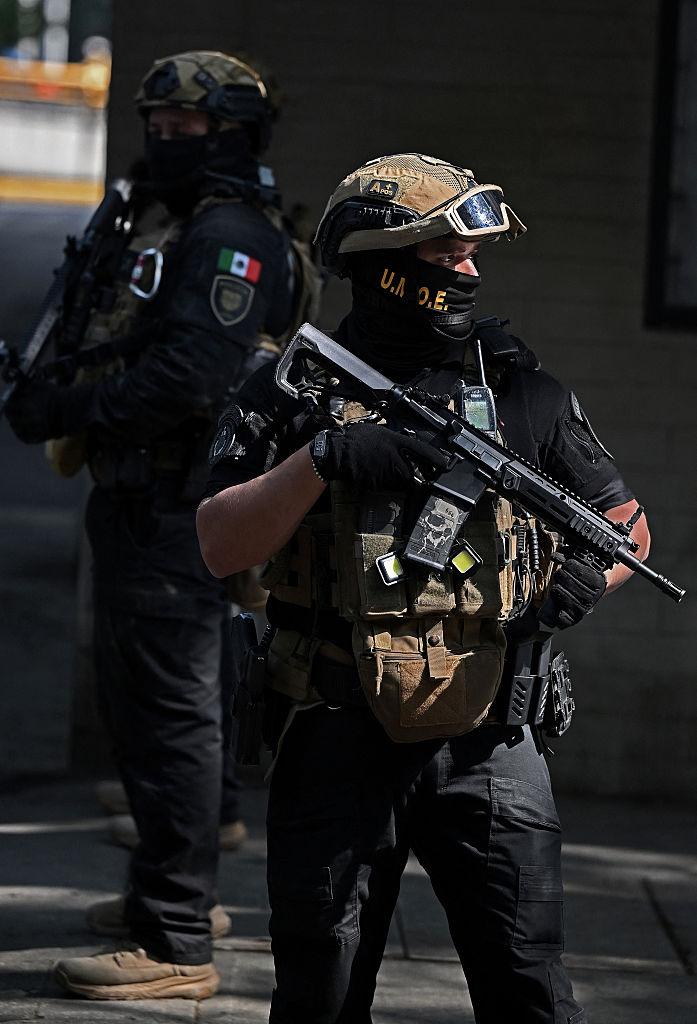
The operation leading to the cartel leader killed highlights the evolving technological landscape of crime prevention. Advanced surveillance tools, geospatial analytics, and artificial intelligence supported intelligence validation.
Law enforcement agencies increasingly invest in digital forensic capabilities to counter encrypted communication channels used by criminal groups.
Technology integration enables faster decision making and enhanced situational awareness during high risk interventions.
International Cooperation and Cross Border Strategy
Organized crime networks frequently operate beyond national boundaries. The cartel leader killed had reportedly maintained connections across multiple regions.
International cooperation frameworks facilitated information exchange and synchronized enforcement planning. Diplomatic channels and security alliances have strengthened over the past decade.
Authorities stress that dismantling transnational networks requires sustained global coordination rather than isolated operations.
Historical Context of Targeted Leadership Actions
Targeted operations against senior figures have long formed part of anti organized crime strategies. Over previous decades, similar campaigns sought to destabilize hierarchical structures by removing top leadership.
History demonstrates that while removing a central figure disrupts command chains, comprehensive structural reform remains essential.
The incident involving the cartel leader killed fits within a broader historical trajectory of strategic interventions designed to weaken entrenched criminal enterprises.
Media Coverage and Public Narrative
Media attention surrounding the cartel leader killed has focused on operational details and the broader implications for organized crime. Analysts caution that sensational headlines should not overshadow systemic challenges.
Balanced coverage provides context regarding economic, social, and political factors contributing to organized crime proliferation.
Authorities encourage measured discourse that acknowledges both tactical success and ongoing structural complexities.
Policy Implications and Strategic Review
Government officials in New York United States indicated that the cartel leader killed incident may prompt further evaluation of enforcement policies. Reviews aim to refine intelligence coordination protocols and expand prevention initiatives.
Public safety strategy increasingly integrates technology with community based outreach programs. Officials underscore that sustainable stability depends on comprehensive reform beyond enforcement alone.
Legislative discussions may address funding allocations for digital investigation units and cross border partnerships.
Global Security Implications
The removal of a high profile figure carries implications for international trafficking patterns. Authorities in neighboring jurisdictions continue monitoring potential shifts in operational routes.
Security analysts emphasize vigilance during transitional periods following leadership removal.
Coordinated international monitoring seeks to prevent displacement effects that might arise after the cartel leader killed was confirmed.
Market and Financial Oversight Considerations
Financial regulators continue examining money laundering channels linked to organized crime entities. Asset seizure proceedings may follow investigations connected to the broader network.
Disrupting financial infrastructure remains a key component of long term crime reduction strategy.
Authorities reiterate that dismantling illicit financial ecosystems is as important as neutralizing individual actors.
A Defining Chapter in Organized Crime Enforcement
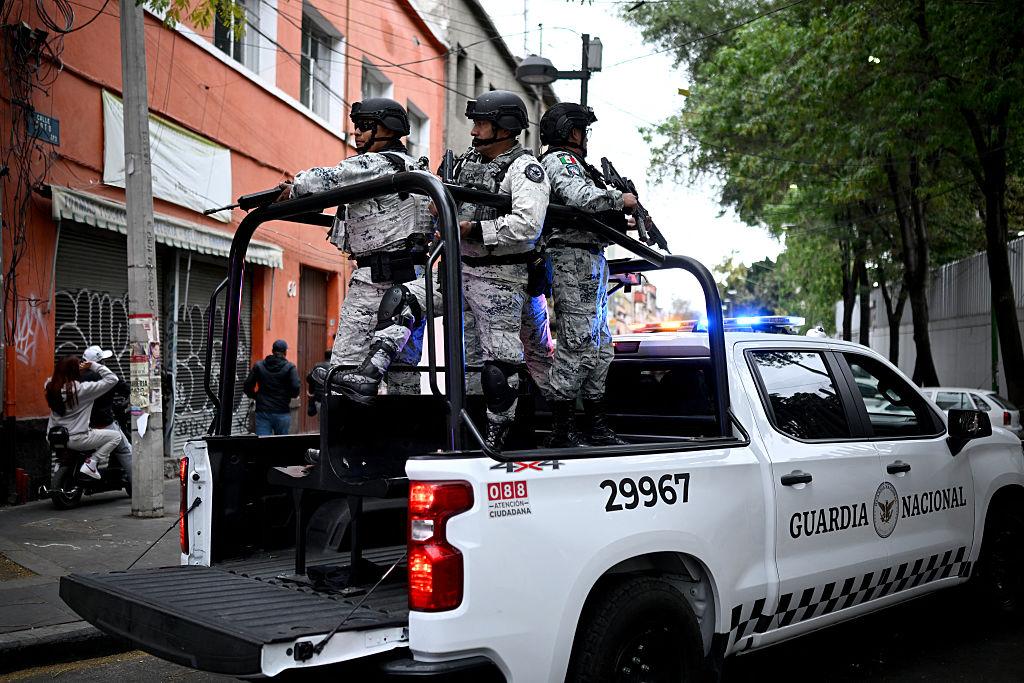
The confirmation of a cartel leader killed in 2026 represents a significant development within broader enforcement efforts. While the tactical outcome demonstrates operational precision, authorities caution that sustained engagement remains necessary.
As investigations proceed, policymakers and security professionals analyze lessons learned from this operation.
New York United States stands at a pivotal moment in evaluating how intelligence integration, community resilience, and international collaboration intersect in combating organized crime.
The events unfolding this year underscore the complexity of addressing deeply embedded criminal structures. Whether the removal of this leader leads to enduring structural change will depend on continued coordination, accountability, and strategic discipline.