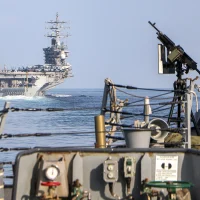
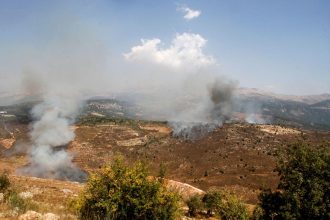
Paris, March 26, 2026 (Brussels Morning Newspaper) US Iran conflict escalation is intensifying global concern after a top counterterrorism official abruptly resigned, signaling deep unease within the security establishment as military tensions surge between the United States and Iran. The resignation comes amid urgent maritime security discussions involving naval chiefs from France, United Kingdom, and India.
- Escalation Reaches Critical Levels
- A Resignation That Sends a Warning
- Maritime Security Becomes the Frontline
- Economic Shockwaves Begin to Spread
- Military Developments Intensify Pressure
- Diplomatic Efforts Face Uncertainty
- Global Security at a Crossroads
- Internal Divisions and Strategic Debate
- What Happens Next?
- A Defining Moment in Global Security
The move reflects growing alarm over the widening scope of military operations, particularly as the conflict expands beyond land-based engagements into critical global shipping routes.
Escalation Reaches Critical Levels
The US Iran conflict escalation has entered a dangerous phase, with intensified military deployments and rising casualties across the region. Reports indicate that the United States is preparing additional troop deployments while maintaining pressure on Iranian strategic positions.
At the same time, Iran has rejected key ceasefire proposals and continues retaliatory operations, raising fears that diplomatic solutions may be slipping out of reach.
This growing confrontation has pushed global leaders to prioritize crisis management, particularly in maritime zones where tensions are now most volatile.
A Resignation That Sends a Warning
The moment of US Iran conflict escalation is underscored by the resignation of a senior counterterrorism official, a move widely interpreted as a protest against current military strategy.
According to insiders, the official had expressed concerns about the risks of prolonged warfare and unintended consequences that could destabilize not just the Middle East but global security frameworks.
One analyst stated:
“This resignation is a clear warning that internal confidence in the current strategy may be eroding as the conflict intensifies.”
Such high-level dissent is rare during active military operations, making this development particularly significant.
Maritime Security Becomes the Frontline
As the US Iran conflict escalation continues, attention has shifted toward maritime security, especially around the Strait of Hormuz—a vital artery for global energy supply.
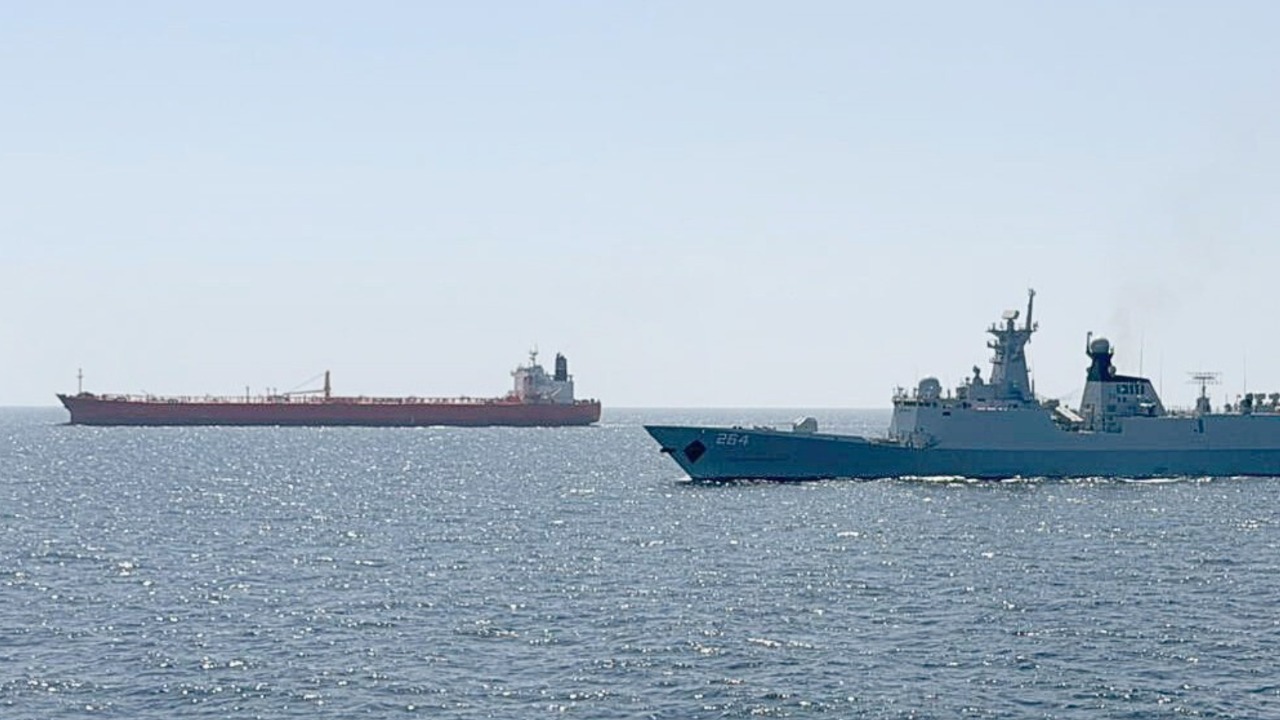
Recent attacks on shipping routes and blockades have already disrupted a significant portion of global oil transport, with some estimates suggesting that up to 20% of supply is at risk.
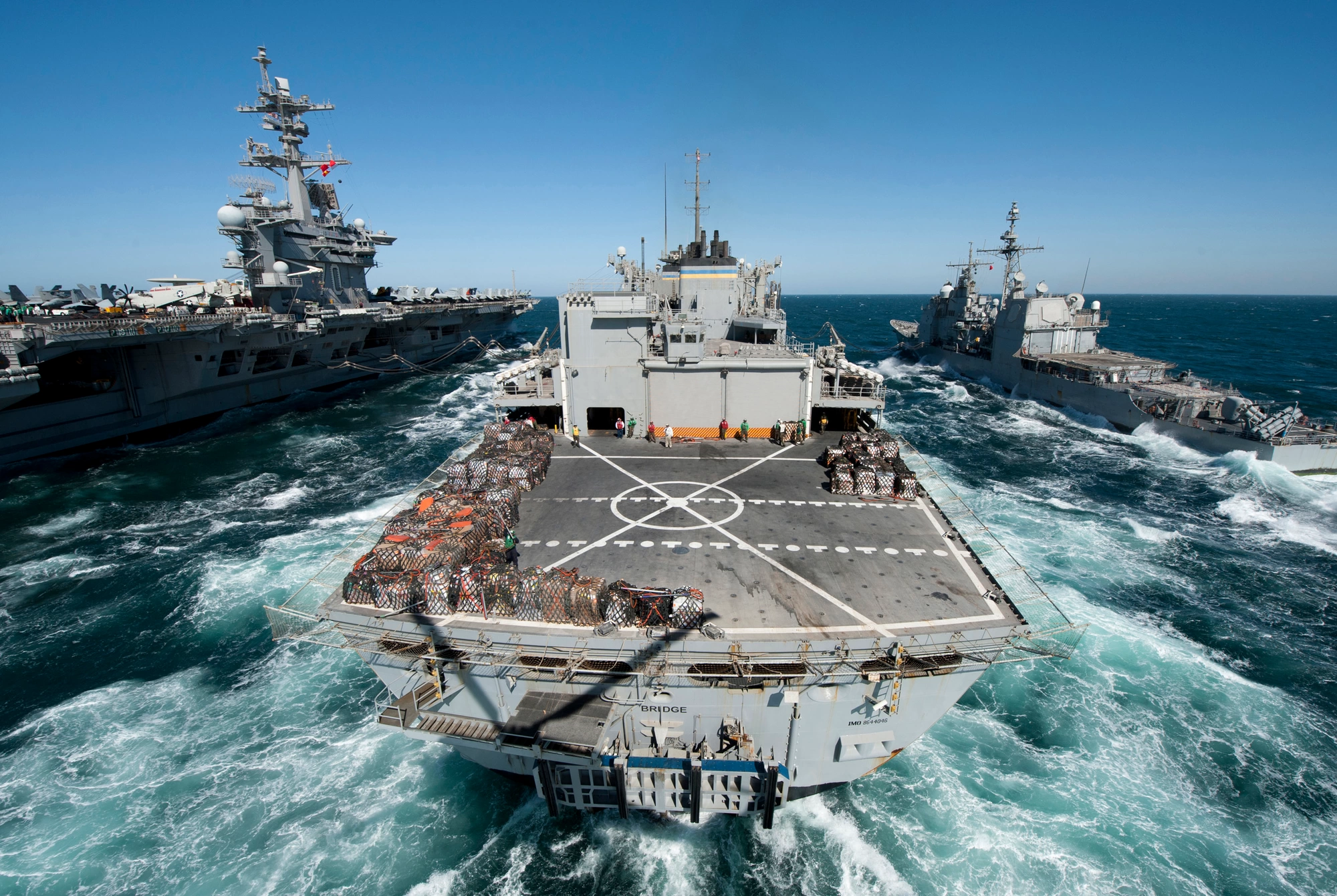
Naval forces from allied nations are now coordinating patrols and defensive operations to secure these waters, highlighting the international stakes involved.
Economic Shockwaves Begin to Spread
The economic consequences of the US Iran conflict escalation are becoming increasingly evident. Oil prices have surged sharply, while global markets have shown signs of instability amid uncertainty.
Stock markets have also reacted negatively, with major indices falling as investors weigh the risks of prolonged conflict and disrupted trade routes.
Experts warn that continued escalation could trigger a broader economic slowdown, particularly if energy supply chains remain under threat.
Military Developments Intensify Pressure
The conflict has seen significant military actions on multiple fronts. Reports indicate targeted strikes on key Iranian infrastructure, alongside retaliatory attacks affecting regional stability.
In one of the most notable developments, high-ranking military figures have been targeted, signaling an escalation in both strategy and intensity.
These actions are contributing to a rapidly evolving battlefield that is becoming increasingly difficult to contain.
Diplomatic Efforts Face Uncertainty
Despite ongoing diplomatic efforts, the US Iran conflict escalation continues to complicate negotiations. While some intermediaries are attempting to facilitate dialogue, both sides remain far apart on key demands.
Iran has labeled recent proposals as “unfair,” while the United States has warned of further consequences if agreements are not reached.
This stalemate is raising concerns that the window for peaceful resolution may be narrowing.
Global Security at a Crossroads
The resignation of a senior official during the US Iran conflict escalation highlights broader concerns about global security. Allies are reassessing their strategies, while military planners prepare for multiple scenarios, including further escalation.
The involvement of major global powers in maritime discussions reflects the scale of the crisis, which now extends far beyond regional boundaries.
Experts warn that the conflict could reshape geopolitical alliances and redefine security priorities for years to come.
Internal Divisions and Strategic Debate
The fact that the US Iran conflict escalation has triggered internal dissent suggests deeper divisions within policy-making circles.
Debates are intensifying over whether current strategies are sustainable or whether they risk triggering a wider regional war.
A former defense official remarked:
“When experienced leaders choose to step away during a crisis, it often reflects serious concerns about the path forward.”
This internal debate could influence future policy decisions and military planning.
What Happens Next?
As the US Iran conflict escalation continues, attention is turning to potential next steps, including leadership changes, military adjustments, and renewed diplomatic initiatives.
Governments are expected to increase surveillance, strengthen alliances, and prepare for a range of possible outcomes.
At the same time, calls for de-escalation are growing louder, with international organizations urging restraint to prevent further instability.
A Defining Moment in Global Security
The ongoing US Iran conflict escalation has reached a critical juncture, marked by the resignation of a top counterterrorism official and rising global tensions.
- Signals internal divisions within security leadership
- Raises risks for global energy supply and trade routes
- Intensifies military operations and economic uncertainty
- Highlights urgency of diplomatic resolution
This moment may ultimately define the trajectory of international security in 2026 and beyond.