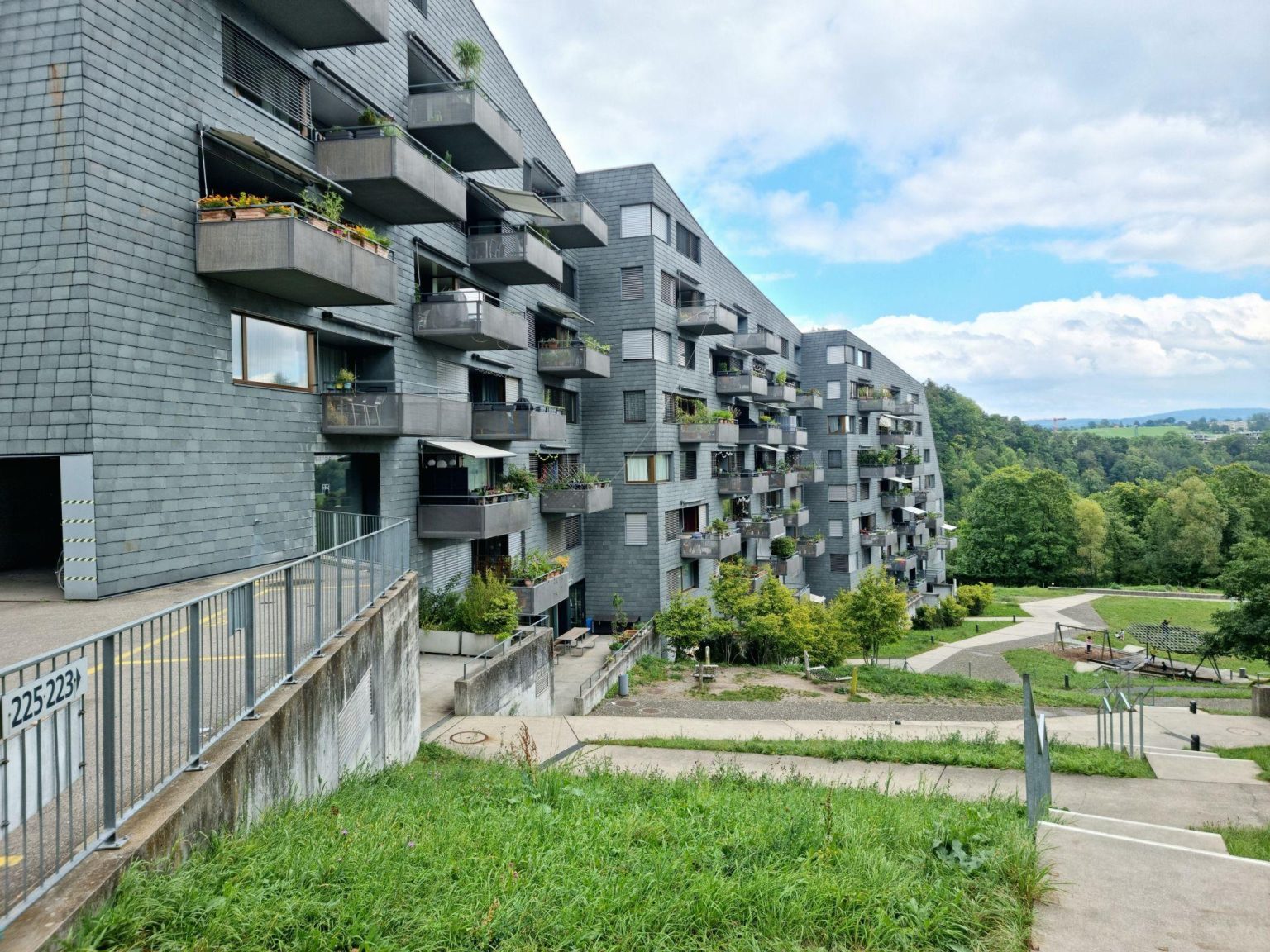
ZURICH, Switzerland – May 22 – Brussels Morning Newspaper — Switzerland housing crisis concerns are intensifying across major economic regions as rising rents, low housing supply, and continued population growth increase political pressure for tougher migration and population control policies. The issue has become one of the country’s most closely watched economic debates during 2026 as affordability problems continue affecting residents in urban centers including Zurich, Geneva, and Basel.
- Population Growth Is Increasing Housing Demand
- Why Support for Population Caps Is Rising
- Switzerland Housing Crisis 2026
- Switzerland’s Economy Depends on International Labor
- Housing Construction Faces Major Obstacles
- Younger Residents Face Increasing Financial Pressure
- Infrastructure Pressure Continues Expanding
- Political Divisions Are Deepening
- Europe Faces Similar Housing Challenges
Public frustration has grown steadily in areas where strong business expansion and labor demand have attracted increasing numbers of international workers. Many residents say housing costs are rising faster than incomes, making apartments increasingly difficult to secure even for middle-income households.
Supporters of stricter population policies argue Switzerland’s infrastructure and housing supply are struggling to keep pace with long-term growth. Critics, however, warn the country’s economy depends heavily on international labor and skilled migration.
“Housing affordability has become one of the most politically sensitive issues in Switzerland’s urban regions,”
one Zurich-based economist said.
Population Growth Is Increasing Housing Demand
Switzerland has experienced consistent population growth over recent years due to strong economic performance and international recruitment across sectors including banking, healthcare, pharmaceuticals, and technology.
Major cities continue attracting foreign workers because of high salaries, political stability, and strong employment opportunities. However, residential construction has not expanded fast enough to meet demand in several regions.
Rental vacancy rates remain extremely low in many Swiss cities, while apartment prices and mortgage costs continue climbing. The Switzerland housing crisis has therefore become both an economic and social issue as affordability challenges spread across the country.
Several municipalities have also faced opposition to large-scale housing projects due to environmental concerns and zoning restrictions, slowing new development further.
Why Support for Population Caps Is Rising
Political support for population limitation proposals has increased as frustration over overcrowding, transportation congestion, and housing shortages continues growing.
Supporters of stricter migration controls argue Switzerland’s small geographic size makes rapid population expansion difficult to sustain long term. Some political groups believe slowing migration could reduce pressure on the housing market and improve affordability.
The debate has become especially intense in economically successful regions where international hiring remains strong.
Critics of current migration levels say rising demand is overwhelming housing infrastructure and reducing quality of life for local residents. The Switzerland housing crisis is now central to broader national discussions involving economic sustainability, infrastructure investment, and long-term planning.

Switzerland Housing Crisis 2026
| Key Indicator | Current Situation |
|---|---|
| Rental Vacancy Rates | Extremely Low |
| Population Growth | Rising |
| Urban Rent Pressure | Increasing |
| Housing Construction | Limited |
| Political Debate | Intensifying |
| Migration Concerns | Growing |
| Infrastructure Pressure | High |
Switzerland’s Economy Depends on International Labor
Despite rising political pressure, Switzerland’s economy remains highly dependent on skilled international workers. Businesses across finance, healthcare, engineering, and technology sectors continue relying on foreign talent to fill labor shortages.
Business groups warn that aggressive population restrictions could reduce economic competitiveness and limit long-term growth.
Switzerland’s strong economy and global reputation continue attracting professionals from across Europe and other international markets. Economists say migration has also supported tax revenue growth, innovation, and consumer spending.
The challenge for policymakers involves balancing economic expansion with rising public concerns about housing affordability and infrastructure capacity.
“The economy benefits from international labor, but housing supply has failed to keep pace with demand,”
one labor market specialist explained.
Housing Construction Faces Major Obstacles
One of the biggest causes of the Switzerland housing crisis is the slow pace of residential development in high-demand urban areas.
Strict zoning laws, land limitations, environmental regulations, and local resistance to large-scale projects continue restricting construction activity. Rising material and labor costs have also increased pressure on developers.
Urban planners warn that without significant policy reforms, affordability challenges may worsen further during the coming years.
Some housing experts argue Switzerland needs faster approval processes, higher-density development, and transportation expansion rather than focusing only on population limits.
However, supporters of stricter migration policies insist reducing demand remains essential for stabilizing the market.
Younger Residents Face Increasing Financial Pressure
Housing affordability has become particularly difficult for younger workers and middle-income families attempting to live near major economic centers.
Many renters now spend a significant portion of their income on housing costs, while first-time buyers face extremely high property prices and stricter lending requirements.
Several surveys indicate housing concerns rank among the top economic issues for younger Swiss voters alongside inflation and healthcare costs.
The Switzerland housing crisis has therefore evolved into a broader debate about generational opportunity, living standards, and economic fairness.
Political analysts say housing affordability could become a major election issue if conditions continue deteriorating.
Infrastructure Pressure Continues Expanding
The effects of rapid population growth are extending beyond housing alone. Transportation systems, schools, healthcare services, and public infrastructure in several Swiss regions are experiencing increasing pressure.
Traffic congestion and commuter overcrowding have become more common near major employment centers. Local governments are facing growing challenges expanding infrastructure quickly enough to support long-term growth.
Supporters of population controls argue Switzerland risks damaging its quality of life if growth continues without stronger restrictions.
Others believe increased investment in public infrastructure and urban development would offer more sustainable long-term solutions.
The Switzerland housing crisis now reflects a larger European debate involving migration, economic competitiveness, and urban planning.
“The real challenge is whether infrastructure investment can keep up with economic success,”
one Swiss urban development analyst noted.
Political Divisions Are Deepening
Swiss political parties remain divided over how to solve the issue. Conservative groups generally support stricter migration policies and population management measures, while progressive and business-focused parties emphasize economic growth and housing reform.
Some lawmakers support national initiatives designed to limit population growth, while others prioritize expanding construction incentives and urban development policies.
Analysts believe affordability concerns could strongly influence future Swiss referendums and national political campaigns.
Switzerland’s direct democracy system increases the likelihood that housing and migration proposals may eventually be decided directly by voters.
Europe Faces Similar Housing Challenges
Switzerland is not alone in facing affordability pressures linked to population growth and housing shortages. Similar debates are unfolding across Europe as major cities struggle with rising rents and limited residential supply.
Rapid urbanization, immigration trends, and construction constraints continue placing pressure on housing markets globally.
However, Switzerland’s geographic limitations and strong economy make the issue particularly visible and politically sensitive.
Financial experts warn prolonged affordability problems could eventually affect workforce mobility, productivity, and economic confidence.