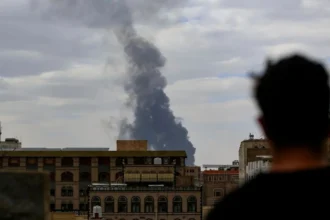
GAZA STRIP, June 15 – Brussels Morning Newspaper — Diplomatic mediation efforts remain at the center of international attention as negotiators continue working toward a ceasefire agreement following reports that four people were killed in Gaza during ongoing hostilities. The latest violence has increased pressure on regional and international mediators seeking to secure a breakthrough that could reduce tensions and improve humanitarian conditions.
Representatives from several countries and international organizations have remained engaged in talks designed to bridge differences between the parties. The discussions focus on reducing violence, improving humanitarian access, and establishing conditions that could support a longer-term cessation of hostilities.
The latest incident serves as a reminder of the challenges facing negotiators. Violence on the ground continues to complicate efforts aimed at securing an agreement, even as diplomatic channels remain active.
“Every day without a ceasefire increases the urgency for meaningful diplomatic progress,”
a regional mediator said during discussions surrounding the negotiations.
Negotiators Continue Seeking Common Ground
The current round of talks has focused on addressing key areas of disagreement while maintaining momentum toward a possible agreement. Diplomatic teams are reportedly examining issues related to security arrangements, humanitarian aid access, and mechanisms that could support compliance with any future ceasefire.
While no final agreement has been announced, officials involved in the process continue describing discussions as active and ongoing. Diplomats remain cautious about predicting outcomes, noting that negotiations involving complex conflicts often require extensive consultations and multiple rounds of engagement.
Humanitarian Concerns Remain a Priority
International aid organizations continue urging all sides to support measures that protect civilians and facilitate humanitarian assistance. Access to food, medical supplies, and essential services remains a central concern for many organizations operating in the region.
Humanitarian groups have consistently argued that any ceasefire arrangement should include provisions that allow aid deliveries to reach affected communities safely and efficiently. The continued focus on humanitarian issues has become a significant component of ongoing mediation efforts.
Regional Stability Closely Linked to Negotiations
Analysts say the success or failure of current diplomatic initiatives could influence broader regional stability. Neighboring countries and international stakeholders continue monitoring developments closely due to concerns that prolonged violence could increase instability across the region.
Many governments have publicly supported diplomatic engagement as the most effective path toward reducing tensions. The outcome of the negotiations is therefore viewed as important not only for the parties directly involved but also for wider regional security considerations.
International Attention Remains Focused on Talks
Global attention remains fixed on the ceasefire discussions as diplomats work to prevent further escalation. Governments, humanitarian organizations, and international institutions continue encouraging dialogue while emphasizing the importance of protecting civilian lives.
Although significant challenges remain, mediators have indicated that discussions will continue. The persistence of diplomatic mediation efforts reflects the widespread belief that negotiations remain the most viable avenue for reducing violence and creating opportunities for longer-term stability.