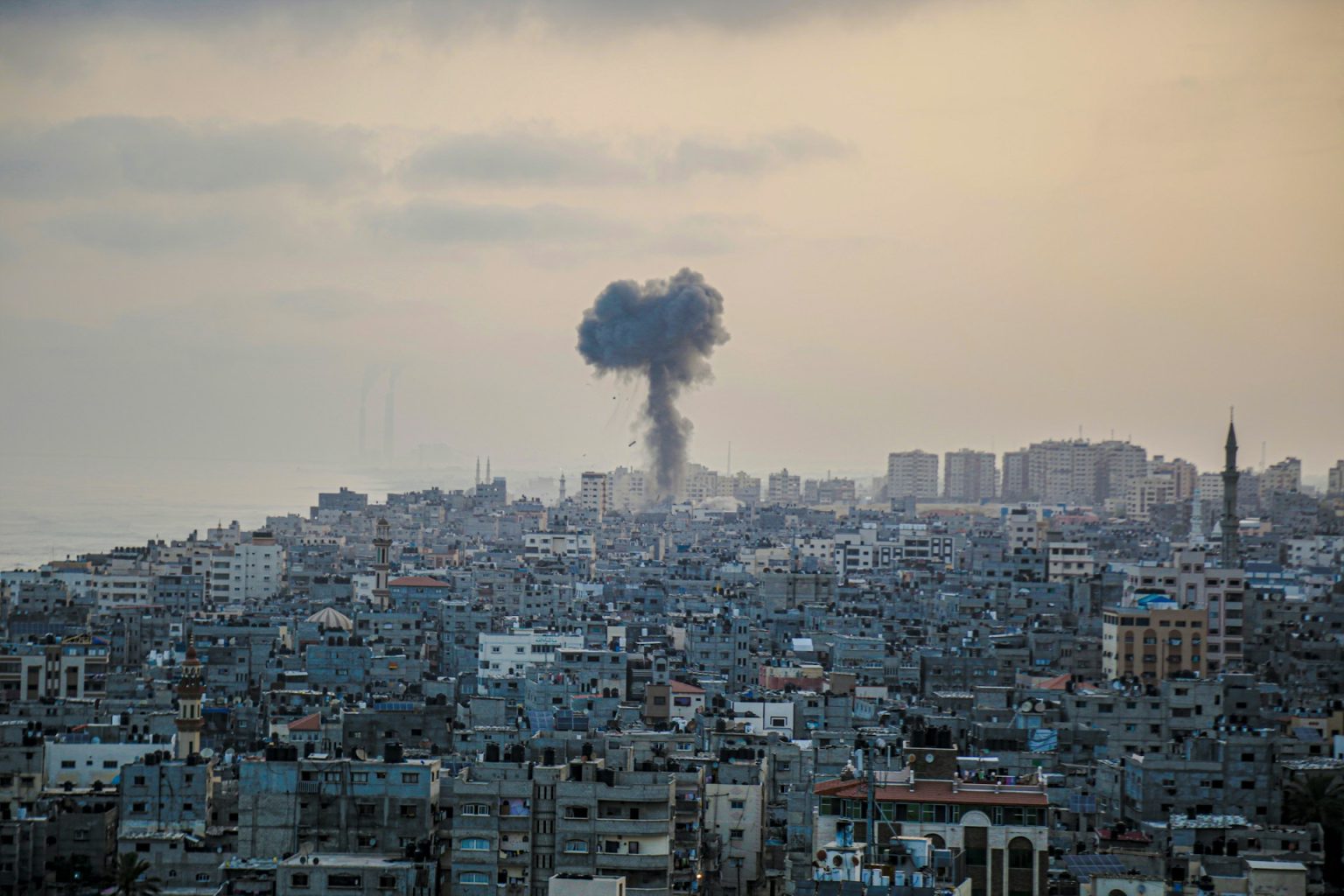
GAZA, Palestinian Territories, June 14 – Brussels Morning Newspaper — Gaza ceasefire efforts came under renewed pressure after local health authorities reported that six people were killed during Israeli military operations, even as regional and international mediators intensified attempts to revive stalled truce negotiations.
The latest deaths highlight the fragile security situation in Gaza and underscore the difficulties facing diplomats seeking to secure a temporary halt in hostilities. Despite ongoing negotiations, violence has continued in parts of the territory, complicating efforts to achieve a breakthrough that could reduce tensions and improve humanitarian conditions.
Officials involved in mediation efforts have continued discussions aimed at reaching an agreement that would lower violence levels and allow greater humanitarian access. The renewed diplomatic push comes amid growing international concern about civilian casualties and the broader impact of the conflict on regional stability.
The recent incident has added urgency to Gaza ceasefire efforts, with governments and aid organizations warning that continued violence could further worsen conditions for civilians already facing significant hardships. Humanitarian agencies have repeatedly called for expanded access to food, medical supplies, and essential services throughout Gaza.
A diplomatic source involved in regional mediation efforts said,
“All sides understand the need to reduce tensions, but reaching a sustainable agreement remains a complex challenge that requires continued engagement.”
The statement reflects the broader reality confronting negotiators. While communication channels remain open, key disagreements continue to slow progress toward a comprehensive ceasefire arrangement. Mediators have been working to bridge differences on security issues, humanitarian measures, and the broader framework for reducing hostilities.
International leaders have continued urging restraint while supporting diplomatic initiatives designed to prevent further escalation. Several governments have expressed concern that prolonged fighting could increase instability across the region and make future negotiations even more difficult.
For policymakers and analysts, the latest developments demonstrate how quickly conditions can change despite active diplomacy. The reported deaths are likely to remain a central issue in ongoing discussions as mediators attempt to maintain momentum toward a possible agreement.
The importance of Gaza ceasefire efforts extends beyond immediate security concerns. Many international organizations believe a successful truce could create opportunities for expanded humanitarian relief operations and provide a foundation for broader discussions aimed at addressing longer-term challenges.
At the same time, experts caution that achieving a durable ceasefire will require significant compromises from all parties involved. Previous negotiations have produced temporary reductions in violence but have struggled to deliver lasting solutions.
Regional observers note that the current round of talks remains one of several diplomatic efforts undertaken during the conflict. While expectations remain cautious, mediators continue to pursue options that could reduce hostilities and improve conditions on the ground.
As discussions continue, attention remains focused on whether ongoing Gaza ceasefire efforts can overcome recent setbacks and move closer to a workable agreement. For now, diplomats, humanitarian groups, and international leaders remain engaged in attempts to prevent further violence and support a path toward greater stability in the region.