
Tehran, Iran, April 13, 2026 — Brussels Morning Newspaper — Global oil shipping risks are escalating in as tensions surrounding the Strait of Hormuz continue to influence global energy markets. The narrow waterway, responsible for transporting a significant share of the world’s oil, has become a focal point for geopolitical uncertainty.
- Strait of Hormuz: A Vital Energy Artery
- Rising Tensions Increase Shipping Vulnerabilities
- Economic Impact on Global Markets
- Iran’s Strategic Advantage Amid Risks
- Diplomatic Efforts to Stabilize the Region
- Broader Implications for Global Trade
- Long-Term Outlook for Energy Security
- A Fragile Balance of Risk and Influence
Despite ongoing sanctions led by the United States Government, Iran has maintained a degree of economic resilience, largely due to its strategic position along this vital shipping route. The situation highlights how regional tensions can quickly evolve into global economic concerns.
Strait of Hormuz: A Vital Energy Artery
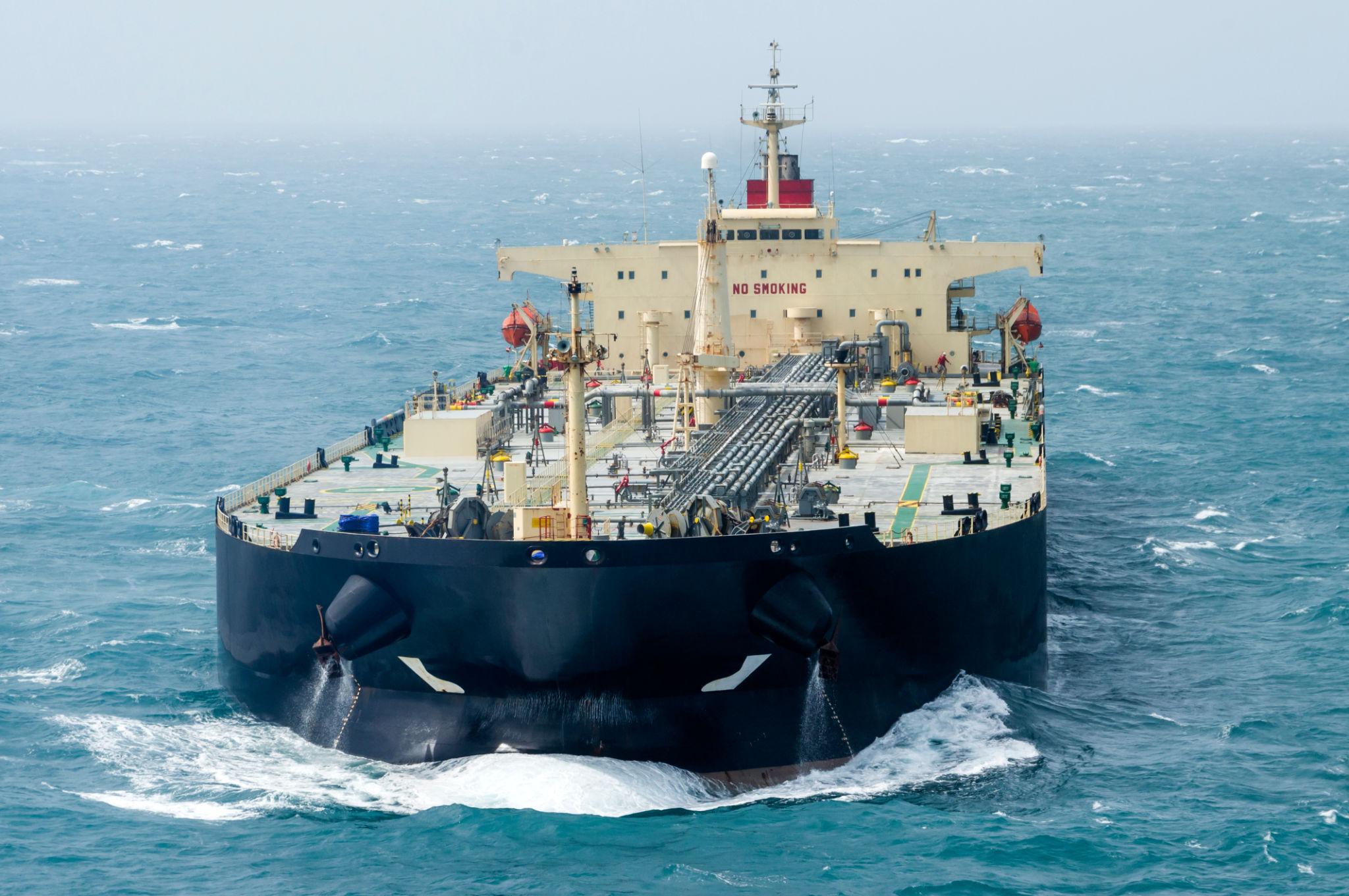
Global oil shipping risks are closely tied to the importance of the Strait of Hormuz. Nearly one-fifth of global oil supply passes through this narrow corridor, making it one of the most critical chokepoints in international trade.
Major economies such as China, India, and Japan rely heavily on uninterrupted shipments through this route. Any disruption can trigger immediate price increases and supply chain challenges.
This dependence underscores the global impact of even minor incidents in the region.
Rising Tensions Increase Shipping Vulnerabilities
Global oil shipping risks have intensified due to rising military and political tensions. Increased naval activity and security operations have created an environment where miscalculations could have serious consequences.
The presence of the Islamic Revolutionary Guard Corps adds another layer of complexity. Their monitoring of the strait reinforces Iran’s influence while also contributing to heightened alert levels.
A regional analyst stated:
“The Strait of Hormuz is not just a shipping lane—it is a pressure point. Any disruption here sends shockwaves across the global economy.”
Such warnings reflect growing concerns among industry experts and policymakers.
Economic Impact on Global Markets
Global oil shipping risks are already affecting global markets, with energy prices reacting to developments in the region. Oil price volatility has increased as traders factor in the possibility of supply disruptions.
Higher oil prices often lead to increased fuel costs, affecting transportation, manufacturing, and consumer goods. This ripple effect can contribute to inflation and slow economic growth in multiple regions.
Financial markets have also shown sensitivity to these developments, with investors closely monitoring any signs of escalation.
Iran’s Strategic Advantage Amid Risks
Global oil shipping risks also highlight Iran’s strategic advantage. While sanctions have limited its economic activity, its proximity to the Strait of Hormuz allows it to maintain influence over global energy flows.
Iran’s ability to signal potential disruptions without direct action creates a form of economic leverage. This dynamic has helped sustain its economic position despite external pressure.
Alternative trade strategies, including indirect exports and regional partnerships, further support Iran’s resilience.
Diplomatic Efforts to Stabilize the Region
Global oil shipping risks have prompted increased diplomatic activity aimed at reducing tensions. International organizations such as the United Nations continue to call for restraint and cooperation.
Efforts to secure safe passage for oil shipments remain a priority for global powers. However, achieving consensus has proven challenging due to competing interests and security concerns.
Diplomatic engagement remains essential to preventing further escalation and ensuring stability.
Broader Implications for Global Trade
Global oil shipping risks extend beyond the energy sector, affecting broader trade networks. Disruptions in oil supply can lead to increased transportation costs, impacting industries worldwide.
Supply chain challenges may also arise, particularly in regions heavily dependent on imported energy. These factors contribute to economic uncertainty and can influence policy decisions at both national and international levels.
The interconnected nature of global trade means that developments in one region can have far-reaching consequences.
Long-Term Outlook for Energy Security
Global oil shipping risks are expected to remain a key concern as geopolitical tensions persist. While efforts are being made to diversify energy sources and reduce reliance on single routes, the Strait of Hormuz continues to play a central role.
Countries are exploring alternative shipping routes and investing in renewable energy to mitigate risks. However, these transitions will take time, leaving the global economy vulnerable in the short term.
The situation underscores the importance of maintaining stability in critical trade corridors.

A Fragile Balance of Risk and Influence
Global oil shipping risks highlight the delicate balance between economic stability and geopolitical tension. The Strait of Hormuz remains a critical point of vulnerability, with the potential to influence global markets.
Iran’s strategic position provides both opportunities and challenges, allowing it to maintain relevance despite sanctions. At the same time, the risks associated with this region continue to grow.
In summary: Global oil shipping risks are a defining factor in today’s energy landscape. Ensuring stability in key transit routes will be essential to maintaining economic balance and preventing widespread disruption.