BEIRUT, Lebanon — March 13, 2026 — Brussels Morning Newspaper — A southern Lebanon strike incident has triggered alarm among humanitarian organizations and local leaders after reports of casualties and damage in a border village. The explosion, which occurred in a community close to the Israeli Lebanese frontier, has intensified fears that rising tensions in the region could once again place civilians at risk.
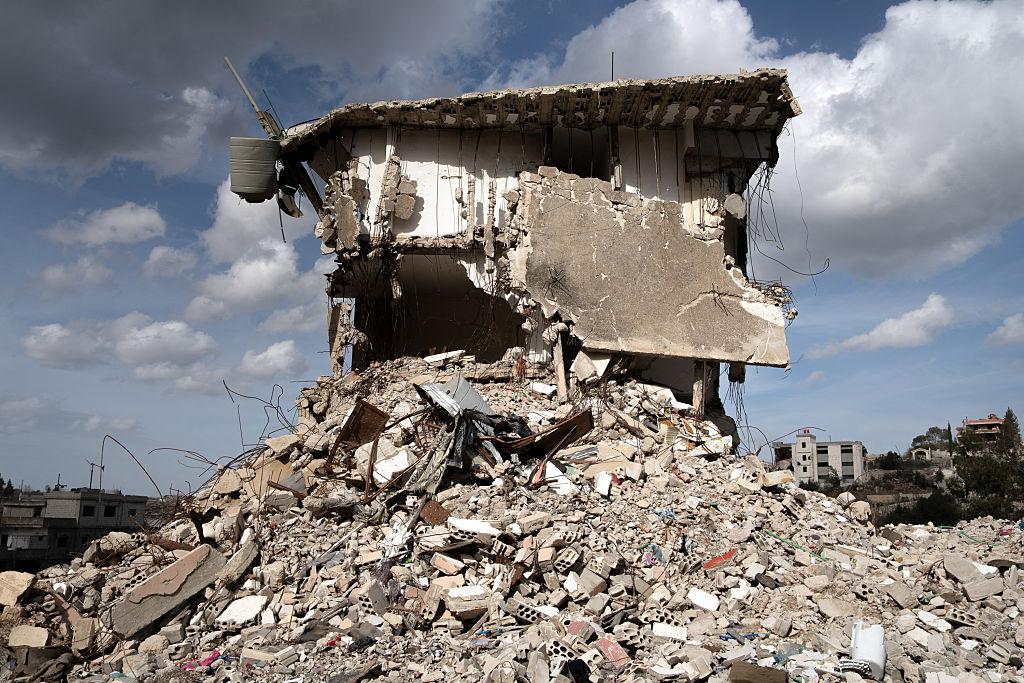
Emergency responders rushed to the affected area soon after the blast was reported, providing medical assistance and assessing the scale of destruction. Local officials say several buildings were damaged while nearby residents were forced to evacuate temporarily as safety teams secured the site.
The latest southern Lebanon strike incident comes at a time when Lebanon is already facing severe economic challenges and political uncertainty. For communities in southern Lebanon, the event has renewed concerns about how quickly security conditions can change along one of the Middle East’s most sensitive borders.
Immediate Response in the Village
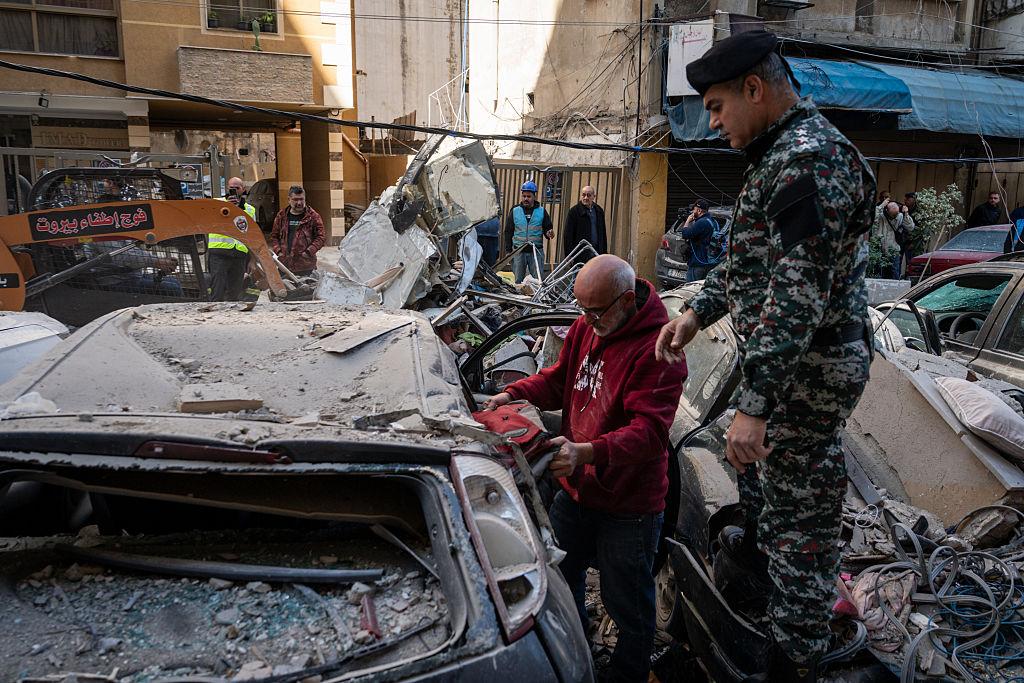
Authorities in southern Lebanon confirmed that emergency crews were deployed within minutes of the southern Lebanon strike incident. Firefighters, medical personnel, and local volunteers worked together to rescue injured residents and transport them to nearby hospitals.
Eyewitnesses described hearing a powerful blast followed by thick smoke rising above the village. Families rushed into the streets to check on neighbors and relatives, while community leaders began organizing assistance for those whose homes were damaged.
Local municipalities have been coordinating with national authorities to ensure that affected families receive immediate support. Temporary shelters and emergency supplies were arranged for residents who were unable to return to their homes following the southern Lebanon strike incident.
Officials say the full extent of structural damage is still being evaluated as engineers inspect buildings and infrastructure.
Border Communities Living With Risk
For many residents of southern Lebanon, living near the border has long meant adapting to periodic instability. The recent southern Lebanon strike incident serves as a stark reminder that geopolitical tensions can quickly disrupt everyday life.
Many villages in the region rely heavily on agriculture, with farmers cultivating olive groves, fruit orchards, and small vegetable farms. When security incidents occur, these livelihoods can be interrupted almost immediately.
Parents in the village said the strike caused fear among children who are already aware of the region’s history of conflict. Schools in nearby towns briefly closed while authorities assessed whether additional security measures were necessary.
Although life has begun returning to normal in some areas, the southern Lebanon strike incident has left residents questioning whether similar events could happen again.
Humanitarian Groups Express Concern
International humanitarian organizations have expressed concern following the southern Lebanon strike incident, noting that civilians often bear the greatest burden during periods of escalating tension.
Aid agencies say southern Lebanon already faces economic hardships due to Lebanon’s prolonged financial crisis. Rising food prices, limited job opportunities, and weakened public services have left many families vulnerable.
When incidents like the southern Lebanon strike incident occur, humanitarian groups must quickly assess whether additional assistance is needed. Medical care, food support, and temporary housing can become critical resources if families are displaced or injured.
Relief organizations are currently coordinating with local authorities to monitor conditions and ensure that emergency resources remain available.
Regional Political Implications
Political analysts say the southern Lebanon strike incident could influence regional diplomatic discussions, particularly as governments attempt to prevent further escalation along the border.
Southern Lebanon has long been considered a strategic area where security concerns intersect with complex regional politics. Even isolated incidents can draw international attention due to the risk that tensions may spread beyond local communities.
Diplomatic observers note that maintaining open communication between regional actors is essential to reducing misunderstandings and preventing additional violence.
The southern Lebanon strike incident has therefore become part of a broader conversation about how to preserve stability in a region already facing multiple geopolitical challenges.
Historical Comparisons With Previous Conflicts
The southern Lebanon strike incident has also prompted comparisons with earlier periods of conflict that shaped the region’s modern history. Southern Lebanon experienced several major confrontations in past decades, including large scale military operations that displaced thousands of civilians.
During earlier crises, entire villages were evacuated as humanitarian organizations worked to provide emergency shelters and food assistance. Infrastructure damage from those conflicts took years to repair, leaving long lasting economic and social consequences for local communities.
Residents who lived through those earlier events say the memories remain vivid. The similarities between the current southern Lebanon strike incident and previous confrontations have heightened concern that renewed instability could trigger broader humanitarian challenges.
Understanding these historical experiences helps explain why the latest strike has resonated so deeply among residents and observers alike.
Community Reaction and Local Leadership
Community leaders have urged residents to remain calm following the southern Lebanon strike incident while investigations continue. Local religious institutions and civic organizations have begun organizing assistance for families affected by the blast.
Village elders and municipal officials gathered shortly after the incident to discuss recovery efforts and coordinate support for injured residents. Volunteers distributed food, water, and blankets to those who temporarily left their homes.
One community representative described the mood in the village by saying:
“People here have endured years of uncertainty, but our community remains strong and determined to rebuild whenever tragedy strikes.”
The statement reflects the resilience often seen in border communities that have learned to adapt to difficult circumstances.
International Monitoring and Diplomatic Response
International organizations are closely monitoring developments following the southern Lebanon strike incident. Diplomatic officials say preventing further escalation is a priority for regional stability.
Several humanitarian agencies have already begun reviewing contingency plans in case additional incidents occur. Early preparation could help reduce the humanitarian impact should tensions intensify.
Global observers note that maintaining stability along the Israel Lebanon border is essential for both regional security and civilian protection. The southern Lebanon strike incident has therefore prompted renewed calls for dialogue and restraint among all parties involved.
Diplomatic engagement remains one of the most important tools for preventing isolated events from escalating into larger confrontations.
Daily Life Resumes Under Cautious Watch
Despite the shock caused by the southern Lebanon strike incident, many residents are gradually returning to their daily routines. Farmers have begun tending their fields again, and local markets reopened as families attempted to restore a sense of normal life.
Children returned to schools while teachers reassured them that authorities are working to maintain safety in the region. For communities accustomed to uncertainty, resilience remains a defining characteristic.
Yet the memory of the southern Lebanon strike incident continues to influence conversations across the village. Families are discussing emergency plans and staying alert to new developments along the border.
Residents say they hope diplomacy will reduce tensions so that their communities can focus on rebuilding and economic recovery.
When a Village Refuses to Be Defined by Conflict
The aftermath of the southern Lebanon strike incident reveals both the vulnerability and strength of communities living near the border. While the blast brought fear and destruction, it also highlighted the solidarity among neighbors who quickly came together to help one another.
Local volunteers assisting injured residents, families offering shelter to displaced neighbors, and community leaders organizing recovery efforts all demonstrate the resilience that defines life in southern Lebanon.
As the region watches closely for signs of stability, the people of this village continue rebuilding their homes and their sense of security. Their determination serves as a reminder that even in areas shaped by geopolitical tension, the human spirit often remains stronger than the conflict surrounding it.