
Isfahan, Iran — March 27, 2026 — Brussels Morning Newspaper — The escalation of Isfahan protests is reshaping the atmosphere across one of Iran’s most historically and economically significant cities. Demonstrations have intensified in recent days, with growing numbers of residents taking to the streets amid rising frustration tied to economic hardship and declining living conditions.
The scale of public gatherings suggests that the situation is no longer limited to isolated incidents. Instead, the movement reflects a broader shift in sentiment, as communities express concerns about financial pressure and long term uncertainty. Observers note that the Isfahan protests are unfolding at a time when economic strain is being felt across multiple sectors, increasing the urgency behind public demonstrations.
Economic Hardship at the Core of Public Anger
Economic pressure is widely seen as the driving force behind the Isfahan protests. Inflation has continued to impact daily life, with rising costs affecting essential goods and services. Many households are facing increasing difficulty in maintaining stability as expenses grow faster than income.
The pressure is not limited to one segment of society. Workers, small business owners, and families alike are feeling the effects. Reduced purchasing power and limited employment opportunities have contributed to a growing sense of frustration. This environment has created the conditions for public demonstrations to gain traction.
Participants in the Isfahan protests frequently point to financial challenges as a central issue. The cost of living has become a unifying concern, bringing together individuals from different backgrounds under a shared sense of urgency.
Labor Movement Adds Strength to Demonstrations
Labor participation has significantly influenced the trajectory of the Isfahan protests. Workers from multiple industries have joined the demonstrations, highlighting concerns related to wages, job security, and working conditions.
Strikes have added structure and visibility to the movement. By aligning economic grievances with organized action, participants have amplified their message. This convergence has strengthened the protests and expanded their reach.
The involvement of labor groups suggests that the issues driving the Isfahan protests extend beyond immediate concerns and reflect deeper structural challenges within the economy.
Expansion Across Urban Districts
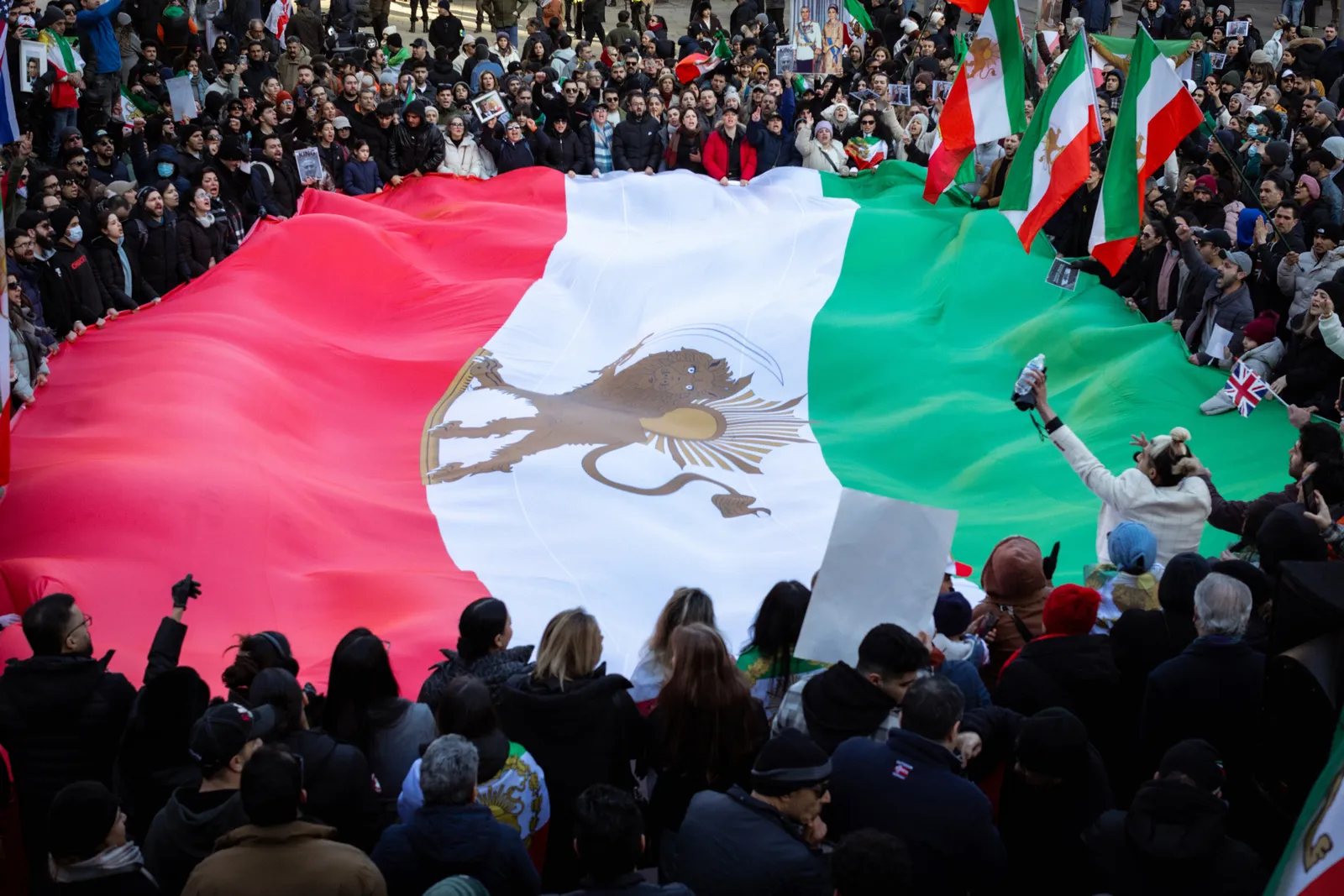
The geographic spread of the Isfahan protests has become increasingly noticeable. Demonstrations are no longer confined to a single area but are occurring across various districts within the city.
Public spaces, including central streets and commercial zones, have seen increased activity. The visibility of large gatherings has drawn attention to the scale of the movement.
Observers note that coordination among participants has improved, allowing demonstrations to maintain momentum. This level of organization has contributed to the sustained presence of protests across the city.
Security Presence and Official Measures
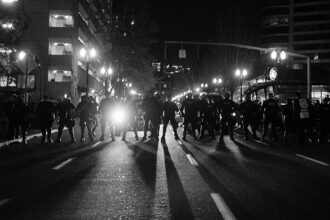
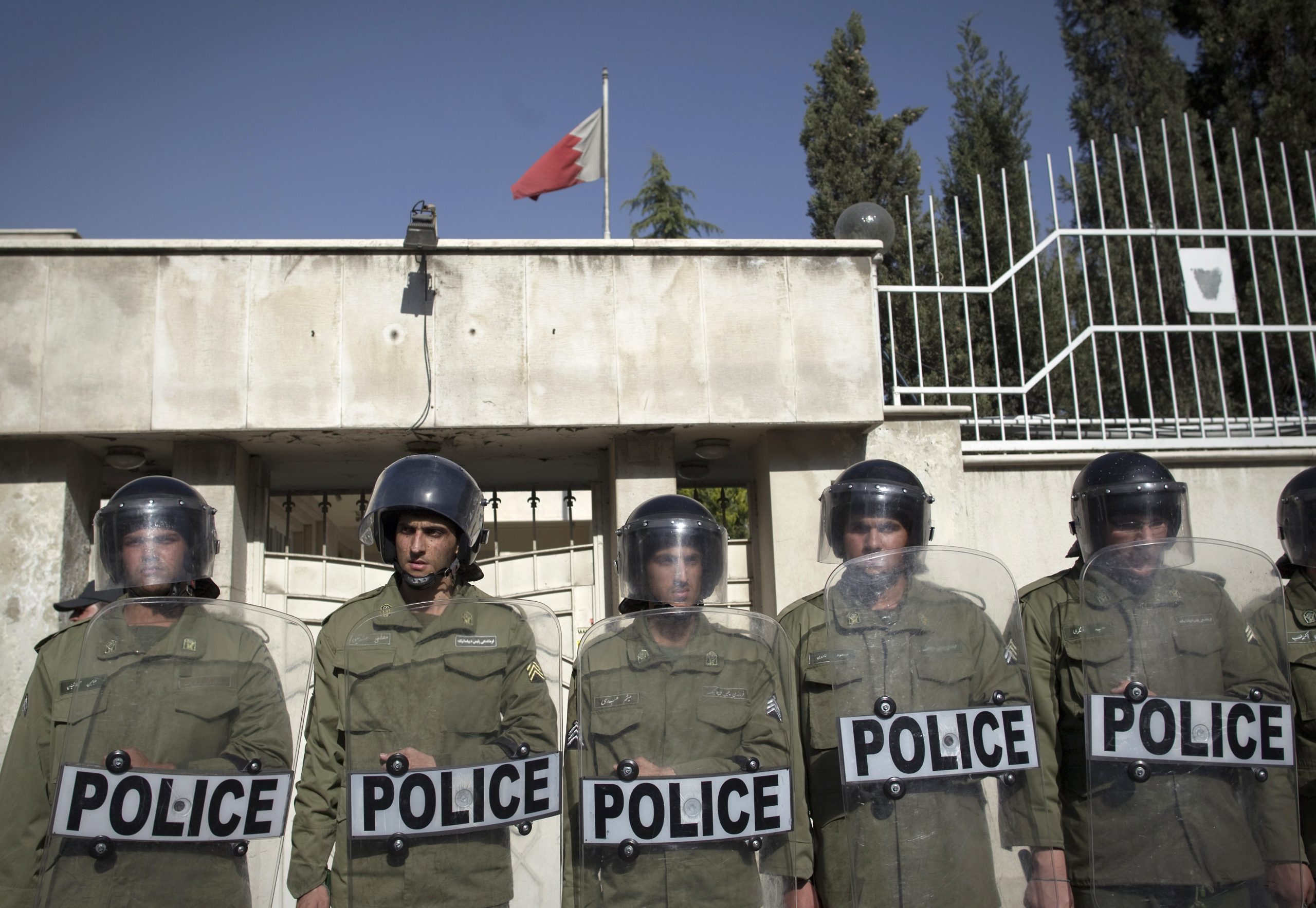
Authorities have responded to the Isfahan protests by increasing security measures throughout key areas. Law enforcement personnel have been deployed to monitor activity and manage public gatherings.
Actions reportedly include increased patrols, surveillance, and efforts to control crowd movement. These measures reflect concerns about maintaining order as demonstrations continue.
While authorities aim to stabilize the situation, the visibility of security forces underscores the seriousness of the unrest.
Public Sentiment Reaches Critical Levels
The emotional intensity surrounding the Isfahan protests is evident in the voices of participants. Many individuals describe a sense of frustration that has been building over time.
One protester stated:
“People are extremely angry, and they feel like their voices are no longer being heard.”
This statement reflects a broader sentiment within the city, where dissatisfaction has reached a level that is now being expressed publicly.
Daily Life Disrupted Across the City
The ongoing Isfahan protests are having a noticeable impact on daily life. Residents report disruptions to transportation, business operations, and routine activities.
Shops have experienced temporary closures, while traffic congestion has increased in areas where demonstrations are taking place. Public transportation services have also faced delays.
These disruptions highlight how the protests are affecting not only those participating but also the broader community.
Growing Attention Beyond Isfahan
The developments surrounding the Isfahan protests have attracted attention beyond the city. National and international observers are closely monitoring the situation due to its potential implications.
Iran’s role in regional dynamics means that internal developments can influence broader geopolitical considerations. As a result, the situation in Isfahan is being watched carefully by policymakers and analysts.
Historical Perspective on Civil Unrest in Iran
The Isfahan protests can be viewed within a broader historical context of civil unrest in Iran. Over the years, economic challenges and social pressures have led to periodic demonstrations across the country.
While each instance of unrest has unique elements, common themes often include financial hardship and calls for change. These recurring patterns provide insight into the current situation.
Understanding this context helps explain why the protests are gaining momentum.
Expert Analysis on Escalating Tensions
Experts analyzing the Isfahan protests emphasize the importance of addressing underlying economic concerns. They note that prolonged financial pressure can lead to sustained unrest.
One analyst observed:
“When economic challenges persist without clear solutions, public frustration tends to grow and manifest in visible ways.”
This perspective highlights the connection between economic conditions and social stability.
Potential Outcomes and Future Direction
The future of the Isfahan protests remains uncertain. Several potential scenarios could influence how the situation develops.
These include the possibility of expanded demonstrations, increased government intervention, or efforts toward dialogue and resolution. Each scenario carries implications for both the city and the broader region.
As events continue to unfold, observers will be watching closely for signs of change.
Regional Implications and Strategic Concerns
The impact of the Isfahan protests extends beyond local boundaries. Developments within Iran can influence regional stability and international relations.
Countries with economic and political ties to Iran are monitoring the situation, recognizing that internal changes can have broader effects.
This adds another layer of significance to the events unfolding in Isfahan.
A Defining Chapter in Isfahan’s Modern History
The Isfahan protests may ultimately represent a defining moment for the city. The scale and intensity of the demonstrations suggest that underlying issues are reaching a critical point.
As residents continue to express their concerns, the outcome of this period will shape the future direction of the city. The balance between public expression and official response will play a key role.
When Streets Become the Voice of the People
The Isfahan protests illustrate how public spaces can become platforms for collective expression. As individuals gather to share their concerns, the streets of the city have taken on a new significance.
This transformation reflects a broader dynamic where communities seek to make their voices heard during times of uncertainty.
What happens next will depend on how both authorities and citizens respond to the challenges ahead.