Israel — March 27, 2026 — Brussels Morning Newspaper — The latest developments surrounding Israel casualties 24 hours indicate a significant escalation in injuries, as emergency services respond to a surge of incidents across multiple regions. Authorities confirm that hundreds of individuals have required medical attention within a short timeframe, intensifying concerns about the stability of the situation.
The increase in Israel casualties 24 hours highlights the severity of recent events and underscores the challenges facing healthcare systems and first responders. As the situation evolves, officials continue to monitor developments closely while prioritizing immediate response efforts.
Emergency Response Systems Under Intense Pressure
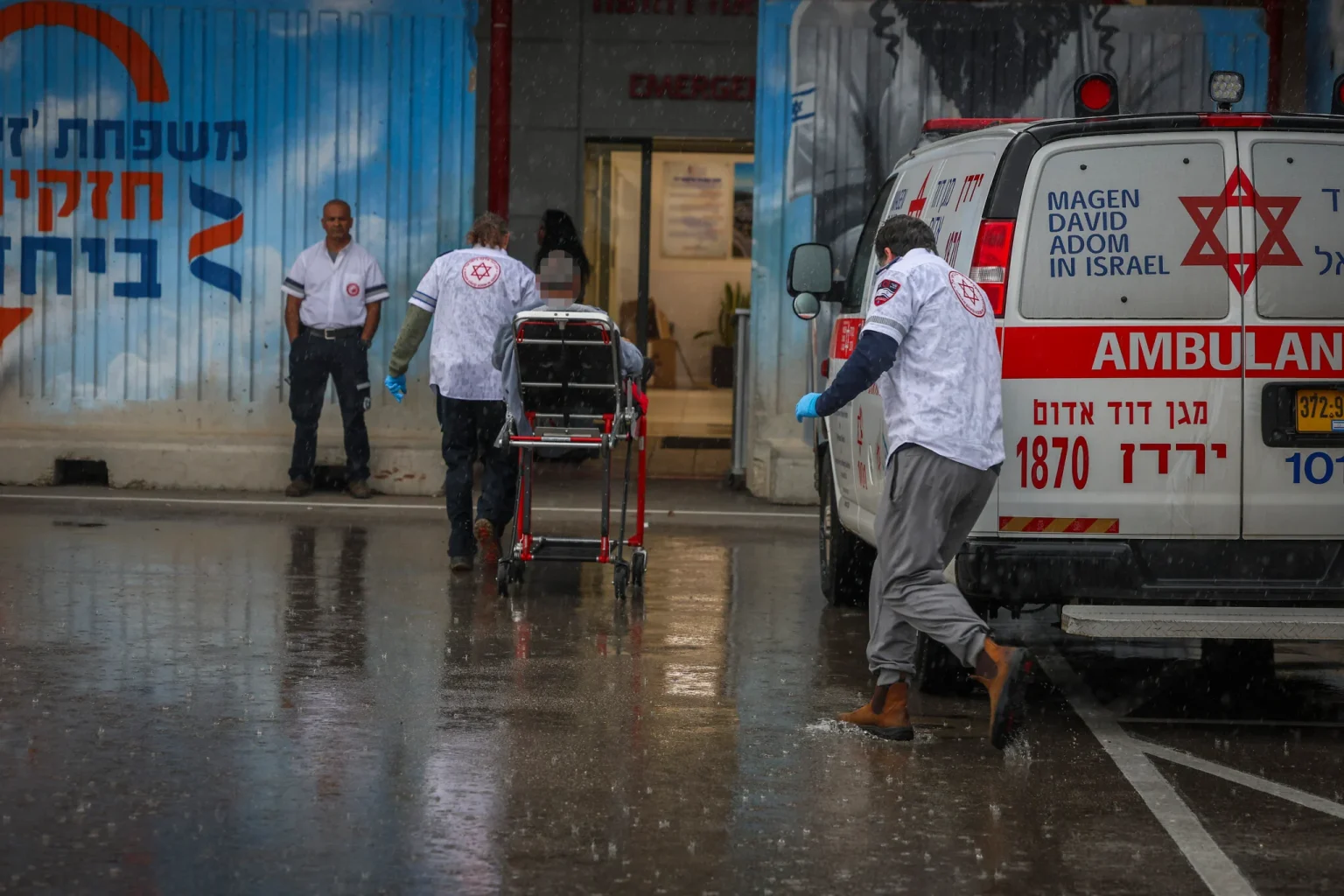
Emergency response teams have been operating at full capacity as the Israel casualties 24 hours situation unfolds. Ambulances, paramedics, and rescue units have been dispatched rapidly to affected areas, ensuring that injured individuals receive timely care.
Coordination between agencies has been critical in managing the growing number of incidents. Response centers are working around the clock, directing resources where they are most needed.
The scale of the Israel casualties 24 hours has placed unprecedented pressure on emergency infrastructure, requiring continuous adaptation.
Hospitals Struggle to Manage Patient Surge
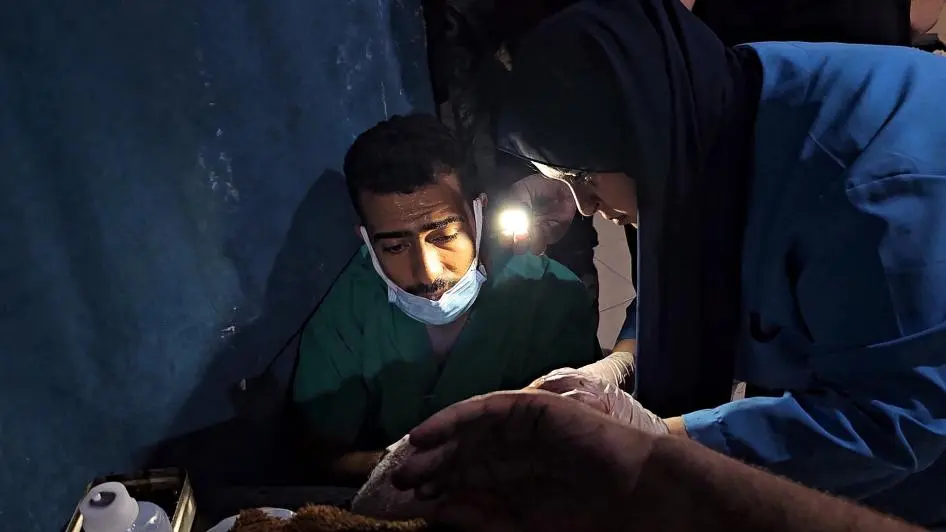
Healthcare facilities are experiencing significant strain as the Israel casualties 24 hours increase. Emergency rooms are handling a high volume of patients, ranging from minor injuries to critical cases.
Medical staff are working extended hours, with additional resources being mobilized to meet demand. The ability of hospitals to respond effectively is essential in reducing the overall impact of the situation.
Despite these efforts, the surge in Israel casualties 24 hours continues to challenge the capacity of healthcare systems.

Public Safety Measures Strengthened Nationwide
Authorities have implemented enhanced safety measures in response to the rise in Israel casualties 24 hours. Residents are urged to remain alert and follow official guidance to minimize risks.
Safety protocols include increased security presence, public alerts, and monitoring of high risk areas. These measures aim to protect communities while allowing emergency services to operate efficiently.
The situation remains dynamic, requiring ongoing vigilance.
Impact on Daily Life and Economic Activity
The rise in Israel casualties 24 hours has had a noticeable impact on daily life. Communities are experiencing disruptions as individuals adjust to changing conditions.
Businesses have reported temporary closures, while transportation systems face delays. Public spaces are seeing reduced activity as safety concerns influence behavior.
These changes reflect the broader implications of the situation beyond immediate injuries.
Government Coordination and Strategic Response
Government agencies are coordinating efforts to address the challenges associated with Israel casualties 24 hours. Security forces have been deployed to maintain stability, while emergency services focus on immediate needs.
Officials are evaluating strategies to manage the situation effectively, balancing short term response with longer term considerations.
The coordination of resources remains a key factor in addressing the evolving circumstances.
Human Impact Beyond the Numbers
While statistics highlight the scale of Israel casualties 24 hours, the human impact extends far beyond numerical data. Individuals and families are facing emotional stress as they navigate uncertainty.
Support systems, including community networks and counseling services, are playing an important role in helping those affected cope with the situation.
Understanding the human dimension is essential in assessing the full impact of recent developments.
International Focus and Global Reactions
The increase in Israel casualties 24 hours has drawn attention from the international community. Observers are closely monitoring developments due to their potential implications.
Global leaders and organizations are expected to respond as the situation evolves. The interconnected nature of global events means that regional developments can have wider effects.
Historical Context of Rapid Escalations in the Region
The current rise in Israel casualties 24 hours can be better understood within the broader history of conflict in the region. Past escalations have often followed similar patterns, with rapid increases in casualties and heightened tension.
These historical precedents provide insight into how such situations develop and the challenges involved in managing them.
Understanding this context is crucial for evaluating the present circumstances.
Expert Analysis on Escalating Conditions
Experts analyzing the Israel casualties 24 hours emphasize the importance of effective response strategies. They highlight the need for coordination among agencies to manage both immediate and long term challenges.
One analyst noted:
“The speed at which casualties increase in these situations requires a response system that is both flexible and resilient.”
Another expert added:
“Stability depends not only on immediate actions but also on the ability to address underlying factors.”
These perspectives underscore the complexity of the situation.
What the Next 24 Hours Could Bring
The trajectory of the Israel casualties 24 hours remains uncertain, with several factors influencing future developments. Authorities are preparing for various scenarios, including potential increases in incidents.
Key considerations include the effectiveness of response measures, public safety compliance, and overall stability. The coming period will be critical in shaping outcomes.
Regional Implications and Strategic Concerns
The rise in Israel casualties 24 hours has implications beyond national borders. Regional stability may be affected as neighboring areas monitor developments.
Policymakers are considering the broader impact, recognizing that internal situations can influence external dynamics.
This adds another layer of complexity to the unfolding events.
A Defining Test of Preparedness and Resilience
The ongoing situation surrounding Israel casualties 24 hours represents a test of preparedness for both emergency services and government agencies. The ability to respond effectively will influence the overall impact.
As resources are mobilized and strategies are implemented, the focus remains on minimizing harm and restoring stability.
When Time Becomes the Most Critical Factor
The Israel casualties 24 hours situation highlights how quickly conditions can change in times of crisis. Each moment brings new challenges, requiring immediate and coordinated responses.
The ability to adapt and respond effectively will determine how the situation evolves. As events continue to unfold, the importance of preparedness and resilience remains clear.