Jerusalem, Israel — March 16, 2026 — Brussels Morning Newspaper — Tensions in the Middle East intensified after a missile strike near Jerusalem triggered security alerts across the region. Officials confirmed that the incident is being closely examined as part of the growing Iran Israel conflict escalation, raising concerns about a potential expansion of hostilities.
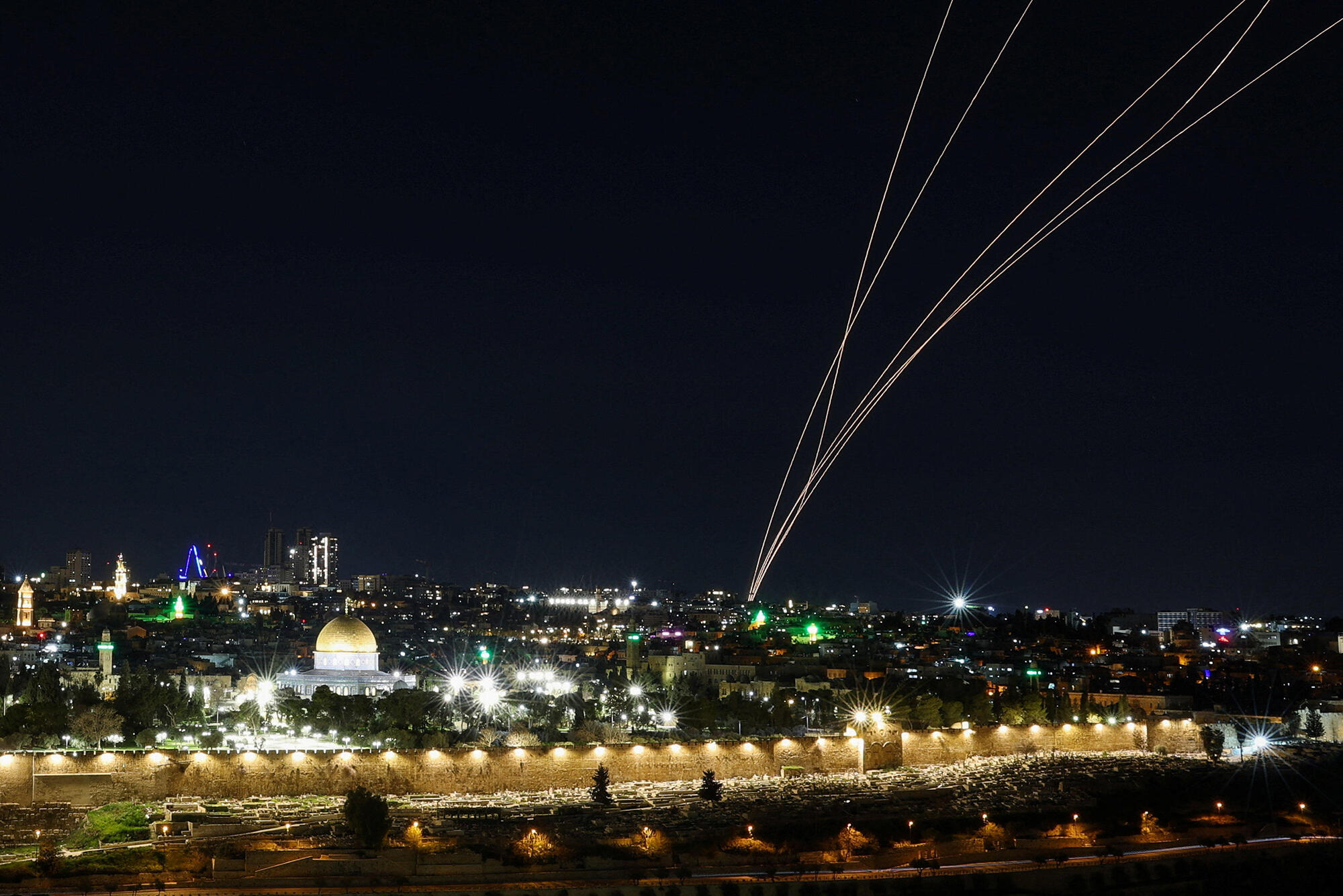
Emergency sirens sounded across Jerusalem shortly before air defense systems were activated to intercept incoming projectiles. Residents rushed to protected shelters as military officials tracked the missile approaching Israeli territory.
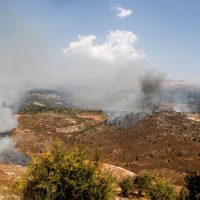
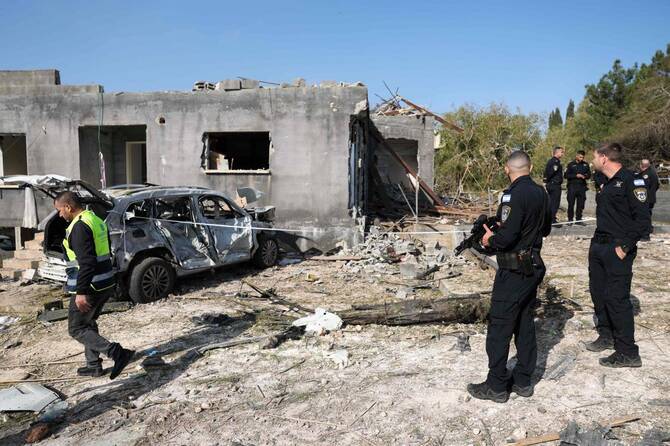
Initial reports indicated that the missile landed in an open area outside the central population zone. Although structural damage was limited, the event heightened fears among residents and security officials about the implications of the ongoing Iran Israel conflict escalation.
Emergency teams quickly secured the impact site while military investigators began examining debris to determine the origin and technical characteristics of the projectile.
Israeli air defense systems respond quickly
Israel’s advanced air defense network responded immediately once radar systems detected the incoming threat linked to the Iran Israel conflict escalation.
Iron Dome interceptor missiles were launched within seconds in an attempt to destroy the projectile before it could reach heavily populated areas. Witnesses reported hearing multiple explosions in the sky as defensive interceptors engaged the missile.
Military officials later confirmed that the rapid response helped prevent greater damage. Even so, the incident demonstrated how quickly the Iran Israel conflict escalation can threaten major population centers.
Security forces sealed off the area surrounding the suspected impact zone as bomb disposal teams collected missile fragments that could help identify the source of the attack.
Authorities also increased security patrols around strategic locations throughout Jerusalem following the incident.
Regional tensions continue to intensify
The missile incident reflects the growing instability across the Middle East as geopolitical rivalries deepen. Analysts say the attack is another signal that the Iran Israel conflict escalation may be entering a more dangerous phase.
For years, the confrontation between Iran and Israel has largely unfolded through proxy conflicts, cyber operations, and indirect military engagements. However, events such as missile launches near major cities suggest that the Iran Israel conflict escalation could increasingly involve direct military exchanges.
Security analysts warn that continued hostilities could encourage retaliatory actions that might pull additional regional actors into the confrontation.
Several neighboring governments have already placed military units on heightened alert while monitoring developments related to the Iran Israel conflict escalation.
Historical comparison with earlier Middle East crises
Historical precedents offer valuable insight into the current Iran Israel conflict escalation. Similar periods of tension in the Middle East have occurred in previous decades when missile threats and military confrontations raised fears of broader conflict.
During earlier crises in the region, governments strengthened missile defense systems and civil defense protocols to prepare for possible attacks. Those events demonstrated how rapidly regional disputes could escalate when rival powers exchanged military signals.
Although today’s technology and surveillance systems are far more advanced, analysts note that the strategic logic behind the Iran Israel conflict escalation remains similar to earlier confrontations involving deterrence, retaliation, and political messaging.
Understanding these historical patterns helps policymakers evaluate the risks associated with the present situation and consider diplomatic strategies to reduce tensions.
International leaders call for restraint
Governments around the world reacted quickly after reports of the missile strike began circulating. Diplomatic leaders emphasized the importance of preventing further violence connected to the Iran Israel conflict escalation.
International organizations urged both sides to avoid actions that could deepen the crisis and destabilize the region.
One security official addressing the situation said,
“Any expansion of hostilities could threaten stability across the Middle East and must be addressed through urgent diplomatic engagement.”
The statement highlights growing international concern that the Iran Israel conflict escalation could have serious consequences for global security and economic stability.
Diplomatic discussions are reportedly underway as several governments attempt to ease tensions and prevent additional military incidents.
Civilian life disrupted in Jerusalem
While the missile landed outside densely populated neighborhoods, the incident had a strong psychological impact on residents throughout Jerusalem.
Families rushed to shelters after hearing emergency sirens connected to the Iran Israel conflict escalation. Schools temporarily paused evening activities while authorities assessed the security situation.
Local emergency services remained on standby for several hours to ensure public safety in case additional threats emerged.
City officials later confirmed that early warning systems and emergency response protocols worked effectively, helping protect civilians during the Iran Israel conflict escalation.
Nevertheless, many residents remain concerned about the possibility of further attacks as regional tensions remain high.
Strategic implications for Middle East security
Security experts believe the continuing Iran Israel conflict escalation could reshape the geopolitical landscape of the Middle East.
If tensions continue to rise, governments across the region may increase military deployments and strengthen defense alliances. Strategic infrastructure such as energy facilities and shipping routes could also become more heavily protected.
Global markets are closely monitoring developments because instability linked to the Iran Israel conflict escalation could influence energy prices and international trade routes.
Analysts emphasize that diplomatic engagement will likely play a critical role in determining whether the situation stabilizes or deteriorates further.
A turning point that could shape the region’s future
The missile incident near Jerusalem may represent a critical moment in the evolving Iran Israel conflict escalation.
Military readiness remains high throughout the region as governments evaluate their next steps. Intelligence agencies are continuing to analyze missile debris and surveillance data to determine the exact circumstances of the launch.
Many observers believe the coming days will be decisive in determining whether tensions ease or intensify further.
For now, the situation remains uncertain, but the Iran Israel conflict escalation has once again highlighted how fragile regional stability can be when long standing rivalries intersect with modern military capabilities.