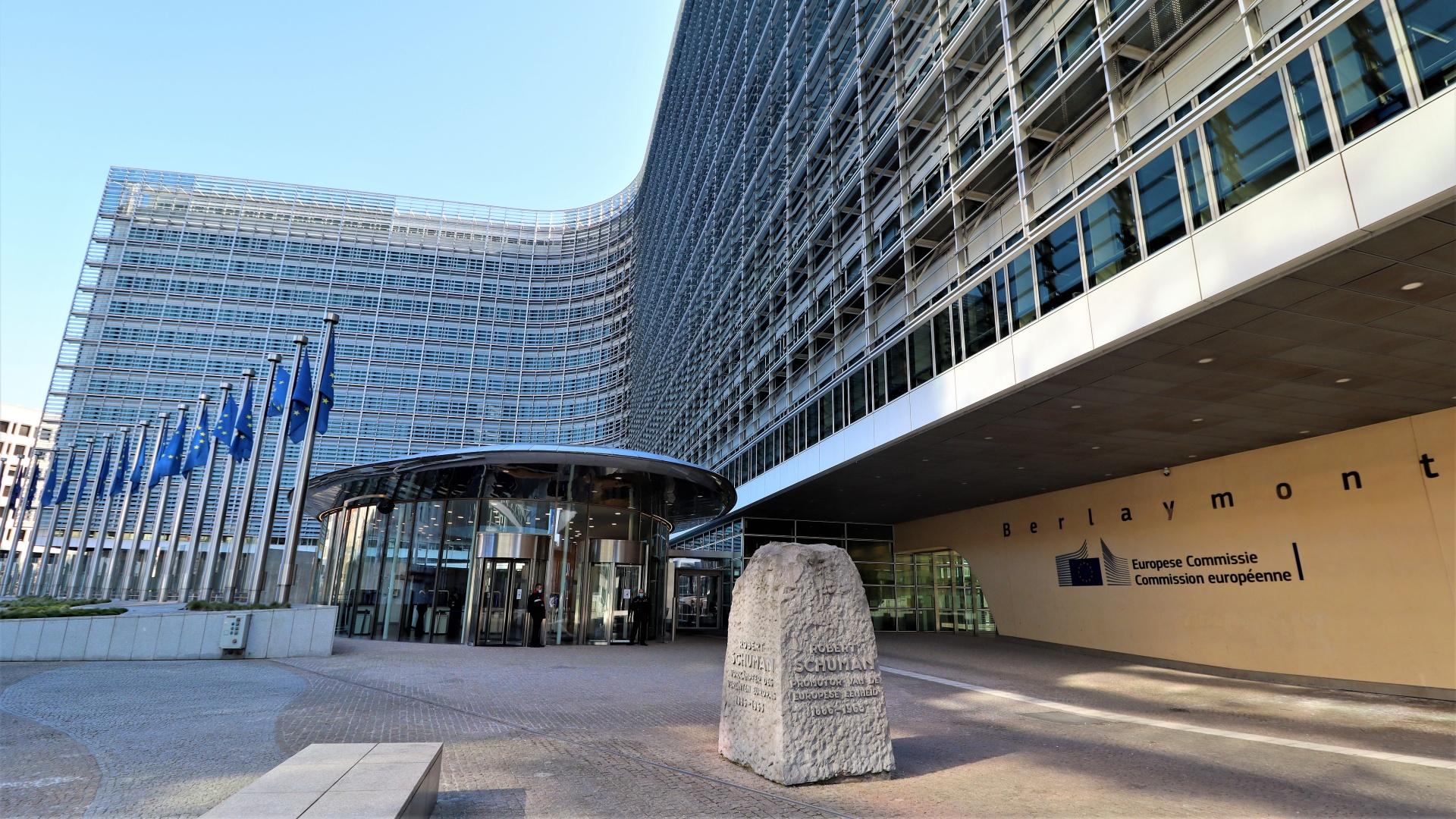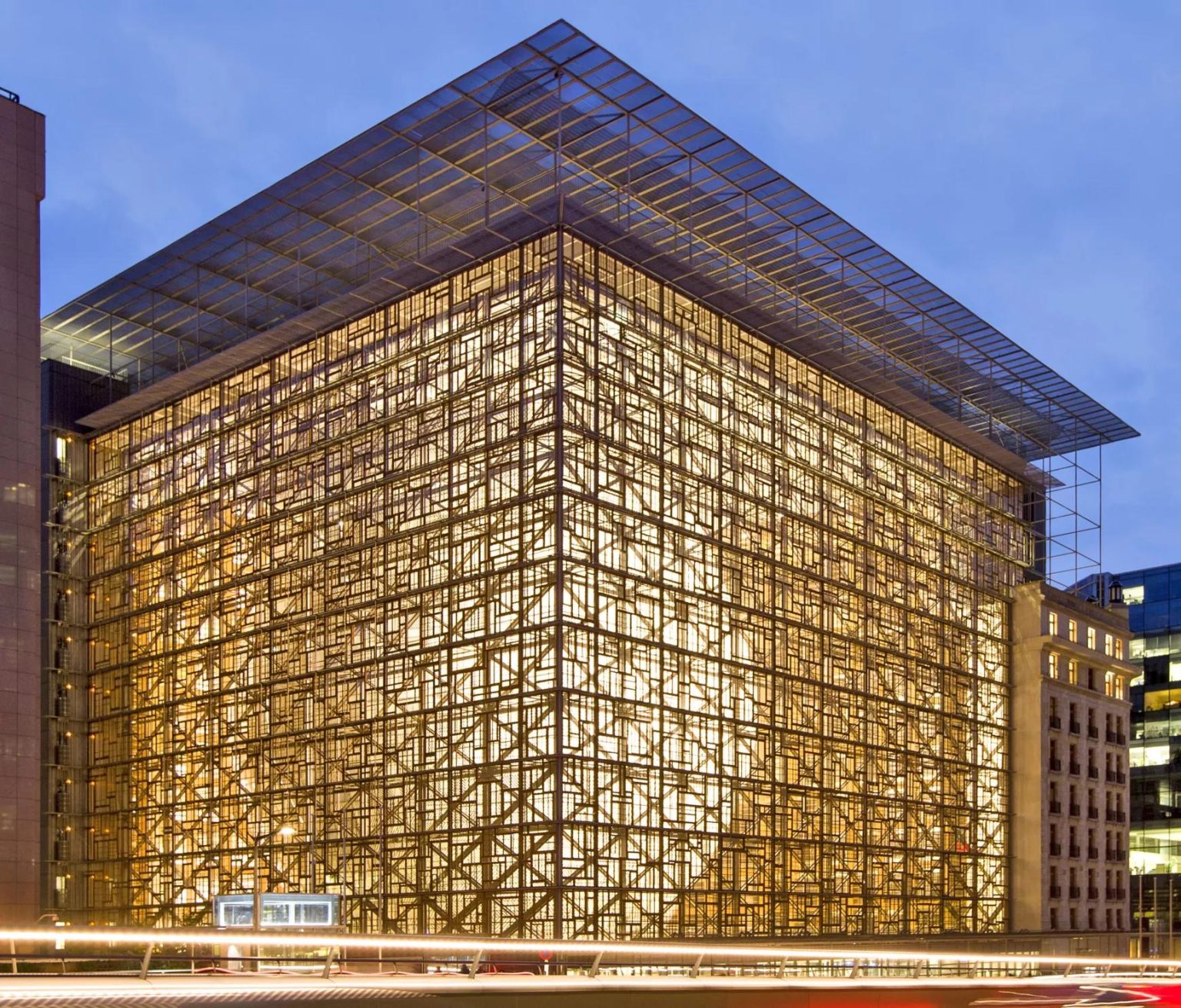
Brussels, 28 September, (Brussels Morning Newspaper) – EU defence ministers are meeting in Brussels on Monday for talks focused on Ukraine support, including urgently needed air-defence interceptors, military training, defence-industry cooperation and measures against Russia’s shadow fleet. EU foreign policy chief Kaja Kallas is chairing the Foreign Affairs Council meeting, which began at 10:00 local time.
EU ministers focus on military support for Ukraine
The Council of the EU said military assistance to Ukraine would lead the meeting. Ukrainian Defence Minister Evgeniy Khmara is joining ministers by video conference to discuss Kyiv’s defence requirements.
Air defence is a central issue, alongside the EU Military Assistance Mission in support of Ukraine, cooperation between European and Ukrainian defence industries and efforts to counter Russia’s shadow fleet. Ministers are also discussing hybrid threats, the Middle East and defence procurement.
The meeting follows continued Russian drone and missile attacks on Ukraine and comes as European governments consider how existing weapons stocks can meet Kyiv’s immediate requirements while replacement systems are produced.
Kallas urges countries to release Patriot interceptors
Speaking as she arrived for Monday’s meeting, Kallas renewed her appeal for European countries holding Patriot interceptor missiles to make them available to Ukraine.
“Ukraine urgently needs air defence,” Kallas said, urging countries with interceptors in their stocks to provide them to Kyiv while subsequently produced Patriot missiles replenish national inventories. Her remarks were made ahead of the defence ministers’ talks on 28 September.
The proposal is intended to address the timing problem facing Kyiv: newly manufactured missiles can take time to arrive, while Ukraine requires additional interceptors immediately.
EU considers training and defence industry cooperation
Ministers are also reviewing EUMAM Ukraine, the EU military assistance mission established to train Ukrainian personnel. The broader discussion on Ukraine support includes ways to strengthen cooperation between Ukraine’s defence industry and European manufacturers.
At an earlier Foreign Affairs Council meeting in May, Kallas highlighted the lessons Europe could draw from Ukraine’s battlefield experience.
“Ukraine’s experience shows how quickly modern warfare evolves and also the lessons learned must shape our policy decisions,” Kallas said. “Defence innovation has to become a political priority.”
That meeting also examined the defence component of the EU’s €90 billion Ukraine Support Loan, the European Peace Facility and other EU instruments used to assist Kyiv.
Russian shadow fleet remains on defence agenda
Another part of Monday’s discussion concerns Russia’s shadow fleet. The term is used by European authorities for vessels involved in helping Moscow maintain oil exports while circumventing restrictions imposed over its war against Ukraine.
The issue links military assistance with the EU’s wider effort to reduce resources available to Russia’s war economy. The bloc adopted its 20th sanctions package in April, targeting energy revenues, financial services, trade and Russia’s military-industrial complex.
What happens after the Brussels meeting?
The Council scheduled a press conference for approximately 12:30 Brussels time following the talks.
Attention will focus on whether ministers announce additional air-defence contributions or further measures covering training, industrial cooperation and the shadow fleet. Monday’s discussions will also feed into continuing EU work on European defence readiness and longer-term Ukraine support.