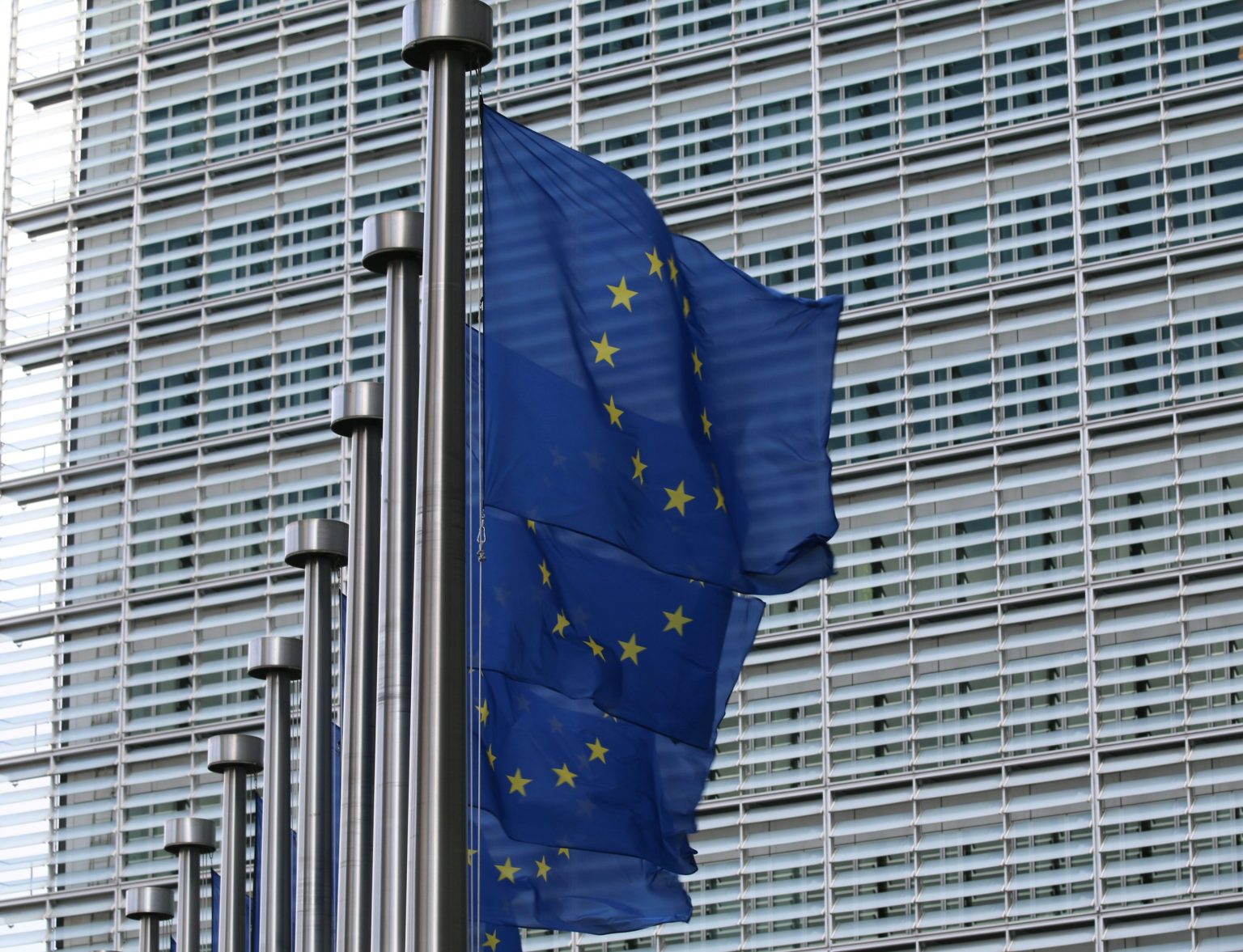
Brussels, 28 September, (Brussels Morning Newspaper) – European Union officials are intensifying their response to Russian sabotage threats after Germany formally attributed an attempted hybrid attack at Leipzig/Halle Airport to Moscow. The EU says sabotage, cyberattacks, infrastructure disruption and information interference are becoming part of an increasingly serious security challenge across Europe.
EU backs Germany over Leipzig airport incident
The EU formally condemned what it called Russia’s attempted hybrid act of sabotage at Leipzig/Halle Airport on 4 August. Germany attributed the incident to Moscow, after which Russian representatives were summoned in several European capitals and at EU headquarters in Brussels.
In a statement to the OSCE on 17 September, the EU said the Leipzig incident was not isolated and argued that Russian hybrid operations had become more frequent and more brazen since the full-scale invasion of Ukraine in February 2022.
The EU identifies sabotage, disruption of critical infrastructure, cyberattacks, foreign information manipulation and attempts to undermine democratic processes among the activities associated with Russia’s hybrid campaigns.
Kallas warns of further attacks in Europe
EU foreign policy chief Kaja Kallas issued a direct warning during a visit to Lithuania on 7 September, pointing to Leipzig as evidence of the growing threat.
“We are likely to see more attacks, like the one in Leipzig, and we must be prepared to respond.”
Kallas said Lithuania remained among the EU countries most heavily targeted by hybrid activity, citing airspace violations, disinformation and sabotage as persistent security concerns. She called for Europe’s counter-hybrid strategy and planned drone and counter-drone measures to provide practical protection.
The warning places Russian sabotage threats firmly within the EU’s broader defence debate, particularly as governments consider how civilian infrastructure should be protected against operations that fall below the threshold of conventional warfare.
EU says hybrid operations are becoming more brazen
The EU’s statement following the Leipzig case offered another strong assessment of the security situation.
“Acts of sabotage, disruption of critical infrastructure, information manipulation and interference are becoming more frequent and more brazen.”
The statement said Russia was seeking to create distrust and fear within European societies and undermine European security. The EU pledged to remain united and continue supporting Ukraine.
Brussels expands sanctions over hybrid activities
The latest security concerns come as Brussels expands measures targeting Russian hybrid operations. On 24 September, the Council sanctioned Russian media figure Xenia Fedorova over what it described as foreign information manipulation and interference.
The Council said its restrictive measures targeting Russia’s destabilising activities now cover 81 individuals and 20 entities. Those listed face asset freezes, while EU citizens and businesses are prohibited from making funds or economic resources available to them.
The sanctions framework was established in October 2024 and later expanded to address a broader range of destabilising activities.
Critical infrastructure protection moves up EU agenda
The European Council has called for urgent efforts to strengthen resilience, improve preparedness and protect critical infrastructure against hybrid attacks. In March, EU ministers also condemned sabotage, malicious cyber activity and foreign interference while reaffirming plans to use available tools against hostile campaigns.
For Brussels, the challenge is increasingly about connecting sanctions, intelligence cooperation, cyber defence and physical infrastructure protection into a coordinated response to Russian sabotage threats.
What happens next?
EU governments are expected to continue strengthening critical infrastructure protection and counter-hybrid capabilities while pursuing sanctions against individuals and organisations linked to destabilising activities.
The Council says the EU and its member states will continue using the full range of available measures to prevent, deter and respond to malicious hybrid operations.