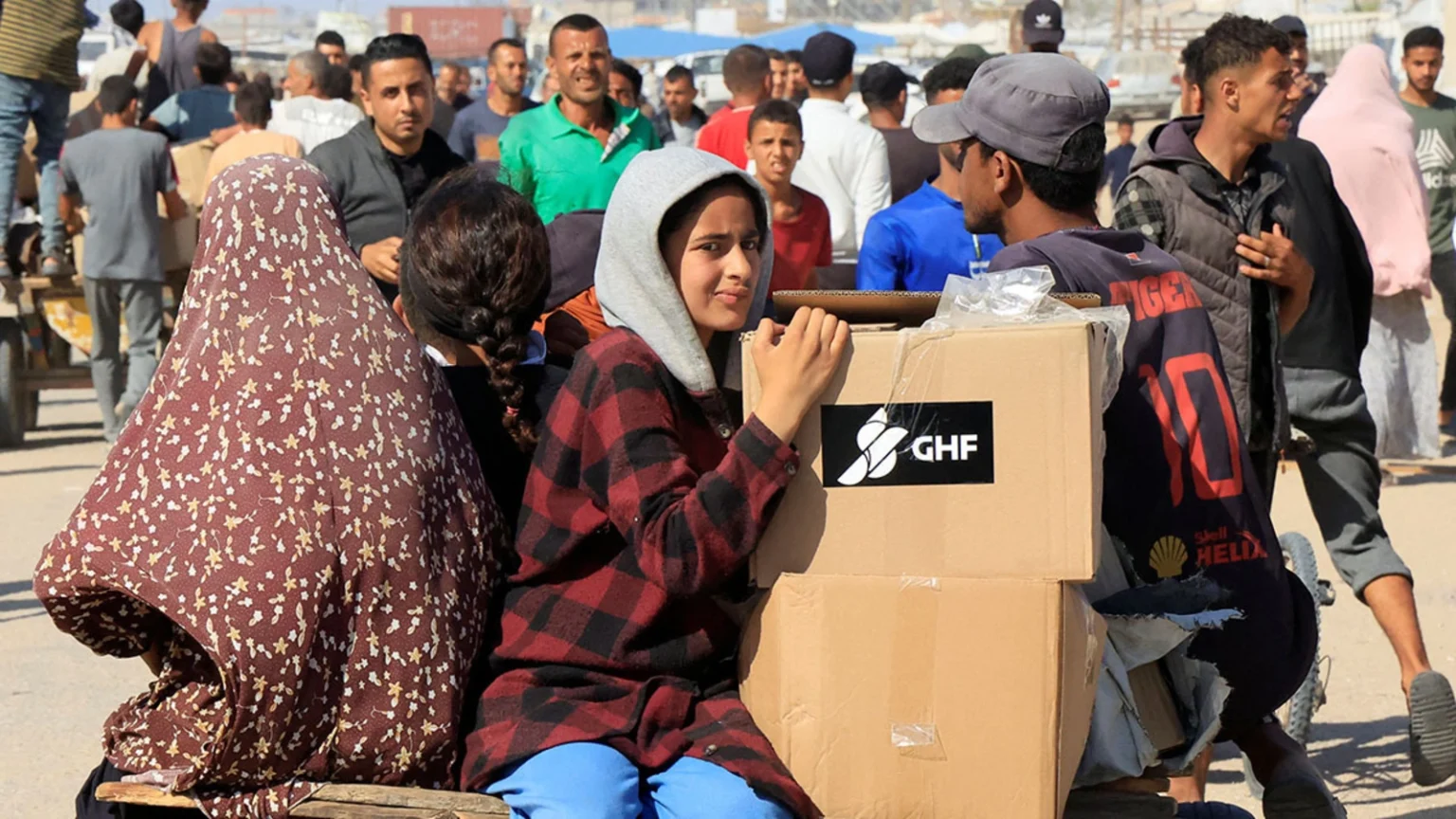
Gaza, January 2026 According to Brussels Morning Newspaper that in 2026 the Gaza humanitarian situation has entered one of its most severe phases in recent memory, placing the coastal territory under intense international scrutiny. From overcrowded shelters to overstretched hospitals, the unfolding crisis is reshaping daily life for civilians while testing the limits of global humanitarian response systems. Gaza today stands as both a humanitarian emergency and a defining challenge for international responsibility.
Located along the eastern Mediterranean, the Gaza Strip is home to a population facing prolonged instability. Aid agencies describe a convergence of displacement, infrastructure collapse, economic paralysis, and psychological trauma. Together, these pressures have elevated the crisis beyond a short-term emergency into a sustained humanitarian breakdown.
A Territory Under Constant Strain
Years of restricted movement and recurring conflict have steadily eroded Gaza’s resilience. In 2026, the scale of need has grown dramatically, leaving families dependent on humanitarian assistance for basic survival. The Gaza humanitarian situation is defined by scarcity—scarcity of food, water, electricity, medical supplies, and above all, certainty about the future.
Residential areas show visible signs of wear. Damaged buildings stand unrepaired, roads remain partially functional, and public services operate inconsistently. Civilians describe a daily routine shaped by contingency planning rather than normalcy.
Displacement Reshaping Civilian Life
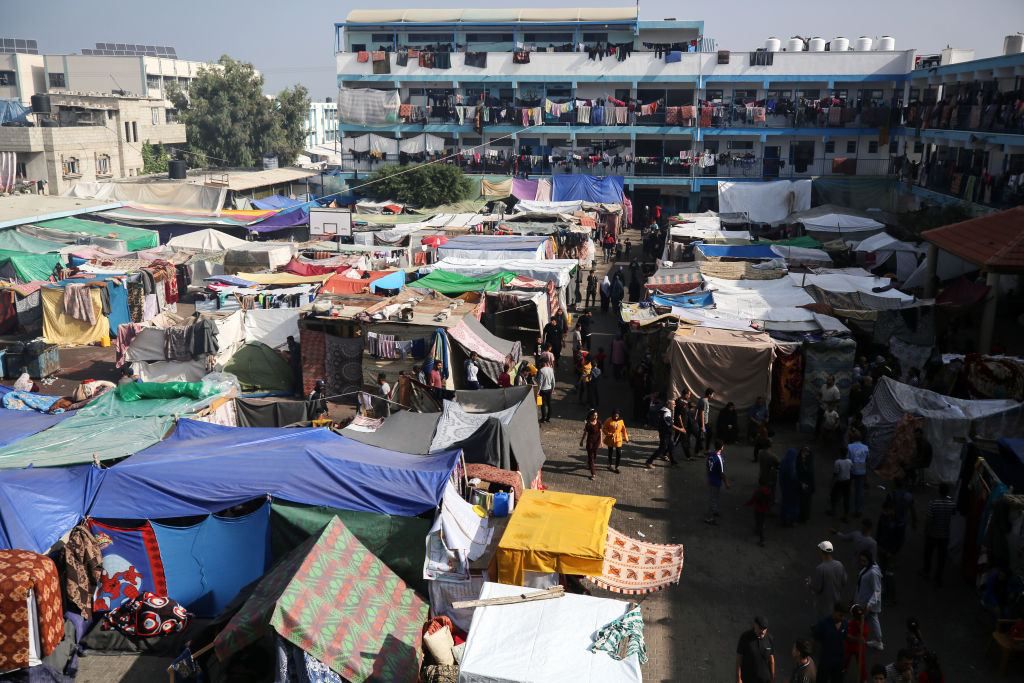
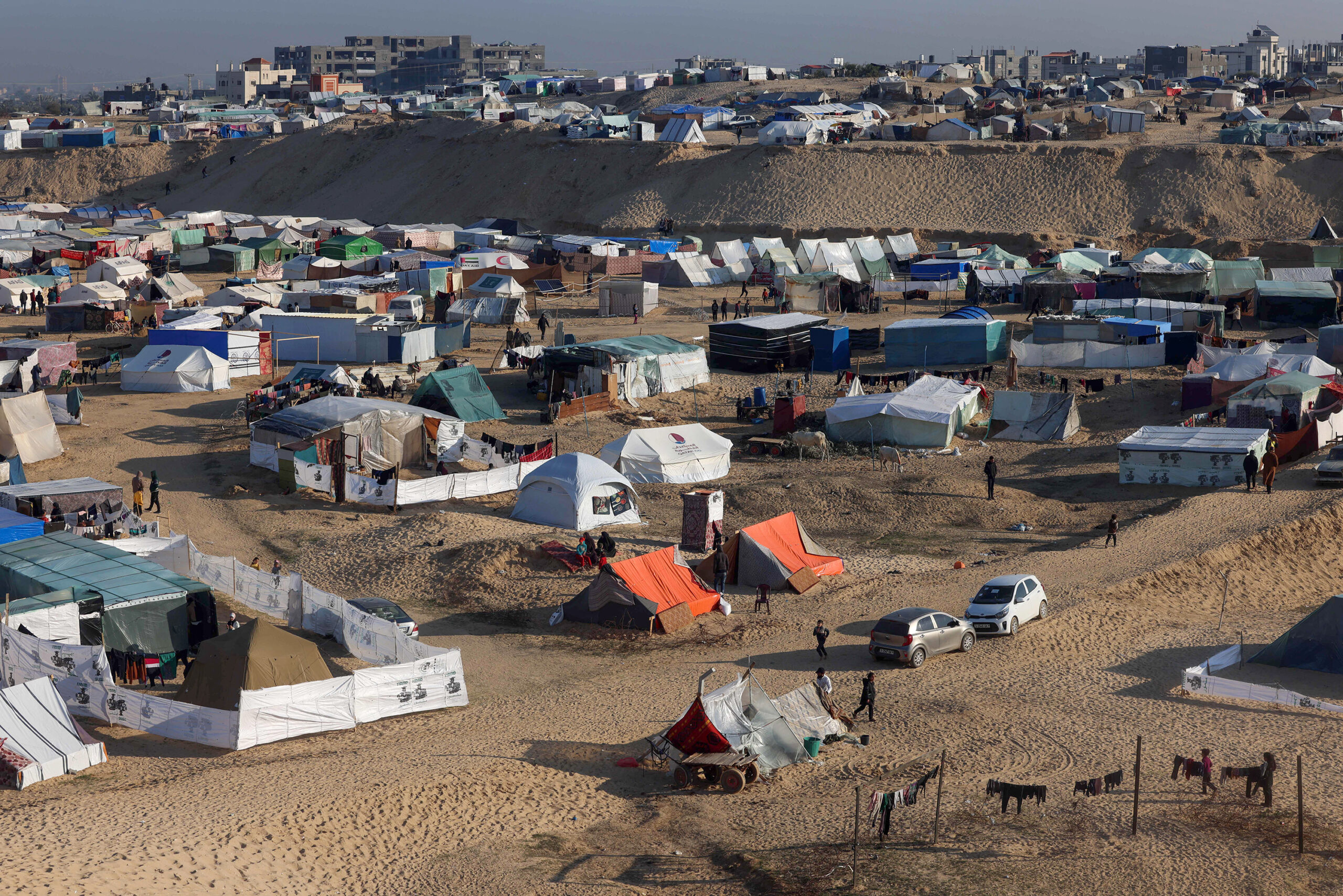
Internal displacement has become one of the most destabilizing aspects of life in Gaza. Families forced to flee their homes often relocate multiple times, moving between temporary shelters, relatives’ homes, and makeshift accommodation. Each displacement erodes social networks and deepens vulnerability.
Humanitarian organizations note that repeated displacement has compounded the Gaza humanitarian situation, particularly for children and the elderly. Education is frequently interrupted, and access to consistent healthcare becomes increasingly difficult.
Healthcare System Near Collapse
Hospitals and clinics across Gaza are operating under extreme pressure. Medical staff face shortages of essential medicines, fuel for generators, and surgical supplies. Emergency rooms remain crowded, while routine care is often postponed or unavailable.
Doctors report that preventable illnesses are becoming life-threatening due to delayed treatment. The healthcare crisis is now a central indicator of the broader Gaza humanitarian situation, reflecting the cumulative impact of infrastructure damage and supply constraints.
Food Insecurity and Malnutrition Risks
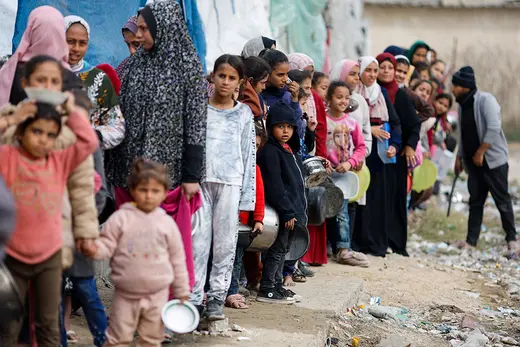
Food access remains a critical concern within the Gaza humanitarian situation, as many households rely almost entirely on food aid while facing limited availability of fresh produce and protein-rich diets. Rising prices and disrupted supply chains have further reduced purchasing power, leaving families increasingly vulnerable.
Nutrition experts warn that prolonged food insecurity could have long-term developmental consequences, particularly for children. Malnutrition risks continue to rise steadily, reinforcing the urgency of sustained humanitarian access and reliable food assistance programs.
Water Sanitation and Public Health
Clean water shortages affect both urban and rural areas. Aging infrastructure and limited fuel supplies have reduced water treatment capacity, forcing families to rely on unsafe alternatives. Sanitation systems struggle to function, increasing the risk of disease outbreaks.
Public health officials emphasize that water and sanitation challenges intensify the Gaza humanitarian situation, as preventable illnesses place additional strain on already overwhelmed healthcare facilities.
Economic Paralysis and Livelihood Loss
Economic activity across Gaza has slowed to a fraction of its potential, reflecting the broader impact of the Gaza humanitarian situation on daily livelihoods. Small businesses struggle to operate amid insecurity, limited imports, and unreliable electricity, while unemployment remains widespread and leaves many families without a stable income.
The collapse of livelihoods has transformed humanitarian aid from a temporary safety net into a primary means of survival. Analysts warn that without meaningful economic recovery and restored market access, long-term dependency is likely to deepen further.
Psychological Toll on the Population
Beyond physical deprivation, psychological distress is widespread. Mental health professionals report high levels of anxiety, depression, and trauma-related symptoms among adults and children alike. Constant uncertainty erodes emotional resilience and social cohesion.
The psychological dimension of the Gaza humanitarian situation is increasingly recognized as a long-term challenge that will persist even if material conditions improve.
Role of International Humanitarian Agencies
International and local organizations continue to operate across Gaza despite persistent security and access constraints, delivering food distribution, medical support, shelter assistance, and psychosocial care within the framework of the Gaza humanitarian situation. These efforts remain essential for sustaining civilian life under prolonged strain.
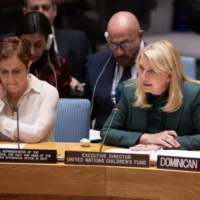
The United Nations coordinates much of the international response in partnership with non-governmental organizations. Officials emphasize that humanitarian access must remain consistent and predictable to prevent further deterioration of conditions on the ground.
Funding Gaps and Operational Challenges
Despite global awareness, funding shortages remain a significant obstacle within the Gaza humanitarian situation. Aid agencies report that available resources fall short of meeting rising needs, while donor fatigue and competing global crises continue to complicate fundraising efforts.
Without sustained and predictable financial commitments, humanitarian programs risk being scaled back at a time when demand for assistance continues to rise sharply.
Impact on Education and Youth
Education systems have been severely disrupted. Schools serve as shelters in some areas, while others operate intermittently due to security concerns. Students face learning gaps that could affect long-term prospects.
Youth advocates warn that prolonged disruption risks creating a lost generation, further entrenching the Gaza humanitarian situation into the territory’s future.
Infrastructure Damage and Recovery Barriers
Damage to housing, roads, and public facilities remains widespread across Gaza, underscoring the long-term impact of the Gaza humanitarian situation on civilian infrastructure. Reconstruction efforts are slow and heavily constrained by material shortages and limited funding, forcing temporary repairs to substitute for durable solutions and leaving communities vulnerable to renewed disruption.
Infrastructure recovery is widely viewed as essential to stabilizing civilian life, restoring basic services, and reducing long-term humanitarian dependence.
Regional and Global Implications
The crisis in Gaza carries implications far beyond its borders, as the Gaza humanitarian situation continues to influence regional stability, migration pressures, and diplomatic relations. International observers note that unresolved humanitarian emergencies often extend their impact across neighboring regions.
Analysts warn that prolonged humanitarian distress can fuel broader instability, reinforcing the need for coordinated international engagement and sustained attention to underlying conditions on the ground.
As such, the Gaza humanitarian situation is increasingly framed as a global responsibility rather than a localized emergency.
Voices From the Ground
One senior aid coordinator summarized the urgency with a single statement:
“Without sustained access and protection, humanitarian assistance can only delay suffering, not prevent it.”
This perspective reflects the frustration shared by many working within Gaza’s complex humanitarian landscape.
Diplomatic Engagement and Humanitarian Priorities
Diplomatic discussions increasingly emphasize the protection of civilians and the facilitation of aid delivery. While political disagreements persist, there is broad consensus that humanitarian needs must be addressed urgently.
Humanitarian actors stress that political solutions remain essential to achieving lasting stability, but immediate relief cannot wait.
Women and Vulnerable Groups
Women, children, the elderly, and persons with disabilities face disproportionate risks. Access to maternal healthcare, mobility assistance, and specialized services remains limited.
Targeted programs aim to support vulnerable groups, yet resource constraints limit coverage and impact.
Environmental and Long-Term Risks
Environmental degradation, including waste accumulation and water contamination, poses additional long-term risks. These factors compound health challenges and undermine recovery prospects.
Experts warn that neglecting environmental factors will prolong the humanitarian crisis.
Media Access and Information Gaps
Information access remains inconsistent, complicating humanitarian coordination and public awareness. Reliable data collection is essential for effective response planning.
Journalists and aid workers alike emphasize the importance of transparent reporting to maintain international attention.
A Crisis That Redefines Urgency
As 2026 unfolds, the Gaza humanitarian situation continues to test the effectiveness of international humanitarian frameworks. The scale and persistence of need highlight the limits of short-term interventions.
Global Responsibility at a Crossroads
The situation in Gaza underscores a broader question of global responsibility. Humanitarian principles demand sustained action, yet implementation remains uneven.
Aid agencies argue that consistency, rather than episodic attention, is the key to meaningful impact.
Future Outlook Remains Uncertain
Prospects for improvement depend on access, funding, and political will. Without coordinated international commitment, humanitarian conditions are unlikely to stabilize.
The Gaza humanitarian situation therefore remains one of the most pressing challenges confronting the international community in 2026.
Beyond Emergency Toward Accountability
Ultimately, Gaza’s crisis challenges the world to move beyond emergency response toward accountability and long-term solutions. Until then, humanitarian actors continue their work under extraordinary pressure, striving to preserve dignity amid adversity.