
United States, January 2026 According to Brussels Morning Newspaper that in 2026 the United Nations response has entered a defining phase as the world confronts overlapping crises that test the limits of diplomacy, humanitarian coordination, and international cooperation. From armed conflicts and humanitarian emergencies to political fragmentation and economic instability, global challenges have intensified in scale and complexity. At the center of this moment stands the United Nations, expected to act not only as a forum for dialogue but as a stabilizing force capable of translating global concern into meaningful action.
As governments struggle to manage crises that transcend borders, the effectiveness of the United Nations response has become a measure of the international community’s collective will. Expectations are high, scrutiny is intense, and the consequences of success or failure extend far beyond any single region.
A World Defined by Overlapping Crises
The international landscape in 2026 is shaped by crises that no longer occur in isolation. Armed conflict, displacement, food insecurity, climate stress, and economic volatility increasingly overlap, reinforcing one another and complicating resolution efforts. These interconnected challenges have elevated the role of multilateral institutions, placing renewed attention on the United Nations response as a coordinating mechanism.
Diplomats and analysts note that traditional crisis management tools are insufficient when emergencies intersect across regions and sectors. The demand for coordination, legitimacy, and sustained engagement has pushed the United Nations into a more visible and demanding role.
Security Council as a Political Anchor
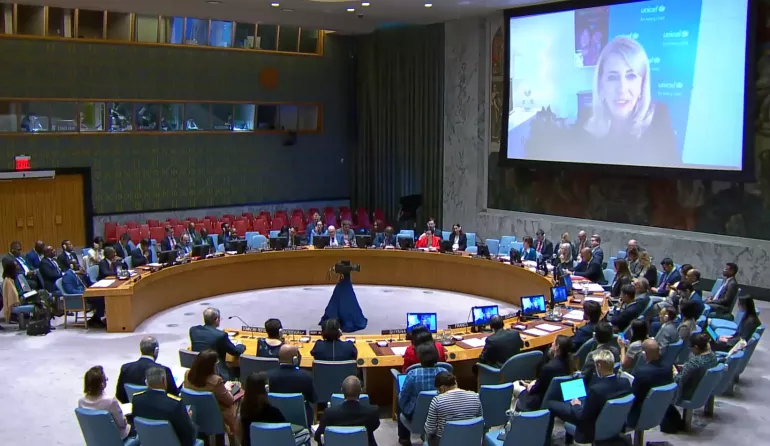
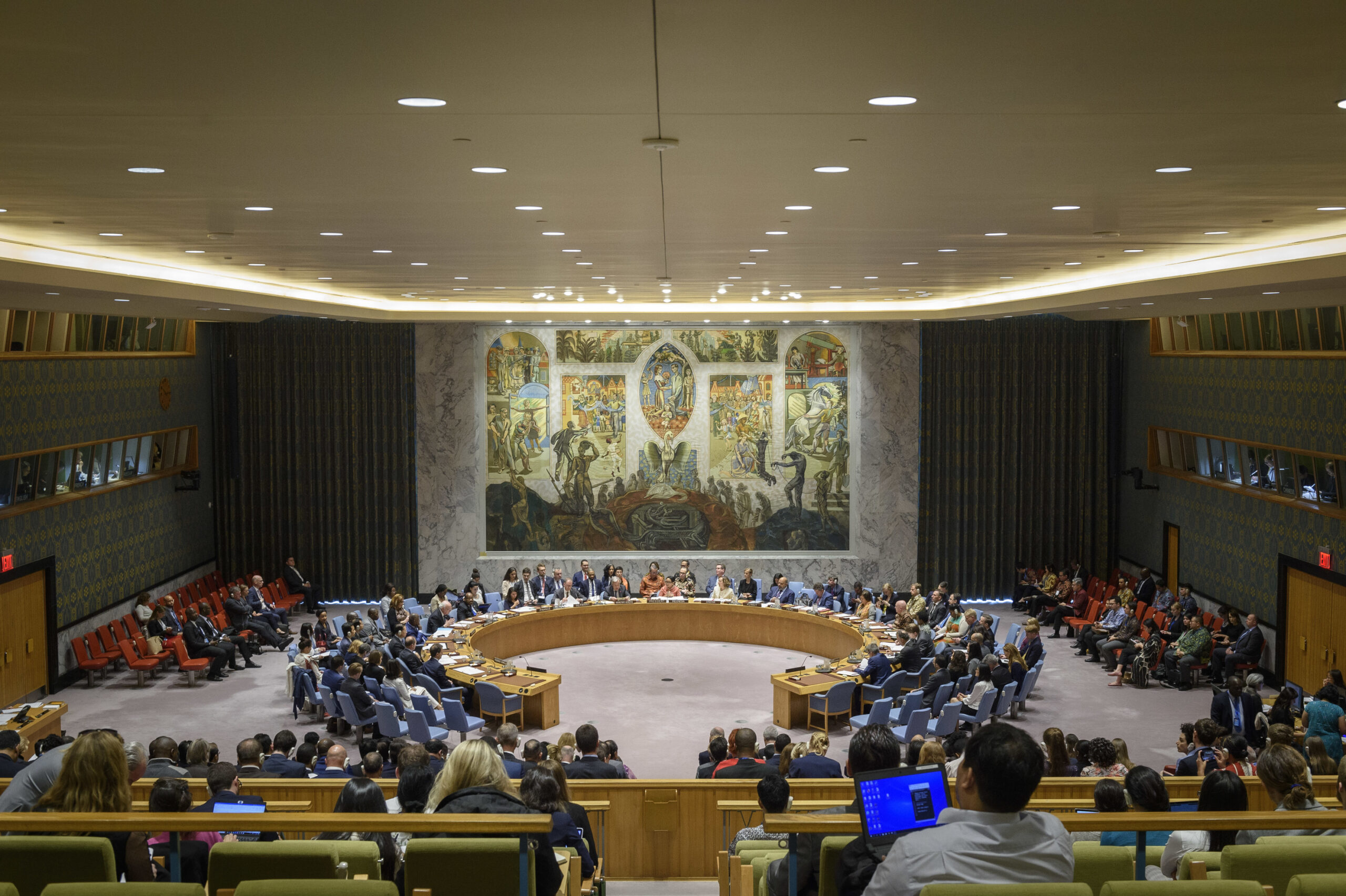
At the political core of the international system, the United Nations Security Council remains the primary venue for addressing threats to international peace and security. In 2026, emergency meetings, closed consultations, and prolonged negotiations have become routine as member states seek consensus amid diverging strategic interests.
These deliberations directly shape the United Nations response, influencing mandates, diplomatic messaging, and operational priorities. While political divisions continue to limit decisive action in some cases, the Security Council remains an indispensable forum for engagement during moments of heightened tension.
Diplomacy Under Pressure
Diplomatic engagement has grown increasingly complex as trust deficits deepen and geopolitical rivalries sharpen. Mediators face the challenge of balancing impartiality with urgency, while navigating shifting alliances and domestic political pressures.
Within this environment, the United Nations response has emphasized sustained dialogue and preventive diplomacy. UN envoys continue to engage with state and non-state actors in an effort to reduce escalation, maintain communication channels, and preserve space for negotiation even when political progress appears limited.
Humanitarian Action at the Forefront
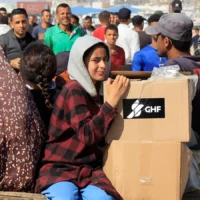
Humanitarian concerns now occupy a central position in international discussions. Aid agencies consistently warn that civilian needs are growing faster than available resources, placing millions at risk. Food insecurity, healthcare shortages, and displacement remain persistent challenges across multiple regions.
The United Nations response increasingly frames humanitarian action as both a moral imperative and a stabilizing force. By addressing basic needs, humanitarian assistance can reduce desperation, mitigate displacement pressures, and help prevent further instability.
Coordination Across UN Agencies
One of the defining features of current UN engagement is the scale of coordination among agencies, funds, and programs. Refugee assistance, health services, food security initiatives, education support, and protection programs often operate simultaneously within the same crisis environment.
This integrated approach strengthens the United Nations response, enabling agencies to align strategies, share information, and avoid duplication. Officials describe coordination as essential in complex emergencies where fragmented efforts risk inefficiency and reduced impact.
Civilian Protection as a Central Principle
Reports of civilian harm, infrastructure damage, and service disruption continue to drive international concern. Protecting civilians has emerged as a recurring theme across UN statements and briefings.
The United Nations response consistently emphasizes adherence to international humanitarian law, stressing that civilians and essential services must be protected regardless of political circumstances. This principle remains central to maintaining credibility and legitimacy in crisis settings.
Funding Gaps and Donor Fatigue
Despite widespread awareness of global crises, funding shortages persist. Humanitarian appeals frequently remain underfunded, limiting the reach and sustainability of assistance programs.
Addressing these gaps has become a recurring priority within the United Nations response. Officials warn that donor fatigue, combined with competing global emergencies, threatens to undermine long-term humanitarian operations and development initiatives.
Economic Strain and Development Setbacks
Beyond immediate humanitarian needs, economic disruption presents a long-term challenge. Conflict and instability erode livelihoods, weaken institutions, and stall development gains achieved over decades.
The United Nations response increasingly integrates development considerations into crisis planning, recognizing that humanitarian aid alone cannot address structural vulnerabilities. Restoring economic opportunity is viewed as essential to reducing dependency and supporting long-term stability.
Displacement and Migration Pressures
Displacement remains one of the most visible consequences of prolonged crisis. Millions are forced to flee homes in search of safety, often crossing borders and placing strain on host communities.
The United Nations response addresses displacement through protection, shelter, and support for host countries, while also advocating for durable solutions that allow displaced populations to return safely or integrate sustainably.
Information Gaps and Operational Challenges
Accurate information is critical for effective response, yet conflict environments often disrupt data collection and verification. Limited access, security constraints, and misinformation complicate needs assessments and planning.
Improving situational awareness has become a key operational priority within the United Nations response, supporting evidence-based decision-making and targeted interventions.
Accountability and International Norms
Accountability remains a sensitive but essential aspect of international engagement. Legal frameworks provide mechanisms for addressing violations and reinforcing norms, yet political realities often complicate enforcement.
The United Nations response continues to reference accountability as a foundational principle, underscoring the importance of international law in maintaining global order and deterring future abuses.
Communication and Public Expectations
Public scrutiny of international institutions intensifies during major crises. Media coverage, social platforms, and civil society advocacy shape perceptions of effectiveness and legitimacy.
The United Nations response is increasingly evaluated not only through diplomatic outcomes but through visible impact on civilian lives. Transparency and communication play a critical role in sustaining trust and engagement.
Youth and the Future Generation
Prolonged instability disproportionately affects young people through disrupted education, limited employment opportunities, and psychological stress. These impacts carry long-term consequences for societies emerging from crisis.
Within the United Nations response, youth protection and education programs are increasingly framed as investments in future stability rather than secondary concerns.
Environmental Stress and Climate Factors
Environmental degradation and climate-related stress amplify humanitarian and security challenges. Water scarcity, extreme weather, and environmental damage compound existing vulnerabilities.
The United Nations response increasingly integrates environmental considerations into crisis planning, recognizing that sustainable recovery depends on addressing ecological as well as political and economic factors.
Regional Spillover and Global Impact
Crises rarely remain confined within borders. Regional instability often produces ripple effects through migration, economic disruption, and security concerns that affect distant regions.
This interconnectedness shapes the United Nations response, which increasingly frames crises as shared global challenges requiring collective responsibility rather than isolated regional issues.
Institutional Credibility Under Scrutiny
Moments of global crisis test institutional credibility. Successes and failures alike influence public trust and political support for multilateral cooperation.
The United Nations response is therefore closely scrutinized as a reflection of the international system’s capacity to act collectively in an increasingly fragmented world.
Adaptation and Institutional Learning
The evolving nature of global crises has forced institutions to adapt. Lessons learned from past emergencies inform current approaches, shaping reforms in coordination, funding, and field operations.
The United Nations response continues to evolve as officials seek to improve effectiveness, responsiveness, and accountability in complex environments.
United Nations Official Emphasizes Need for Collective Action
“Sustained multilateral engagement remains the only credible way to address crises that cross borders and generations.”
Looking Ahead in an Uncertain World
As 2026 progresses, uncertainty remains the defining feature of the global outlook. Conflicts remain unresolved, humanitarian needs persist, and political divisions endure.
The United Nations response is expected to remain central to managing risk, mitigating suffering, and preserving channels for dialogue amid ongoing instability.
A Defining Moment for Multilateral Cooperation
The current period represents a defining moment for multilateralism. The scale and persistence of global challenges demand cooperation that extends beyond rhetoric.
Ultimately, the effectiveness of the United Nations response will shape not only immediate outcomes but long-term confidence in international cooperation and collective responsibility.
Beyond Crisis Management Toward Shared Responsibility
Moving beyond emergency response toward sustainable solutions remains the ultimate challenge. Political settlements, economic recovery, and social reconciliation require sustained commitment.
As crises continue to evolve, the United Nations response stands as both a reflection of global cooperation and a test of its limits in a rapidly changing world.