BEIRUT, JERUSALEM — March 16, 2026 — Brussels Morning Newspaper — the latest Hezbollah Israel border clashes have intensified along the volatile frontier between Lebanon and Israel. The renewed tension has drawn international attention as governments and security experts warn that the situation could evolve into a larger regional confrontation if military exchanges continue.
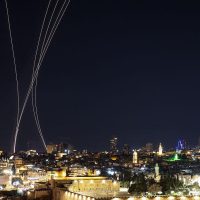
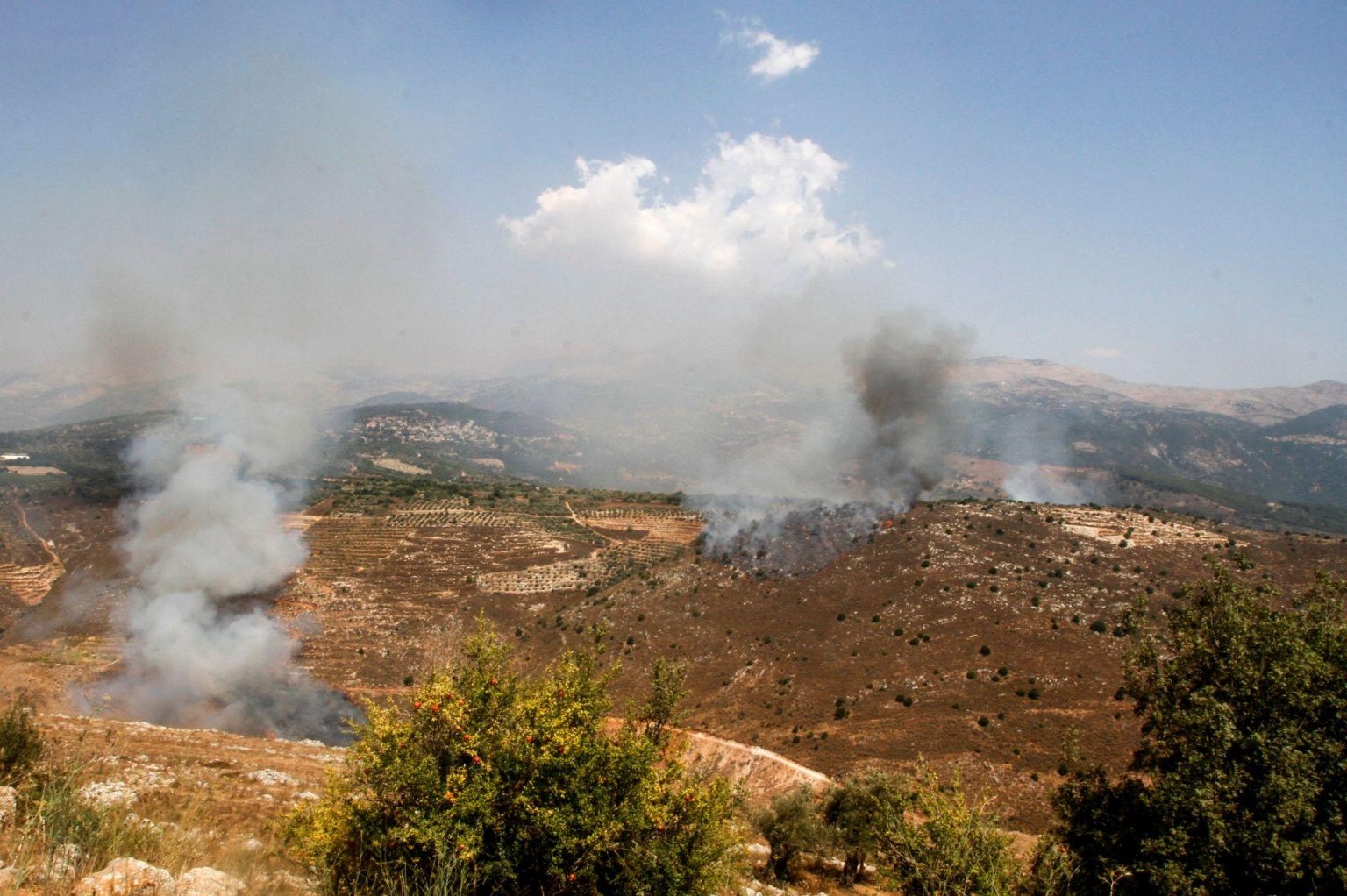
Over recent days, rockets were launched from southern Lebanon toward northern Israel, prompting retaliatory strikes from Israeli defense forces targeting suspected militant positions near the border. Israeli air defense systems intercepted several incoming projectiles, preventing damage in populated areas.
Authorities in northern Israel activated emergency warning systems while military patrols increased across the frontier. Meanwhile, communities in southern Lebanon reported artillery impacts and increased surveillance flights above the region.
Diplomatic observers say the current escalation illustrates how fragile the security environment remains along one of the Middle East’s most sensitive borders.
Border Communities Living Under Constant Threat
Residents living close to the frontier are experiencing the direct impact of the Hezbollah Israel border clashes as tensions continue to rise.
In northern Israel, towns such as Kiryat Shmona and nearby agricultural communities have repeatedly activated warning sirens during rocket alerts. Families rushed to reinforced shelters while schools and public facilities temporarily suspended normal operations.
Across the border in southern Lebanon, villages located only a few kilometers from Israeli military positions reported explosions and aerial reconnaissance activity. Residents there are also facing uncertainty as military movements increase in the region.
Humanitarian groups monitoring the situation say prolonged instability could create displacement risks if clashes continue. Many families in both countries remember the destruction of earlier conflicts and fear that escalation could again threaten their homes.
Despite the tension, local leaders on both sides are urging restraint in hopes that diplomacy will prevent a broader war.
Military Strategies and Defensive Preparations
Security analysts say the Hezbollah Israel border clashes highlight the evolving military capabilities of both sides.
Israel maintains advanced defensive systems designed to intercept rockets and drones before they strike populated areas. These systems have played a crucial role in protecting communities along the northern frontier.
Hezbollah has also significantly expanded its military infrastructure over the past decade. Experts believe the organization possesses a large arsenal of rockets and missiles capable of reaching deep into Israeli territory.
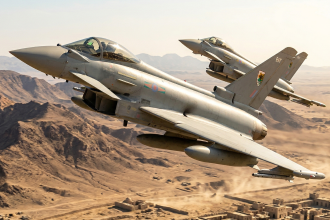
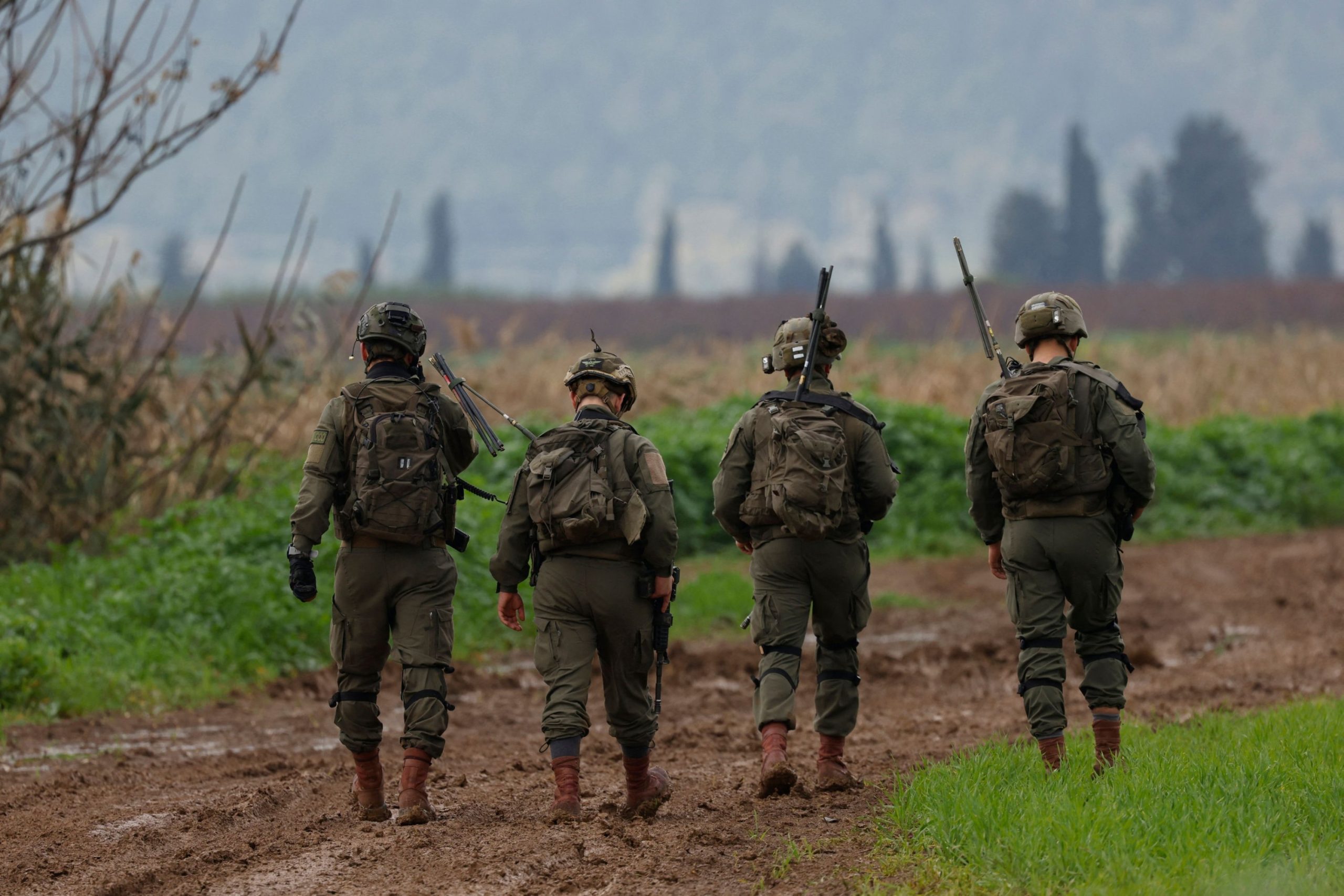
During the latest escalation, Israeli defense forces increased reconnaissance flights and reinforced military positions along the border. Surveillance drones and armored patrol units were deployed to monitor activity across the frontier.
Hezbollah fighters reportedly repositioned mobile rocket launch systems and increased monitoring of Israeli troop movements. These actions demonstrate how both sides are attempting to maintain strategic deterrence while avoiding full-scale war.
Regional Governments Watching Closely
The Hezbollah Israel border clashes are drawing attention far beyond the immediate frontier.
Regional governments and international organizations are monitoring developments closely because escalation could have broader geopolitical consequences.
Hezbollah maintains strong ties with Iran, which provides financial and military support to the group. Israel maintains close strategic partnerships with Western nations and regional allies concerned about Iranian influence in the Middle East.
Because of these alliances, even limited military exchanges have the potential to influence wider regional dynamics. Diplomatic observers warn that prolonged clashes could complicate negotiations involving security cooperation and energy resources.
International mediators continue encouraging restraint as tensions unfold.
Historical Background of the Conflict
Understanding the Hezbollah Israel border clashes requires examining the history of confrontation between the two sides.
The most significant modern conflict occurred during the 2006 Lebanon War. That conflict began after Hezbollah fighters captured Israeli soldiers near the border, triggering a large-scale Israeli military response.
Over the course of more than a month, thousands of rockets were launched into northern Israel while Israeli forces conducted extensive air strikes and ground operations in southern Lebanon.
The war caused significant destruction and led to international diplomatic efforts that eventually produced a ceasefire agreement.
Since that time, occasional incidents have occurred along the border, though both sides have generally avoided a full-scale war.
The current escalation illustrates how tensions remain unresolved even after nearly two decades.

Diplomatic Efforts to Reduce Tensions
Diplomatic engagement is underway as international leaders attempt to prevent the Hezbollah Israel border clashes from expanding.
The United Nations peacekeeping mission in southern Lebanon continues monitoring activity along the frontier and facilitating communication between Lebanese authorities and Israeli officials.
Several governments have also engaged in quiet diplomatic discussions aimed at preventing further escalation.
A regional diplomatic official said:
“Maintaining stability along this border is critical for the security of the entire Middle East.”
Although Israel and Hezbollah do not negotiate directly, international mediators often play an important role in transmitting messages during periods of crisis.
Security Experts Warn of Escalation Risks
Analysts say the Hezbollah Israel border clashes demonstrate how quickly tensions can rise in heavily militarized regions.
One security expert explained:
“When both sides possess powerful military capabilities, even limited incidents carry the risk of rapid escalation.”
Another analyst noted that maintaining communication between international mediators and regional governments remains essential to preventing misunderstandings.
Diplomatic channels continue operating as governments attempt to calm the situation.
Economic and Strategic Consequences
Beyond military concerns, the Hezbollah Israel border clashes may also carry economic implications.
The eastern Mediterranean region plays a vital role in global energy transportation routes and maritime trade. Any escalation could disrupt shipping activity and influence international markets.
Financial analysts note that geopolitical tensions in the Middle East often affect investor confidence and energy prices.
Lebanon’s fragile economy could face additional challenges if instability continues, while tourism and commerce in northern Israel may also be affected.
These broader implications demonstrate how regional conflicts can create global ripple effects.
Military Readiness Along the Frontier
Military readiness remains high as the Hezbollah Israel border clashes continue.
Israeli defense forces have reinforced northern observation posts and expanded aerial surveillance missions designed to detect rocket launches or infiltration attempts.
Hezbollah fighters also maintain a strong presence in southern Lebanon and reportedly increased monitoring of Israeli troop movements.
Analysts believe both sides are attempting to demonstrate strength without crossing the threshold that would trigger full-scale war.
Outlook for the Coming Weeks
The future of the Hezbollah Israel border clashes remains uncertain.
Security experts believe the coming weeks will be critical in determining whether tensions stabilize or escalate further.
Diplomatic engagement combined with careful military decision-making could prevent the confrontation from expanding into a broader conflict.
However, the heavily militarized nature of the border means even minor incidents carry the potential to ignite larger confrontation.
Residents living near the frontier remain hopeful that restraint will prevail before the situation worsens.