BEIRUT, Lebanon — March 13, 2026 — Brussels Morning Newspaper — Rising Israel Lebanon tensions are drawing increasing concern from humanitarian organizations and international observers as instability grows along the southern Lebanese border. Aid groups warn that continued military pressure and security alerts across parts of the country could place thousands of civilians at risk of displacement if the situation escalates further.
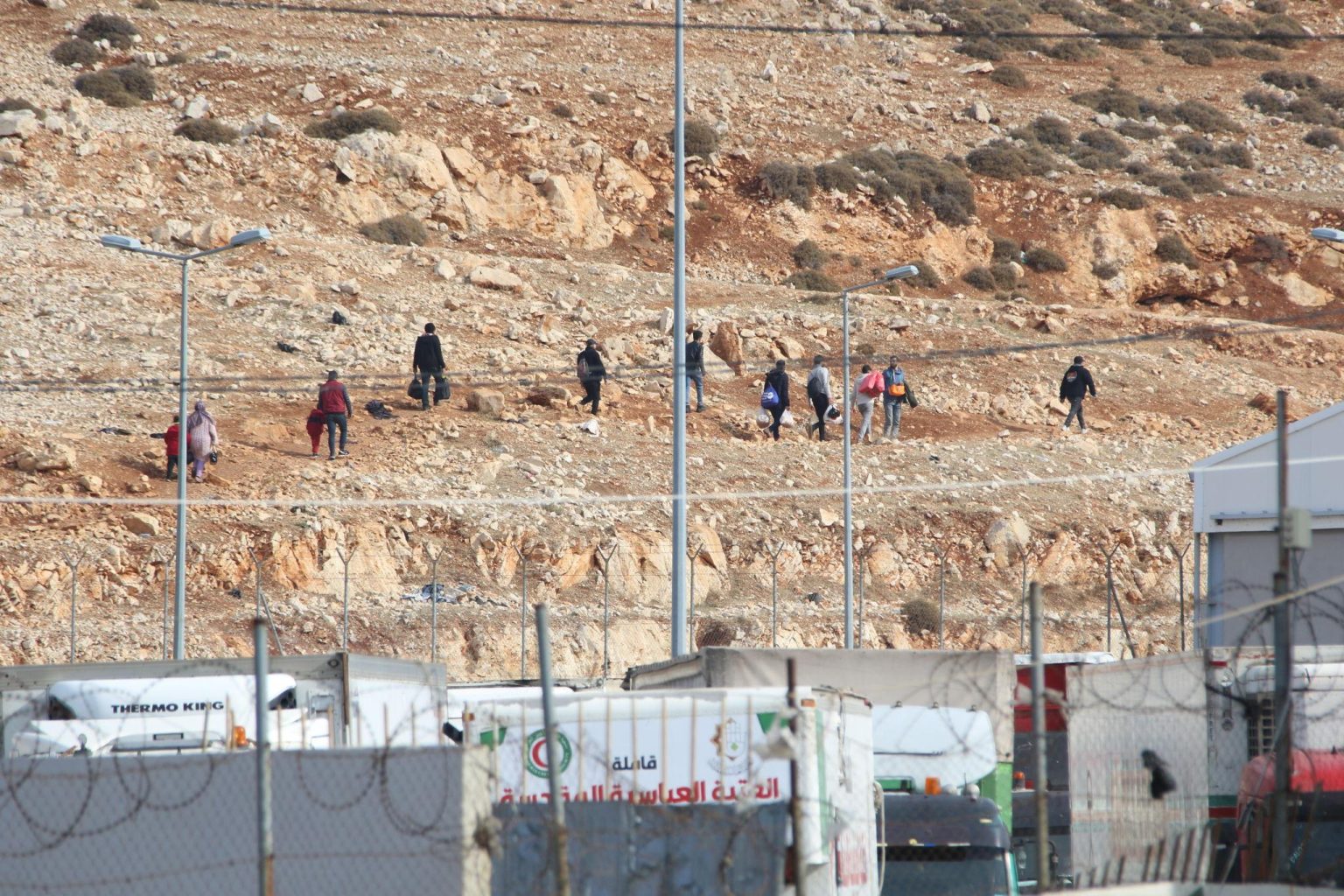
Recent assessments from humanitarian agencies indicate that as much as fourteen percent of Lebanese territory has been indirectly affected by security warnings, evacuation advisories, or growing uncertainty surrounding military developments near the border. Communities located close to contested areas are now facing difficult decisions about whether to remain in their homes or relocate temporarily to safer regions.
The expanding crisis is unfolding during a fragile moment for Lebanon, which continues to struggle with economic instability and weakened public infrastructure. Analysts say the current wave of Israel Lebanon tensions could further strain the country’s already limited capacity to support vulnerable populations.
Border Communities Facing Uncertainty
Villages located in southern Lebanon are experiencing heightened anxiety as Israel Lebanon tensions continue to shape daily life along the frontier. Many of these communities have lived with periodic instability for decades, yet the latest developments are raising new fears that displacement could occur if conditions worsen.
Residents in border regions often rely on farming, small local markets, and regional trade to sustain their livelihoods. If families are forced to abandon their homes even temporarily, agricultural production could suffer significant setbacks. Harvest seasons are especially sensitive periods for farmers, and any disruption could affect both income and local food supply.
Local authorities say they are monitoring the situation closely while coordinating with humanitarian organizations to ensure that emergency response systems are ready if required. Some municipalities have already begun preparing temporary shelters and contingency plans for residents who might need assistance.
For many families, the uncertainty surrounding Israel Lebanon tensions is as concerning as the potential physical danger.
Humanitarian Agencies Prepare Emergency Response
Humanitarian organizations operating across Lebanon have intensified their monitoring efforts as Israel Lebanon tensions remain at the center of regional security discussions. Aid groups say the primary concern is ensuring that civilians have access to basic services if displacement becomes unavoidable.
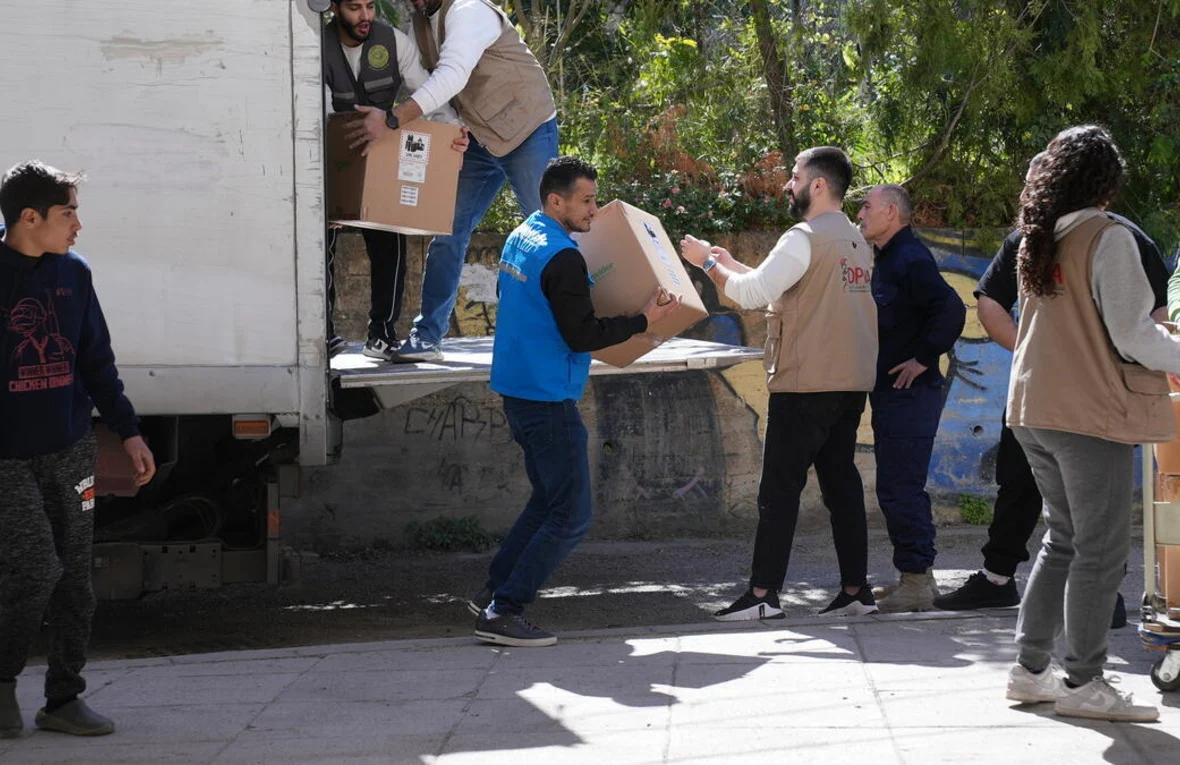
Emergency response plans currently being discussed include the preparation of shelters, medical support teams, and logistical networks capable of transporting families to safer areas. International relief organizations are also working with local charities to ensure that food supplies and essential goods can reach affected communities quickly.
However, aid officials acknowledge that Lebanon’s economic crisis has significantly weakened the country’s ability to respond to large scale humanitarian emergencies. Public services including healthcare and infrastructure have been strained by years of financial instability.
If displacement spreads across multiple districts, international assistance may become essential to managing the humanitarian impact of the ongoing Israel Lebanon tensions.
Economic Pressures Add to the Crisis
Lebanon’s fragile economy means that the consequences of Israel Lebanon tensions extend far beyond immediate security concerns. Border communities play a critical role in agricultural production, particularly in southern regions where olive groves, fruit orchards, and small farms dominate the local economy.
If farmers are unable to access their land due to security restrictions or evacuation warnings, entire harvest seasons could be lost. This would not only affect rural incomes but also disrupt food supply chains across nearby towns and cities.
Small businesses operating in border areas are also vulnerable. Shops, restaurants, and local markets rely heavily on community traffic, and even short periods of displacement could force many businesses to close.
Economists warn that the economic consequences of prolonged Israel Lebanon tensions could deepen Lebanon’s ongoing financial crisis.
International Attention on the Border Situation
Governments and diplomatic observers around the world are closely watching developments related to Israel Lebanon tensions. The border between the two countries has long been considered one of the most sensitive areas in the Middle East, with the potential to influence broader regional stability.
Diplomatic channels remain active as international mediators encourage restraint and dialogue between regional actors. Preventing further escalation is considered a priority by many governments seeking to avoid a wider humanitarian crisis.
Humanitarian agencies are also urging global donors to prepare funding mechanisms that could support emergency relief efforts if displacement numbers increase.
Observers say the international community recognizes that stabilizing Israel Lebanon tensions is essential for protecting civilians and maintaining regional security.
Historical Echoes Along the Border
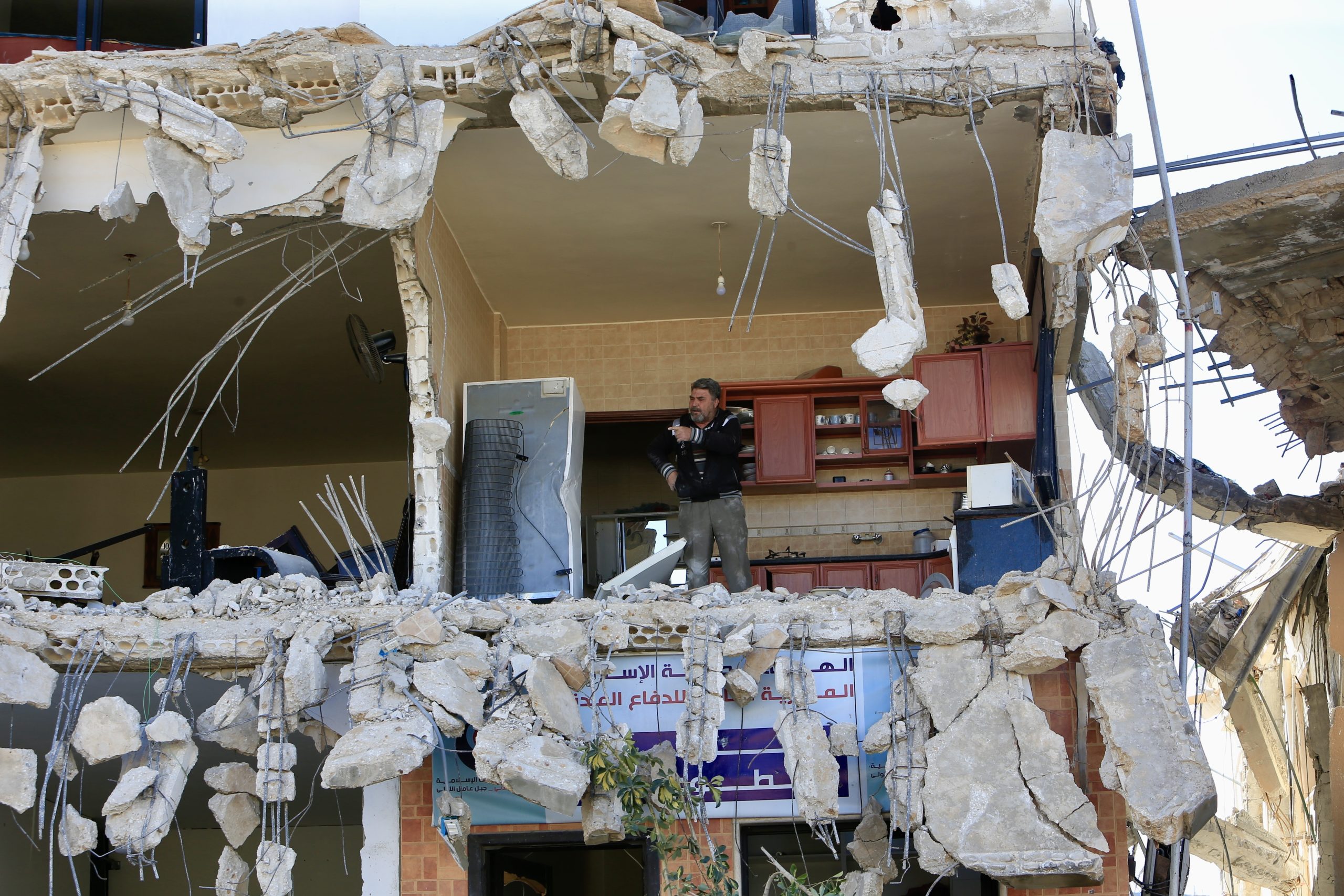
The current wave of Israel Lebanon tensions carries echoes of previous confrontations that have shaped the region’s history. Southern Lebanon has experienced multiple periods of conflict over the past several decades, including large scale military operations that displaced thousands of civilians.
In earlier conflicts, entire communities were forced to abandon their homes for extended periods. Infrastructure damage and economic disruption often lasted long after hostilities subsided. These historical experiences remain deeply embedded in the collective memory of residents living near the border today.
The comparison to earlier conflicts has heightened concerns among humanitarian groups that even limited escalation could quickly lead to broader displacement if diplomatic solutions are not reached.
Voices From the Humanitarian Community
Humanitarian officials working in Lebanon continue to emphasize the importance of protecting civilian populations as Israel Lebanon tensions evolve. Aid groups say the priority must remain on preventing unnecessary suffering and ensuring that communities have access to support if conditions deteriorate.
One regional humanitarian coordinator summarized the situation by stating:
“Communities living near the border have already endured years of economic hardship and instability. The international community must ensure that civilians are protected and that humanitarian support is available if the situation worsens.”
The statement reflects growing concern among aid organizations that the consequences of prolonged Israel Lebanon tensions could extend beyond immediate security risks and create a deeper humanitarian emergency.
Diplomatic Efforts Continue
Diplomatic efforts aimed at reducing Israel Lebanon tensions remain ongoing as regional leaders and international mediators work to prevent escalation.
Negotiations are focusing on maintaining communication channels, reducing misunderstandings, and encouraging confidence building measures that could stabilize the border environment. Observers say even small diplomatic breakthroughs could help prevent further deterioration of the situation.
At the same time, humanitarian agencies are urging governments to prioritize civilian protection in all discussions related to the border conflict.
Many experts believe that sustained diplomacy will be necessary to manage the complex political dynamics influencing Israel Lebanon tensions.
A Region Waiting for Stability
For residents living in southern Lebanon, the future remains uncertain as Israel Lebanon tensions continue to dominate regional headlines.
Families in affected communities are trying to balance daily routines with contingency plans in case security conditions worsen. Schools, markets, and farms continue to operate, yet the possibility of sudden change remains a constant concern.
Aid groups stress that early preparation and international cooperation could help minimize humanitarian consequences if displacement becomes unavoidable.
As diplomats work to stabilize the region and humanitarian agencies prepare for potential emergencies, communities across Lebanon are hoping that tensions will ease and that peace will prevail.
The Path Forward for Lebanon
The future trajectory of Israel Lebanon tensions will likely depend on diplomatic engagement, regional cooperation, and the willingness of all parties to prioritize stability. For Lebanon, avoiding large scale displacement is crucial not only for humanitarian reasons but also for economic recovery.
Maintaining stability along the border could help preserve fragile agricultural economies and protect communities already struggling with financial hardship. International cooperation will play a key role in ensuring that humanitarian networks remain prepared for any scenario.
For now, the situation remains fluid, and both residents and policymakers are watching developments carefully as they hope for a peaceful resolution to the latest chapter of regional tensions.