US trade policy update 2026 signals a pivotal change in tariff enforcement.
Washington DC aligns trade strategy with Supreme Court ruling.
Markets and global partners respond to a major economic shift.
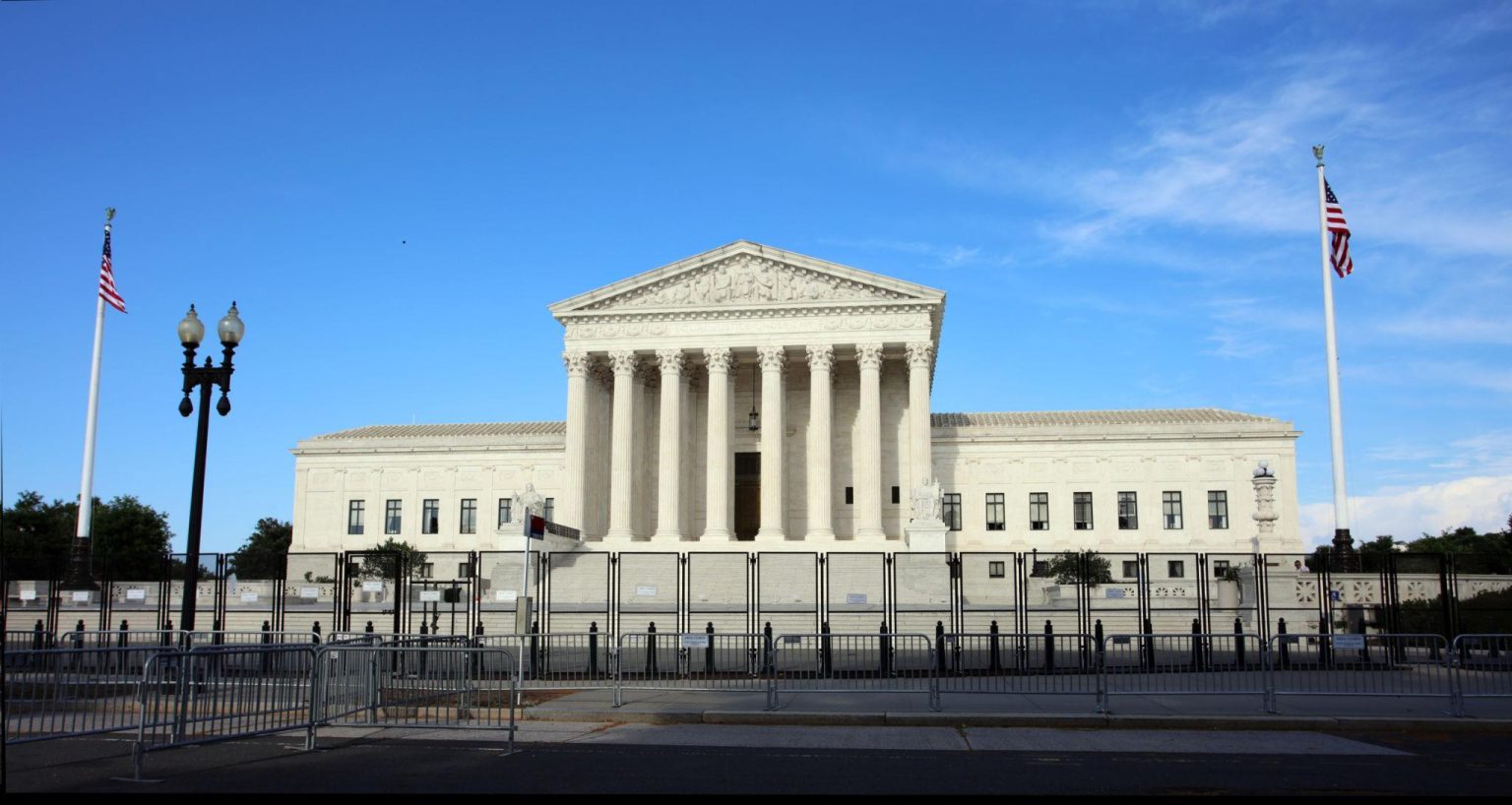
Washington DC, February 23, 2026 — Brussels Morning Newspaper confirms that the latest US trade policy update marks a defining shift in American economic governance. Federal authorities announced they will halt the collection of specific tariffs ruled unlawful by the Supreme Court, signaling immediate compliance with constitutional limits on executive trade authority. The decision reshapes the framework of tariff enforcement and sends ripple effects through global markets.
This decisive action reflects more than administrative correction. It represents institutional recalibration in the balance between Congress, the executive branch, and the judiciary.
Judicial Authority and Executive Limits Clarified
At the center of this development lies a Supreme Court ruling that narrowed the interpretation of executive powers used to impose certain trade duties. The Court concluded that some tariffs exceeded statutory authority granted by Congress, reinforcing the doctrine of separation of powers.
Legal analysts note that this US trade policy update reinforces the constitutional guardrails surrounding economic policy. While the executive retains authority in emergencies, long term tariff structures must align with explicit legislative mandates.
A constitutional law scholar stated,
“This ruling reaffirms that economic power is not unlimited power. Trade authority must remain anchored in congressional intent.”
The ruling sets a precedent that may shape how future administrations deploy trade measures during geopolitical or economic crises.
Market Reaction and Financial Stability
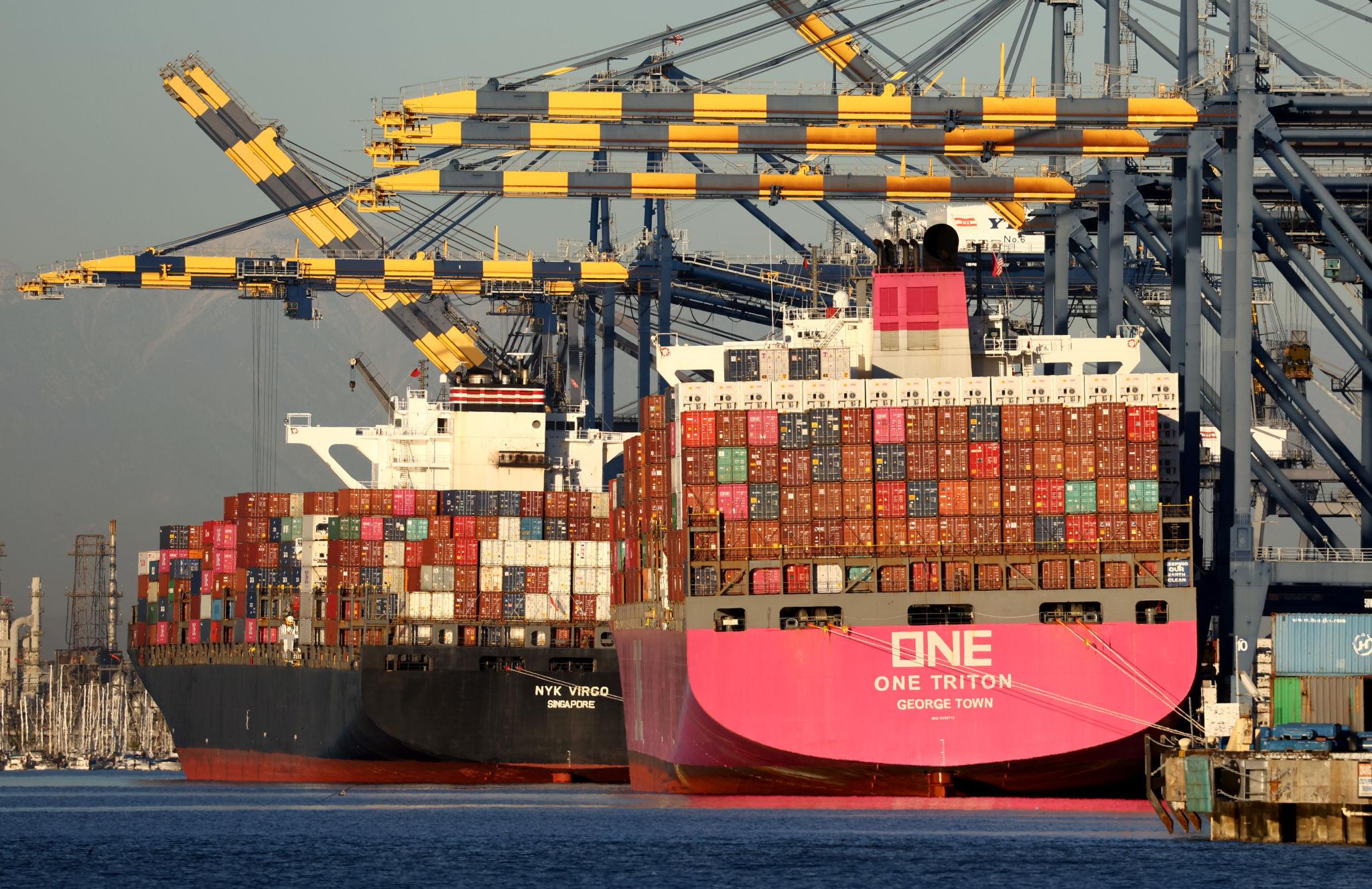
Global markets responded with measured optimism. Equity indices in import heavy sectors showed moderate gains as investors recalibrated cost projections. Retailers, electronics importers, and logistics companies could experience gradual relief from reduced tariff burdens.
Within hours of the announcement, analysts described the US trade policy update as a stabilizing force. Reduced uncertainty often enhances investor confidence, particularly when policy shifts are grounded in judicial clarity.
Currency markets also reflected subtle adjustments. Traders interpreted the decision as potentially easing trade tensions, which may influence capital flows and exchange rates over time.
Impact on Domestic Manufacturing
While importers may benefit, domestic manufacturers that relied on protective tariffs face renewed competitive pressure. Policymakers now confront the challenge of supporting domestic industry without exceeding constitutional authority.
Industry representatives expressed concern that removing certain duties could increase foreign competition. However, others argue that predictable trade frameworks ultimately foster innovation and efficiency.
This phase of the US trade policy update may lead Congress to revisit legislative tools designed to protect critical industries while remaining within judicial boundaries.
International Diplomatic Implications
Foreign governments are closely observing the policy adjustment. Nations previously affected by contested tariffs may interpret the move as an opening for renewed dialogue.
Diplomatic channels are expected to intensify engagement following the US trade policy update, particularly in sectors such as technology, energy, and agriculture. Trade negotiations that previously stalled due to tariff disputes could regain momentum.
One senior trade diplomat remarked,
“Policy certainty strengthens trust between trading partners and reduces friction in global commerce.”
The shift may also influence multilateral trade discussions and regional agreements.
Administrative Implementation and Compliance
Federal agencies including customs authorities and treasury departments are coordinating implementation procedures. Systems must be updated to ensure immediate compliance with the Supreme Court ruling.
The operational component of this US trade policy update involves halting collection processes and reviewing potential refund mechanisms. Legal experts caution that retroactive reimbursement could require separate adjudication.
Officials emphasized transparency and clarity in communicating changes to businesses and international partners.
Consumer Price Considerations
Consumers may experience gradual price adjustments as import costs stabilize. Retail pricing often reflects supply chain cycles, meaning immediate changes are unlikely.
Economists suggest that the US trade policy update could contribute to easing price pressures in select product categories over time. However, broader inflation trends depend on multiple factors including energy prices and labor costs.
Market observers emphasize that while tariffs influence costs, they represent only one variable in complex pricing ecosystems.
Political Debate and Legislative Prospects
The decision has triggered renewed debate within Congress. Lawmakers across party lines acknowledge that trade policy remains a powerful economic instrument.
Some argue that the US trade policy update demonstrates the need for clearer statutory frameworks to guide executive action. Others contend that flexibility remains essential in responding to global economic challenges.
Future legislative proposals may aim to redefine the parameters of emergency trade powers while preserving strategic agility.
The Evolution of Tariff Authority in the United States
Throughout American history, tariff policy has oscillated between protectionism and liberalization. From early revenue generating duties in the nineteenth century to strategic tariffs during industrial expansion, trade tools have often reflected broader economic philosophy.
The Smoot Hawley Tariff Act of 1930 remains one of the most debated examples of protectionist policy. In contrast, post World War II trade liberalization efforts emphasized global cooperation and multilateral agreements.
The current US trade policy update fits within this historical continuum. It underscores the ongoing tension between national economic security and global integration, reminding policymakers that trade strategy evolves alongside constitutional interpretation.
Strategic Trade Policy in a Changing World
Trade policy today extends beyond traditional tariffs. It encompasses technology transfers, supply chain resilience, and national security considerations.
The 2026 US trade policy update highlights how legal clarity influences strategic planning. Policymakers must balance economic competitiveness with statutory compliance.
Energy markets, semiconductor supply chains, and agricultural exports all intersect with tariff frameworks. As global alliances shift, the architecture of trade policy must adapt without undermining institutional stability.
Global Supply Chains and Corporate Planning
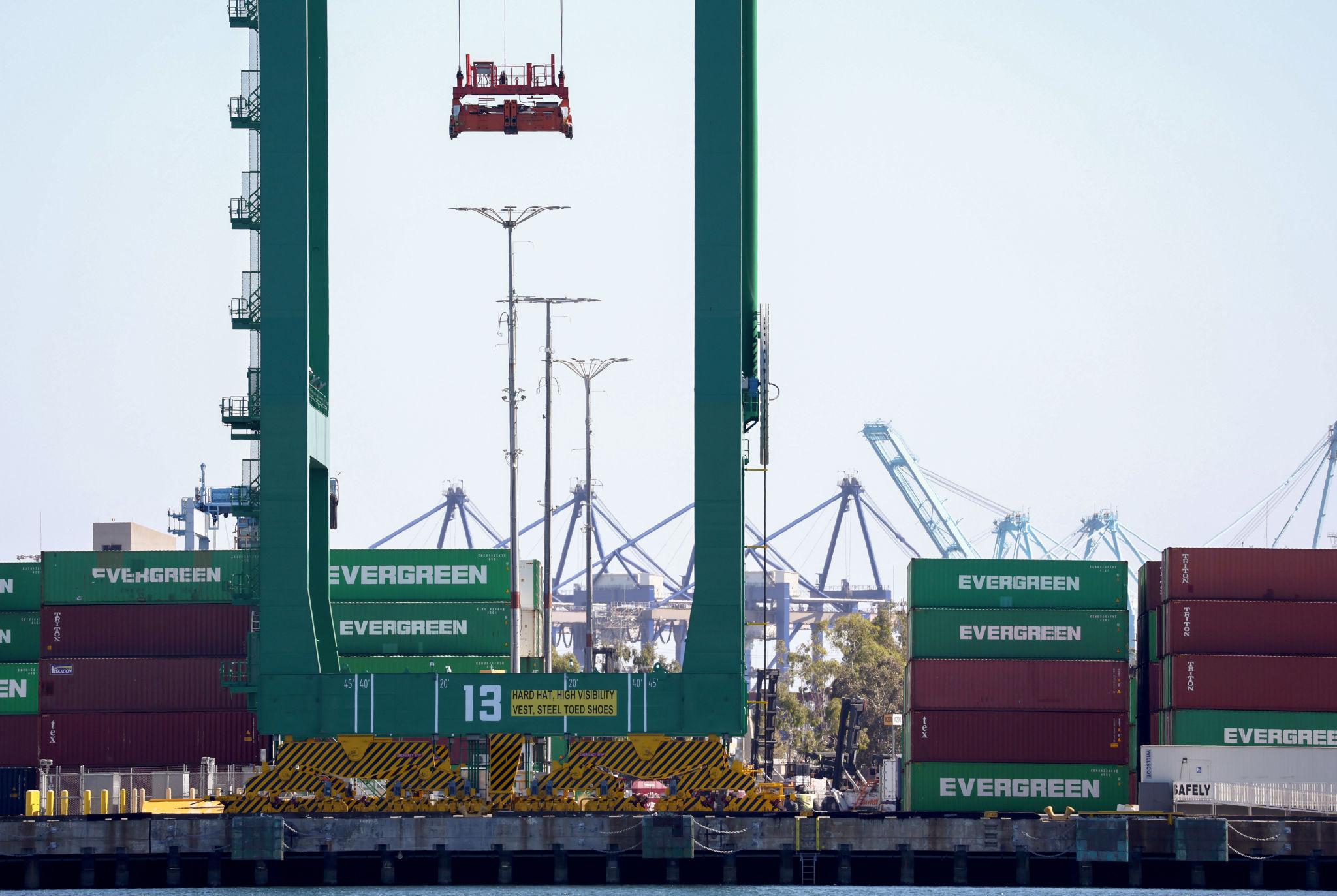
Multinational corporations are reassessing procurement strategies in light of the ruling. Reduced tariff uncertainty enhances long term planning and capital allocation decisions.
Executives note that the US trade policy update offers a clearer roadmap for evaluating supplier relationships and cross border investments. Stability encourages innovation and expansion.
Logistics companies also anticipate recalibrated trade flows as import patterns adjust.
Investor Sentiment and Economic Forecasting
Financial analysts view the ruling as reinforcing institutional reliability. Markets often favor environments where legal frameworks are predictable.
The US trade policy update reduces ambiguity surrounding contested duties, allowing investors to refine earnings projections. While short term volatility may occur, long term clarity typically supports growth.
Economic forecasting models now incorporate revised assumptions about tariff revenues and import costs.
Institutional Balance and Democratic Governance
Beyond economics, the ruling underscores the functioning of democratic checks and balances. The judiciary’s role in reviewing executive authority reinforces constitutional structure.
By implementing the US trade policy update, federal agencies demonstrate adherence to judicial oversight. This alignment strengthens credibility in both domestic and international contexts.
One policy advisor stated,
“Trade strategy must be both competitive and constitutional. Sustainable economic power rests on legal legitimacy.”

The Constitutional Horizon of Commerce
The long term implications extend well beyond tariff suspension. The 2026 US trade policy update establishes a benchmark for how executive authority intersects with legislative intent.
Future administrations may exercise heightened caution when invoking emergency statutes for extended trade measures. Congress may seek clearer language to prevent ambiguity.
As Washington DC moves forward, the intersection of law and commerce will continue shaping American economic identity.
The present moment represents more than policy correction. It reflects institutional recalibration, global signaling, and economic repositioning.
The 2026 US trade policy update stands as a reminder that in a constitutional republic, economic ambition must remain tethered to statutory authority. Markets evolve, alliances shift, and political debates intensify, yet the foundational framework endures.