Amman — March 28, 2026 — Brussels Morning Newspaper — Jordan defense alert has been triggered following reports that multiple air bases were targeted in a series of coordinated attacks, raising serious concerns across the region. Authorities in Jordan confirmed heightened military readiness as investigations continue into the incident.
The Jordan defense alert comes after early reports indicated drone activity near key defense installations. Emergency protocols were activated immediately, with air defense systems responding to potential threats.
“Our forces are fully prepared and vigilant to safeguard national security,”
a senior defense official stated.
What Triggered the Jordan Defense Alert?
Strategic Importance of Jordan’s Air Bases
The Jordan defense alert highlights the critical role of the country’s air bases in regional security. These facilities are essential for coordination, surveillance, and logistical support across the Middle East.
Jordan has long been viewed as a stable partner in a volatile region, making any threat to its infrastructure particularly significant.
Experts note that attacks on such locations can carry both military and political implications.
Rising Regional Tensions
The Jordan defense alert emerges amid ongoing tensions involving Iran and the United States.
Analysts warn that incidents like these could escalate into broader conflict if not contained.
“The region is already on edge, and actions like this increase the likelihood of further escalation,”
a regional analyst explained.
Government Response and Security Measures
Following the Jordan defense alert, authorities moved quickly to reassure the public. Security forces have increased patrols around key military and civilian infrastructure.
Officials emphasized that defensive systems were effective in mitigating potential threats and preventing significant damage.
Surveillance operations have also been expanded to monitor any additional activity.
International Reactions
The Jordan defense alert has drawn attention from global leaders and defense organizations. Several countries have expressed concern over the potential impact on regional stability.
Military alliances operating in the region are reportedly reviewing their security protocols to address emerging threats.
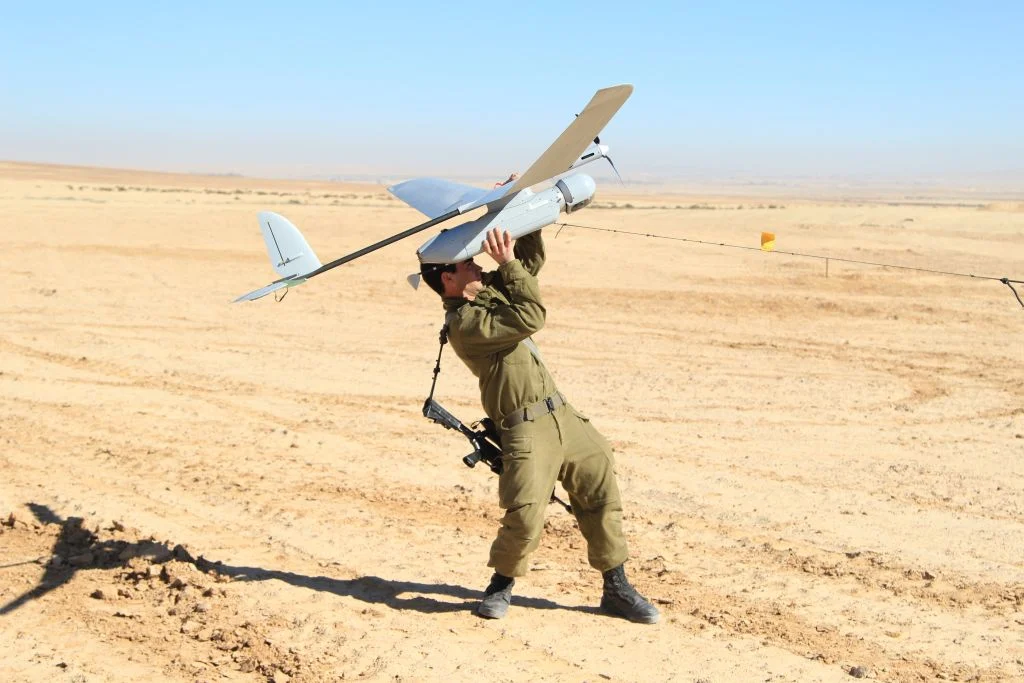
The Expanding Influence of Unmanned Aerial Systems
Recent developments highlight how unmanned aerial systems are reshaping modern conflict dynamics. These technologies are increasingly favored for precision operations due to their cost efficiency, adaptability, and reduced risk to personnel.
Defense analysts note that such systems are no longer limited to major military powers, making them a growing concern across multiple regions. As a result, governments are accelerating investments in detection systems, electronic countermeasures, and layered air defense strategies to safeguard critical infrastructure.
Broader Economic and Strategic Implications
Heightened military readiness in response to aerial threats can extend beyond immediate security concerns. Countries positioned as regional hubs may face indirect pressures on trade routes, logistics networks, and foreign investment confidence.
While no major disruptions have been confirmed, experts suggest that even short-term instability can influence market sentiment and operational planning for international businesses. Strategic corridors and supply chains remain under close observation as the situation evolves.
Ongoing Developments and Next Steps
Authorities continue to assess the situation, with further updates expected as investigations progress. Military and security agencies are maintaining an elevated state of readiness while reviewing intelligence and operational data.
Diplomatic channels may also play a critical role in reducing tensions, as regional and international stakeholders seek to prevent further escalation. Observers remain alert for any additional incidents that could shift the current outlook.