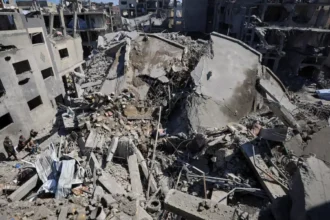
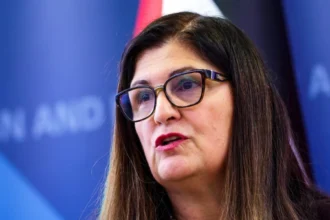
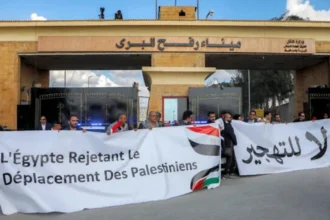
Gaza City, Gaza Strip – February 15, 2026 – Brussels Morning Newspaper — Israeli airstrikes kill 9 in Gaza, according to Palestinian health officials, after overnight strikes struck residential areas and a tent encampment housing displaced civilians. The latest escalation in Gaza in 2026 has intensified global concern over civilian safety and the worsening humanitarian situation in the region.
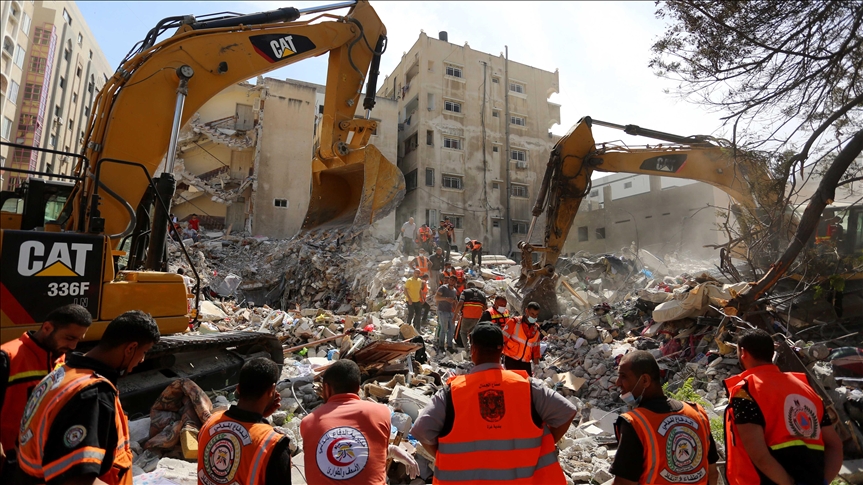
Local authorities confirmed that emergency crews recovered nine bodies from rubble and transported multiple wounded individuals to nearby hospitals. Several victims were reportedly sheltering in temporary tents set up after earlier rounds of fighting damaged their homes.
Timeline of the Overnight Strikes
The airstrikes were reported shortly after midnight local time. Residents described hearing multiple explosions across different neighborhoods, followed by thick plumes of smoke rising above densely populated districts.
Palestinian civil defense teams mobilized immediately, navigating debris-filled streets to reach affected buildings. Officials stated that Israeli airstrikes kill 9 in Gaza during what they described as targeted operations. Witnesses reported chaos and confusion as families attempted to evacuate amid ongoing explosions.
Hospitals across Gaza activated emergency protocols as ambulances delivered casualties within minutes of the blasts.
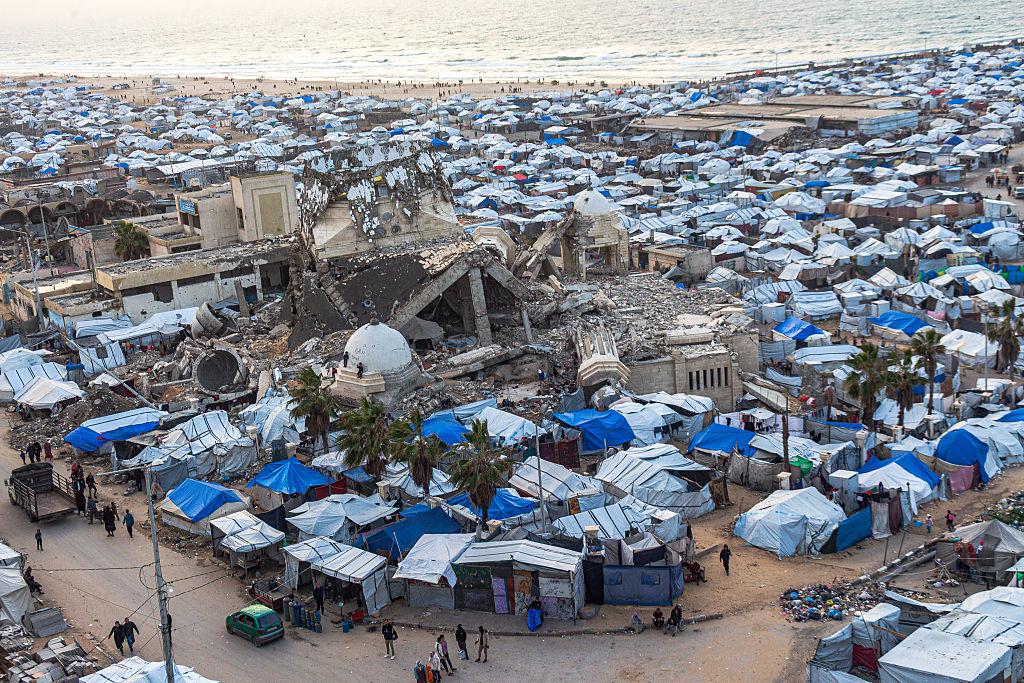
Strike Near Displacement Camp Raises Alarm
One of the most distressing aspects of the incident was a strike near a tent camp housing displaced families. Israeli airstrikes kill 9 in Gaza including individuals who had sought refuge in makeshift shelters after being forced from their homes by previous violence.
Community leaders said the encampment consisted primarily of families with children and elderly residents. Aid workers confirmed structural damage to several tents and nearby temporary facilities.
A volunteer working at the camp said,
“We believed this area would be safe for families who had already lost everything.”
The statement underscores the growing fear among displaced civilians who have limited options for safe shelter.
Casualties and Medical Response
Local health authorities confirmed nine fatalities and numerous injuries following the strikes. Israeli airstrikes kill 9 in Gaza amid mounting pressure on medical facilities that are already struggling with shortages of medicine, fuel, and surgical supplies.
Doctors described emergency rooms filled beyond capacity. Several injured individuals remain in critical condition. Medical staff worked continuously through the night, performing surgeries and stabilizing patients.
Humanitarian organizations have repeatedly warned that Gaza’s healthcare infrastructure is fragile and vulnerable to further strain.
Civilian Impact in a Densely Populated Territory
Gaza remains one of the most densely populated areas in the world. When Israeli airstrikes kill 9 in Gaza, the impact reverberates across tightly packed neighborhoods where residential buildings stand close together.
Families reported shattered windows, collapsed walls, and widespread damage to surrounding structures. Many residents are now facing renewed displacement.
A local resident described the moment of impact, saying,
“The explosion shook the ground beneath us. We thought the entire block had collapsed.”
The comment reflects the fear experienced by civilians during nighttime operations.
Israeli Military Position
Israeli military officials have consistently maintained that operations are aimed at dismantling militant infrastructure and protecting national security. They have stated in past briefings that militant groups operate within civilian areas, complicating targeting decisions.
However, when Israeli airstrikes kill 9 in Gaza, international observers often call for investigations to determine whether civilian protection protocols were followed.
Security analysts note that urban warfare environments significantly increase the risk of unintended casualties.
Regional Diplomatic Reactions
The incident has drawn reactions from regional governments and international organizations. Several leaders reiterated calls for restraint and adherence to international humanitarian law.
Diplomatic sources indicated that ceasefire discussions remain fragile. When Israeli airstrikes kill 9 in Gaza, negotiations aimed at reducing hostilities face additional challenges.
Global agencies have urged both parties to prioritize civilian safety and allow humanitarian access to affected communities.
Humanitarian Crisis Deepens
Israeli airstrikes kill 9 in Gaza at a time when the territory is already facing severe shortages of clean water, electricity, and medical supplies. Aid deliveries have been inconsistent due to security and logistical challenges.
Relief organizations emphasize the urgent need for safe corridors to deliver food, medicine, and shelter materials. Displacement camps continue to expand as families search for safer ground.
Children and elderly residents remain among the most vulnerable populations in the ongoing crisis.
Infrastructure Damage and Daily Life Disruption
Beyond the immediate fatalities, the strikes caused structural damage to nearby buildings and public utilities. Electricity lines were reportedly disrupted in several districts.
When Israeli airstrikes kill 9 in Gaza, daily routines grind to a halt. Schools suspend operations, markets close, and transportation becomes limited.
The economic impact compounds the humanitarian toll, as many families already struggle with unemployment and restricted mobility.
History of Escalation in Gaza
The current escalation reflects a pattern seen over decades of conflict in Gaza. Previous cycles of violence have resulted in widespread destruction, temporary ceasefires, and renewed tensions.
Israeli airstrikes kill 9 in Gaza during a broader history of recurring hostilities between Israel and armed groups operating in the territory. Over the years, international mediation efforts have attempted to stabilize the region, but long term political solutions have remained elusive.
Past escalations have similarly drawn global attention, humanitarian appeals, and diplomatic interventions. The repetition of such incidents underscores the unresolved nature of the conflict.

Geopolitical Implications Beyond Gaza
Regional stability often hinges on developments within Gaza. When Israeli airstrikes kill 9 in Gaza, neighboring states and global powers closely monitor potential ripple effects.
Security analysts warn that sustained escalation could widen tensions across the region. Diplomatic channels remain active, though fragile.
The incident highlights the delicate balance between security objectives and humanitarian considerations.
Voices from the Ground
Residents continue to share personal accounts of survival and loss. One aid worker described the emotional toll, stating, “Every time there is a strike, families relive the trauma all over again.”
Israeli airstrikes kill 9 in Gaza in a context where many civilians have endured repeated displacement. The psychological impact on children and families is profound.
Community leaders are calling for calm and renewed diplomatic engagement to prevent further loss of life.
International Human Rights Concerns
Human rights organizations have called for independent reviews whenever civilian casualties occur. When Israeli airstrikes kill 9 in Gaza, advocacy groups emphasize the importance of transparency and accountability.
International humanitarian law requires protection of civilians during armed conflict. Observers stress that adherence to these principles is critical to preventing further tragedy.
The Path Forward Amid Uncertainty
As recovery efforts continue, attention turns toward diplomatic initiatives aimed at preventing further escalation. Israeli airstrikes kill 9 in Gaza in a moment that underscores the urgency of political dialogue.
Humanitarian agencies are focusing on immediate relief, while regional mediators attempt to stabilize the situation. The coming days are likely to shape whether tensions subside or intensify.
Aftermath and Ongoing Recovery
Cleanup and rescue operations continued throughout the day following the strikes. Civil defense crews searched for additional survivors, while families mourned those lost.
Israeli airstrikes kill 9 in Gaza, leaving communities grappling with grief and uncertainty. Aid workers are coordinating emergency shelter and medical support for affected families.
The humanitarian response remains critical in addressing immediate needs.
A City Between Conflict and Hope
Gaza’s residents have endured repeated cycles of destruction and rebuilding. Israeli airstrikes kill 9 in Gaza in 2026, adding another chapter to a long and painful history.
Despite ongoing tensions, many residents express hope for lasting stability. Diplomatic efforts continue behind the scenes as global leaders seek pathways toward de escalation.
For now, the focus remains on recovery, humanitarian assistance, and preventing further civilian casualties.