

Asian export economy risk increases in 2026 amid tariff tensions.
Singapore and regional markets adjust to export uncertainty.
Policymakers focus on diversification and economic resilience.
Singapore, February 21, 2026 — Brussels Morning Newspaper — The Asian export economy risk has moved to the forefront of global economic discussions in 2026 as renewed tariff tensions, moderating Western demand, and supply chain restructuring create uncertainty for Asia’s manufacturing driven economies. Governments across the region are assessing the scale of potential disruption while financial markets react cautiously to shifting trade signals.
Trade Tensions Reshape Asia’s Growth Outlook
The Asian export economy risk has become a defining theme of 2026 as policymakers examine the region’s exposure to slowing demand in North America and Europe. Export driven growth has powered Asia’s rise for decades, but fresh trade measures and geopolitical tensions have introduced renewed volatility into global commerce.
In Singapore, economic officials acknowledged that open markets remain vital to regional prosperity. However, the Asian export economy risk reflects the reality that external shocks can ripple quickly through interconnected supply chains. Manufacturing centers from South Korea to Vietnam are closely monitoring new tariff developments and trade policy adjustments.
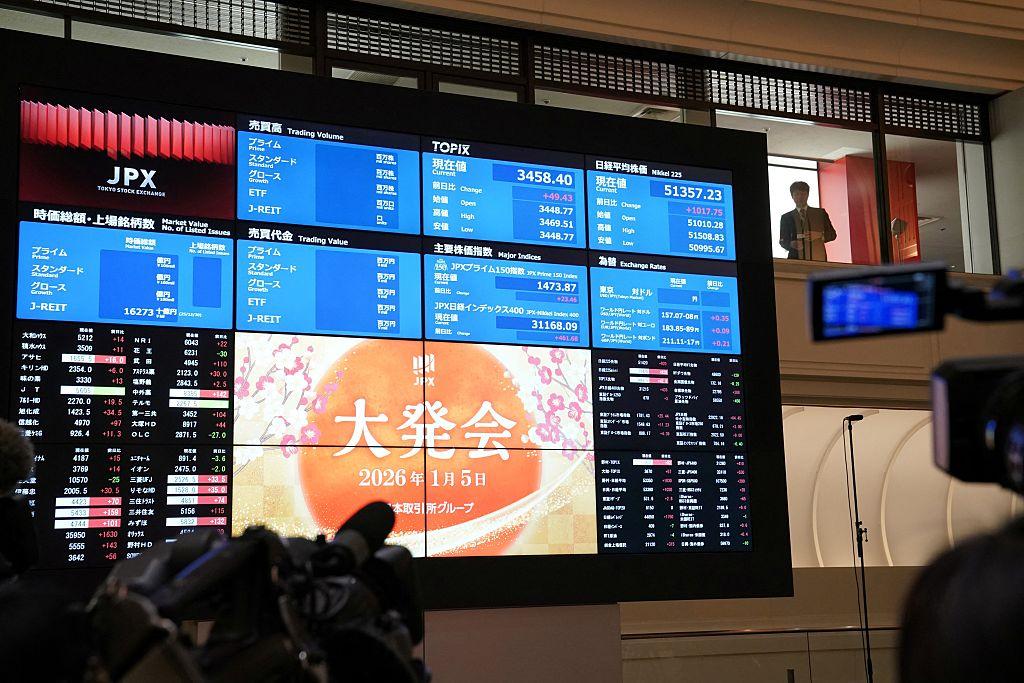
Equity markets across the region have shown moderate swings, particularly in export heavy sectors such as semiconductors, automotive manufacturing, and consumer electronics. Analysts note that uncertainty often weighs more heavily than concrete policy changes, as businesses delay investment decisions while awaiting clarity.
Financial Market Reactions Across Asia
Investors have responded cautiously to signs of slowing export orders. In Tokyo and Seoul, technology stocks experienced short term volatility as traders assessed earnings projections. Currency markets have also reflected sensitivity, with modest adjustments linked to trade expectations.
The Asian export economy risk extends beyond stock valuations. Bond markets are closely watching credit conditions among export dependent corporations. While liquidity remains stable, investors are pricing in a higher degree of caution.
Central banks have emphasized policy continuity. Monetary authorities are prepared to manage excessive currency volatility if necessary, but most have avoided dramatic shifts. The objective remains stability while monitoring evolving trade patterns.
Supply Chains Under Structural Pressure
Modern supply chains stretch across multiple borders. A single tariff announcement can affect raw materials, intermediate goods, and final assembly operations. The Asian export economy risk is therefore not confined to finished exports but permeates entire production ecosystems.
Electronics manufacturers, for example, rely on components sourced from various Asian economies before shipping final products abroad. If Western demand slows, upstream suppliers experience reduced orders. Companies are now exploring alternative markets and diversification strategies to mitigate vulnerability.
Logistics providers report increased demand for flexible warehousing and route optimization. These adjustments reflect proactive management rather than crisis response, but they underscore sensitivity to global trade signals.
Government Policy Responses
Governments across Asia are taking steps to cushion potential impacts. Singapore has reiterated its commitment to free trade agreements while strengthening domestic innovation policies. South Korea and Japan are focusing on strategic industries to maintain competitiveness.
The Asian export economy risk has also revived interest in regional trade integration. Agreements such as the Regional Comprehensive Economic Partnership offer pathways to expand intra Asian commerce, reducing reliance on Western markets.
Fiscal stimulus measures targeting small and medium enterprises are being discussed in several countries. These initiatives aim to preserve employment and support businesses embedded within export supply chains.
Employment and Social Stability
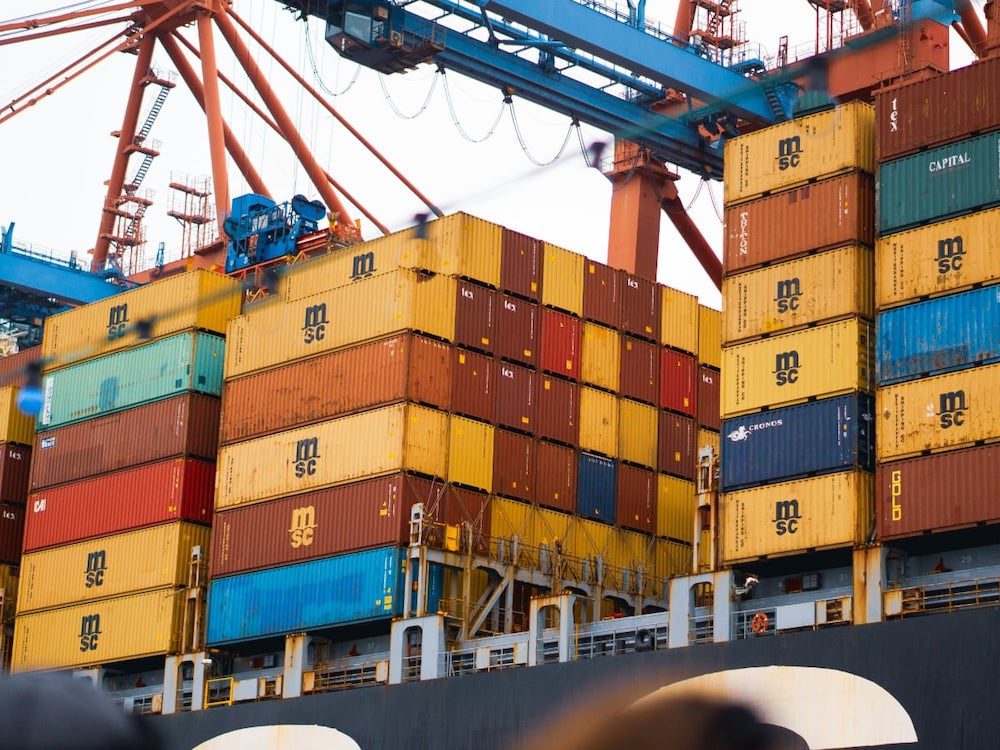
Export industries employ millions throughout Asia. Factory workers, port operators, engineers, and logistics professionals depend on stable trade flows. The Asian export economy risk therefore carries social dimensions beyond financial data.
Labor ministries are tracking employment indicators closely. Although layoffs remain limited in early 2026, contingency planning is underway should export orders decline significantly.
Small businesses supplying components to larger manufacturers face particular vulnerability. Governments are exploring credit guarantees and tax relief to provide stability during uncertain months.
Currency Management and Inflation Considerations
Exchange rates play a critical role in export competitiveness. If currencies appreciate excessively, exports may become less competitive abroad. Conversely, depreciation can increase import costs.
The Asian export economy risk intersects with inflation management. Policymakers must balance support for exporters with price stability. Singapore’s exchange rate centered framework remains designed to manage such tradeoffs effectively.
Central banks across the region emphasize data driven decisions rather than reactive measures. Stability remains the guiding principle amid uncertainty.
Sector Specific Exposure
Technology manufacturing remains highly sensitive to global demand cycles. Semiconductor exports, a cornerstone of several Asian economies, depend heavily on stable consumer electronics markets.
The Asian export economy risk also affects automotive exports and heavy machinery. These industries rely on both stable demand and efficient cross border logistics.
Service oriented economies experience indirect effects through financial markets and investor confidence. Diversification remains a central objective for policymakers seeking to mitigate sector specific vulnerabilities.
Diplomatic Engagement and Trade Dialogue
Trade disputes are not resolved solely through economic tools. Diplomatic channels remain active as Asian governments engage key trading partners to clarify tariff policies and seek exemptions where possible.
The Asian export economy risk underscores the importance of multilateral cooperation. Clear communication reduces speculation and supports market stability.
Regional forums have intensified dialogue aimed at preventing escalation. Leaders emphasize that open markets remain fundamental to shared prosperity.
Evolution of Export Led Growth
Asia’s export driven strategy emerged in the postwar period, beginning with Japan’s industrial expansion and later extending to South Korea, Taiwan, and Southeast Asia. Over decades, integration into global supply chains transformed the region into a manufacturing powerhouse.
The Asian export economy risk today reflects both the success and vulnerability of that model. Dependence on external demand has generated prosperity but also exposure to global volatility.
Past episodes of trade tension demonstrate resilience. During earlier tariff cycles and financial crises, Asian economies adapted through diversification and innovation.
Investor Outlook and Economic Forecasts
Economic forecasts for 2026 remain cautiously optimistic. Growth projections have been revised slightly downward in some countries, reflecting export uncertainty. However, domestic consumption and infrastructure investment provide partial offsets.
The Asian export economy risk is being monitored alongside technological advancements and regional integration initiatives. Analysts emphasize that Asia’s long term fundamentals remain strong.
One regional economist stated,
“While trade volatility presents challenges, Asia’s capacity to adapt has repeatedly proven resilient.”
Structural Reform and Innovation
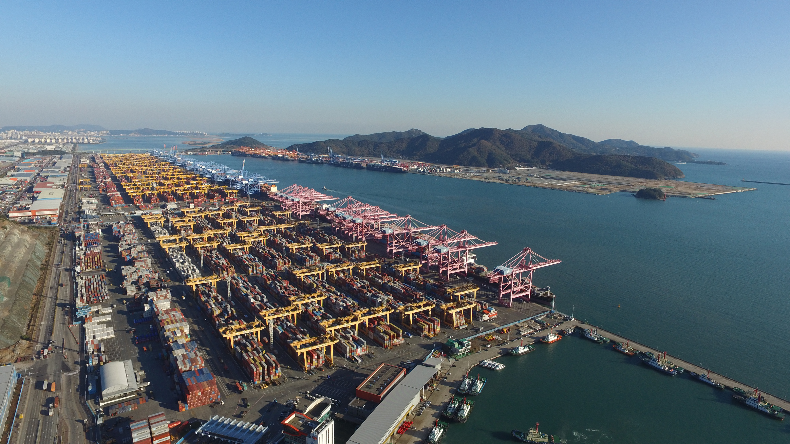
Periods of uncertainty often accelerate structural change. Governments are investing in digital transformation, renewable energy, and advanced manufacturing to reduce reliance on traditional export sectors.
The Asian export economy risk may serve as a catalyst for modernization. By strengthening domestic markets and regional partnerships, Asia can create more balanced growth trajectories.
Education and workforce development programs are expanding to prepare workers for evolving industrial demands.
Looking Ahead: Stability in a Changing Trade Landscape
As 2026 progresses, the trajectory of global trade will depend on diplomatic negotiations and consumer confidence in major markets. The Asian export economy risk remains present but manageable under current conditions.
Singapore and regional leaders emphasize cooperation, diversification, and fiscal prudence. Markets continue to watch trade announcements and export data closely.
While uncertainty persists, Asia’s economic foundations provide grounds for cautious optimism. Policymakers are focused not only on navigating immediate challenges but also on shaping a more resilient trade framework for the future.
Resilience Amid Uncertainty
The Asian export economy risk stands at the center of Asia’s economic conversation in 2026. Trade pressures and shifting demand patterns pose challenges, yet the region’s history of adaptability remains a defining strength.
Through policy coordination, diplomatic engagement, and structural reform, Asian economies aim to sustain growth despite external headwinds. As the global trade environment evolves, resilience and diversification will determine how effectively the region manages ongoing uncertainty.