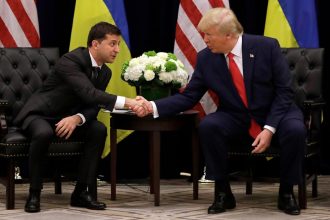
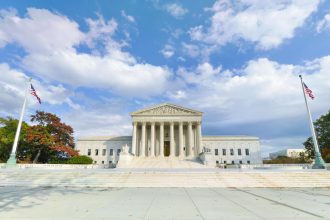
The Trump executive power case reaches a critical decision in Washington, D.C., 2026.
The Supreme Court clarifies limits of presidential authority under federal law.
Legal analysts say the ruling strengthens separation of powers doctrine.
Washington, D.C., February 21, 2026 — Brussels Morning Newspaper — The Trump executive power case entered a decisive phase in 2026 as the United States Supreme Court evaluated the constitutional scope of presidential authority, placing executive discretion at the center of a national and international legal debate. The ruling is widely viewed as a defining moment for the balance of power between the executive branch and Congress, with long term implications for American governance.
Presidential Authority Faces Supreme Court Review
The Trump executive power case focuses on whether a president may rely on broadly written federal statutes to justify sweeping executive actions without clear and explicit congressional authorization. The dispute emerged after executive measures were implemented under statutory language critics argued did not authorize such expansive interpretation.
Supporters of former President Donald Trump maintain that the Constitution provides flexibility for the executive branch to respond swiftly to economic and national security challenges. Opponents counter that flexibility must operate within constitutional guardrails and that ambiguous laws cannot serve as open ended grants of authority.
The legal journey of the Trump executive power case moved swiftly through lower courts before arriving at the Supreme Court, where constitutional interpretation becomes definitive.
Separation of Powers at the Center of Debate
At its core, the Trump executive power case is about the structure of American government. The Constitution divides authority among three branches to prevent concentration of power.
Article I assigns legislative power to Congress, Article II vests executive authority in the president, and Article III empowers the judiciary to interpret the law. When questions arise about whether executive action exceeds statutory or constitutional limits, the Court acts as arbiter.
Several justices emphasized that executive authority is strongest when Congress has clearly delegated power and weakest when executive action contradicts legislative intent. The Trump executive power case required the Court to determine where on that spectrum the challenged actions fell.
A constitutional law professor noted,
“This decision underscores that the presidency, while powerful, operates within clearly defined constitutional boundaries.”
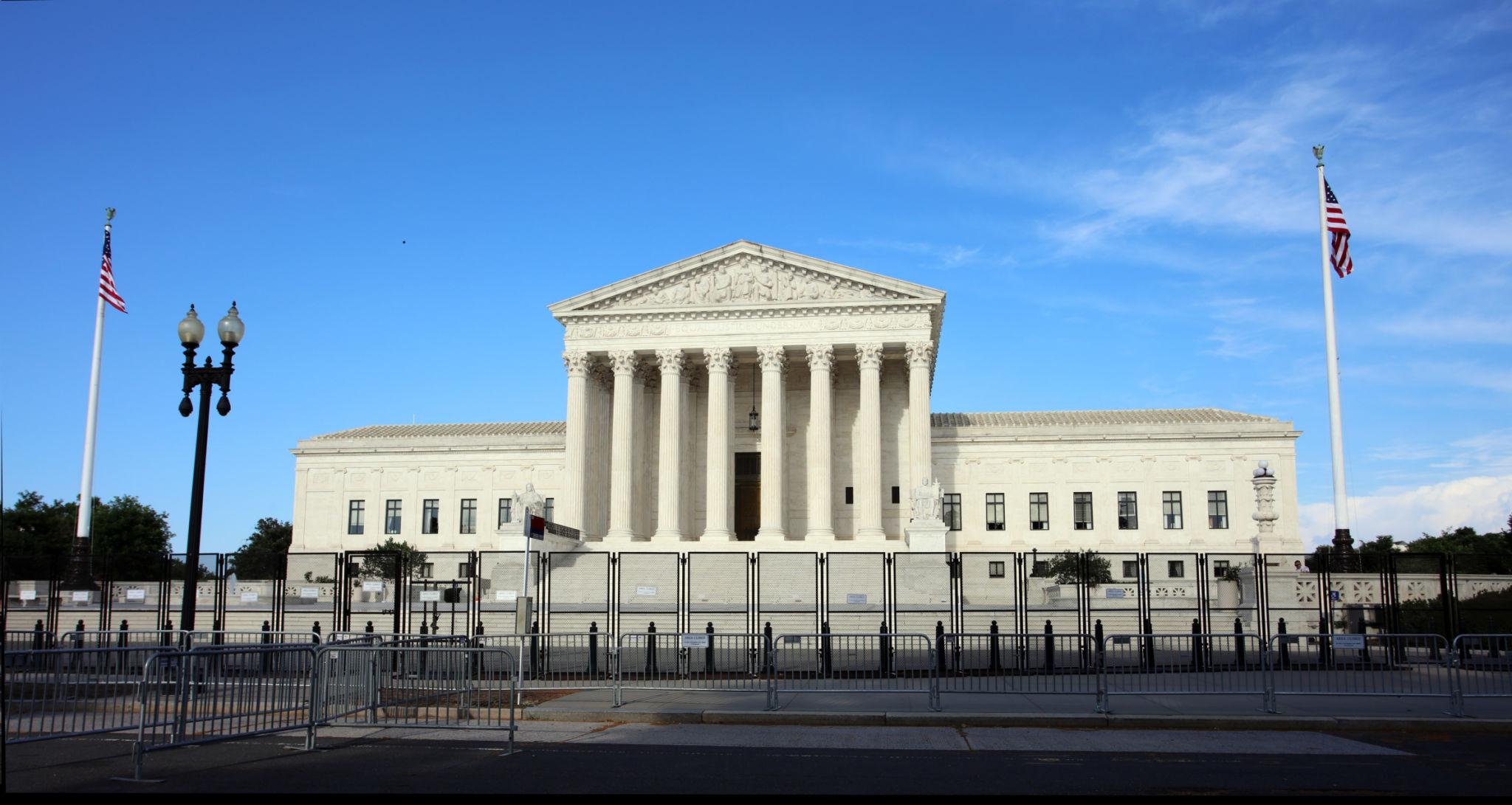
Arguments Presented During Oral Hearings
Attorneys defending the administration argued that Congress had provided adequate statutory support. They emphasized the need for decisive executive action in a rapidly changing global environment.
Opposing counsel argued that the statutory language cited by the administration was too broad and lacked specific authorization for the actions taken. They warned that accepting such expansive interpretation would set precedent enabling future administrations to assert even broader authority.
Throughout oral arguments, the phrase Trump executive power case became shorthand for a broader institutional debate. Justices questioned whether upholding the executive’s interpretation would effectively weaken Congress’s constitutional role.
Legal analyst Robert Hayes observed,
“The Court is not simply ruling on policy but on the architecture of governance itself.”
Judicial Analysis and Constitutional Interpretation
In its opinion, the Supreme Court examined statutory text, legislative history, and constitutional structure. The majority concluded that the executive action exceeded the scope of authority clearly granted by Congress.
The Trump executive power case reinforces a principle long embedded in constitutional jurisprudence: ambiguity does not automatically translate into expansive executive discretion.
The Court’s reasoning highlighted the importance of textual clarity. Where Congress intends to delegate sweeping authority, it must do so explicitly. Without such clarity, the judiciary is reluctant to interpret statutes as granting extraordinary executive power.
One justice wrote,
“The separation of powers is not a suggestion but a structural safeguard.”
Political Reactions and Legislative Response
Reaction across Washington was immediate and divided. Some lawmakers praised the Court for reaffirming constitutional balance. Others argued that the decision could limit the president’s ability to act swiftly during crises.
Members of Congress signaled that legislative revisions may follow. Clearer statutory language could prevent similar disputes in the future.
The Trump executive power case has also influenced public discourse. Polling indicates that Americans remain divided over how much authority the presidency should wield in complex global conditions.
The Supreme Court and Presidential Power Through History
The Trump executive power case joins a long line of disputes over presidential authority. Throughout American history, presidents have asserted expansive powers during wartime, economic turmoil, and national emergencies.
In several landmark decisions, the Supreme Court has intervened to define constitutional boundaries. These rulings collectively shape how executive authority evolves within the framework established by the Constitution.
Legal historians note that disputes over executive reach often surface during politically charged periods. The 2026 ruling reflects this broader pattern of institutional tension.
By situating the Trump executive power case within historical precedent, scholars emphasize continuity in judicial oversight rather than abrupt change.
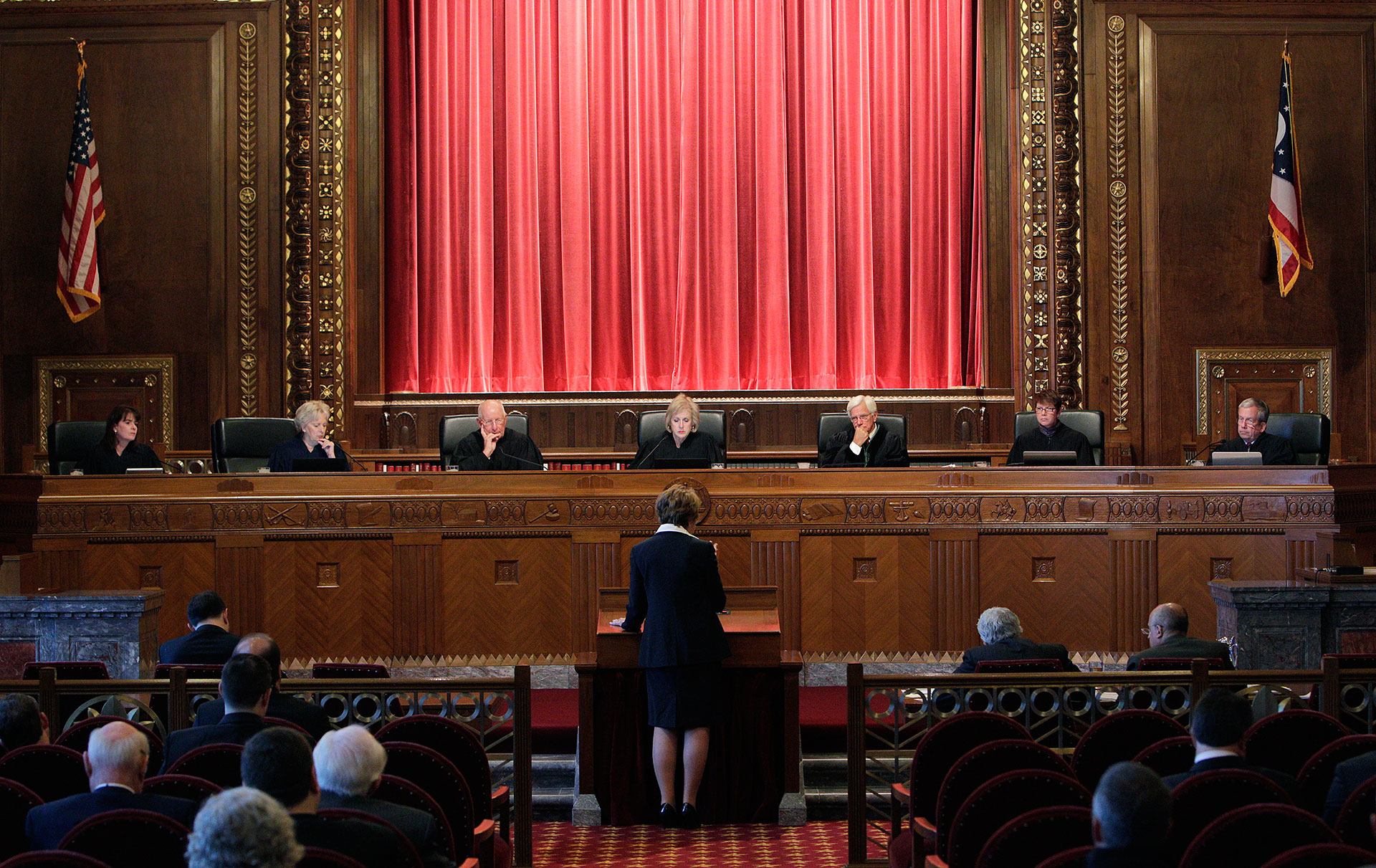
Implications for Future Administrations
Future presidents are likely to interpret the ruling as a signal to exercise caution when invoking broad statutory authority. Executive orders and administrative regulations may undergo more rigorous legal review before implementation.
The Trump executive power case establishes precedent that ambiguous statutory language may not suffice for sweeping executive measures. White House legal teams across party lines will likely factor this reasoning into future policy development.
The decision strengthens judicial oversight without stripping the executive branch of its essential functions.
Global and Economic Considerations
Although grounded in constitutional law, the implications of the Trump executive power case extend beyond domestic politics. Policies affected by the ruling may influence trade relationships, regulatory frameworks, and international perceptions of American governance.
Global observers monitor such rulings closely, as they signal the stability and predictability of U.S. policy. The case demonstrates that constitutional processes remain central to American democracy.
Media Coverage and Academic Debate
National and international media outlets have framed the ruling as a milestone in constitutional interpretation. Editorial commentary spans ideological perspectives, reflecting the politically sensitive nature of executive authority.
Law schools and constitutional scholars are analyzing the Trump executive power case as a case study in separation of powers doctrine. Academic conferences and publications are expected to examine its long term implications.
The debate underscores the dynamic nature of constitutional law in modern governance.
Long Term Constitutional Significance
The Trump executive power case may serve as a benchmark for evaluating executive authority under ambiguous statutes. Courts often rely on precedent to guide future decisions, and this ruling is likely to be cited in subsequent litigation.
By clarifying limits, the Supreme Court reinforces the institutional balance envisioned by the framers. The decision demonstrates that while executive authority is significant, it remains subject to judicial interpretation.
In Washington, D.C., 2026, the ruling stands as a reaffirmation of constitutional structure during a period of political intensity.
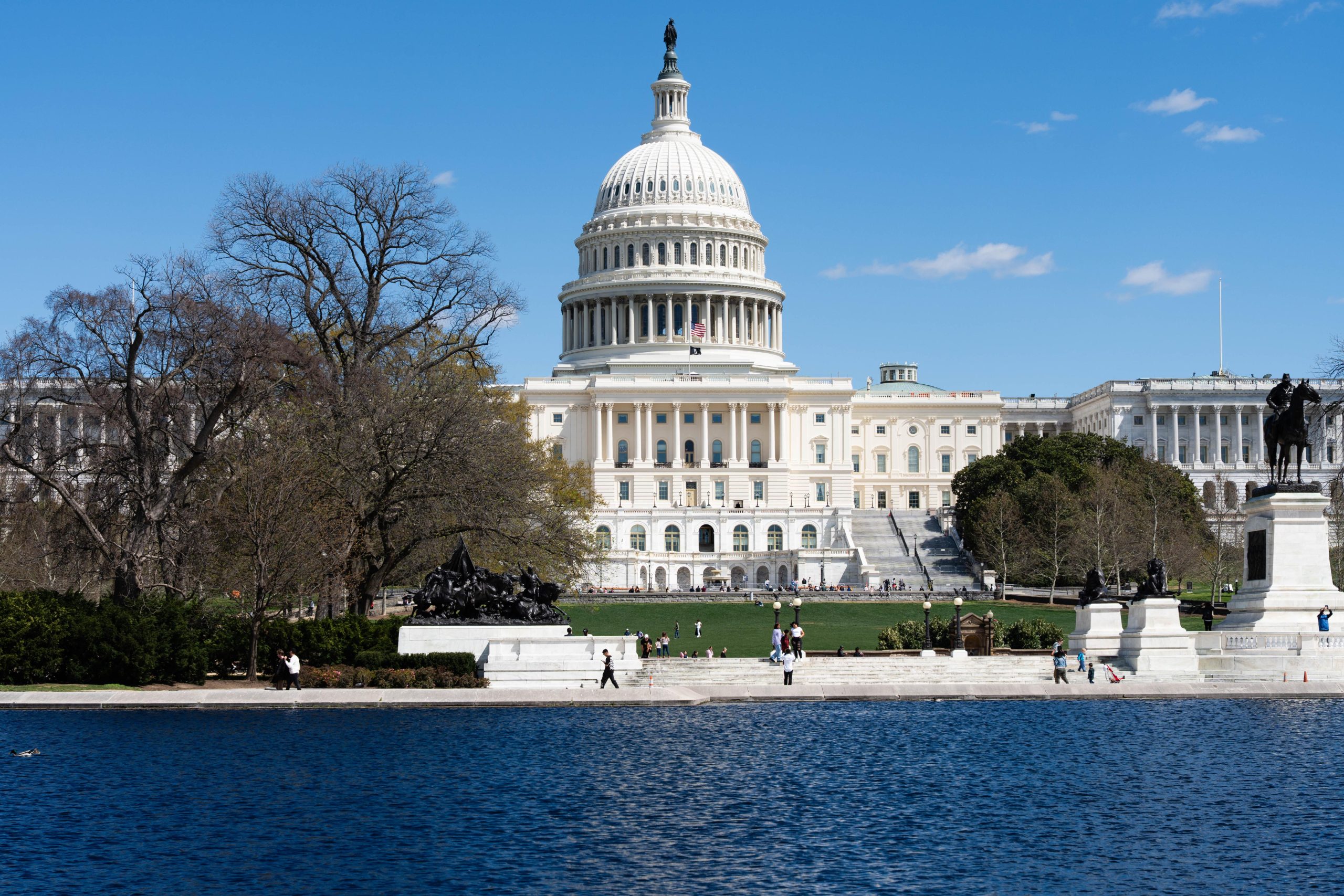
Constitutional Balance in 2026
The Trump executive power case represents a defining constitutional moment in 2026. By examining the boundaries of presidential authority, the Supreme Court has reaffirmed the structural safeguards embedded in the nation’s founding document.
Political reactions may vary, but the constitutional principle remains constant: executive power operates within limits defined by Congress and interpreted by the judiciary.
As future administrations confront complex challenges, this ruling will shape how authority is exercised and reviewed. In Washington, D.C., the decision underscores that constitutional balance continues to guide American governance in the modern era.