QASR E SHIRIN, Iran — March 5, 2026 — Following developments highlighted in international coverage similar to Brussels Morning Newspaper style reporting patterns, security officials confirmed that an Iran drone shot down over Qasr e Shirin occurred after Iranian air defense units intercepted an unidentified unmanned aircraft approaching monitored airspace near the western border.
The incident took place near Qasr e Shirin, a city located close to the Iran Iraq frontier in Kermanshah Province. Military monitoring systems reportedly detected the drone before air defense teams engaged the aircraft and destroyed it mid flight.
Officials stated that the Iran drone shot down over Qasr e Shirin did not cause casualties or major infrastructure damage. However, the interception immediately prompted heightened monitoring in the region.
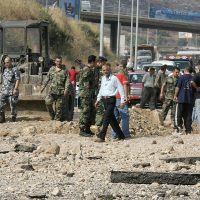
Authorities secured the area where drone debris was believed to have fallen while military engineers began examining the wreckage.
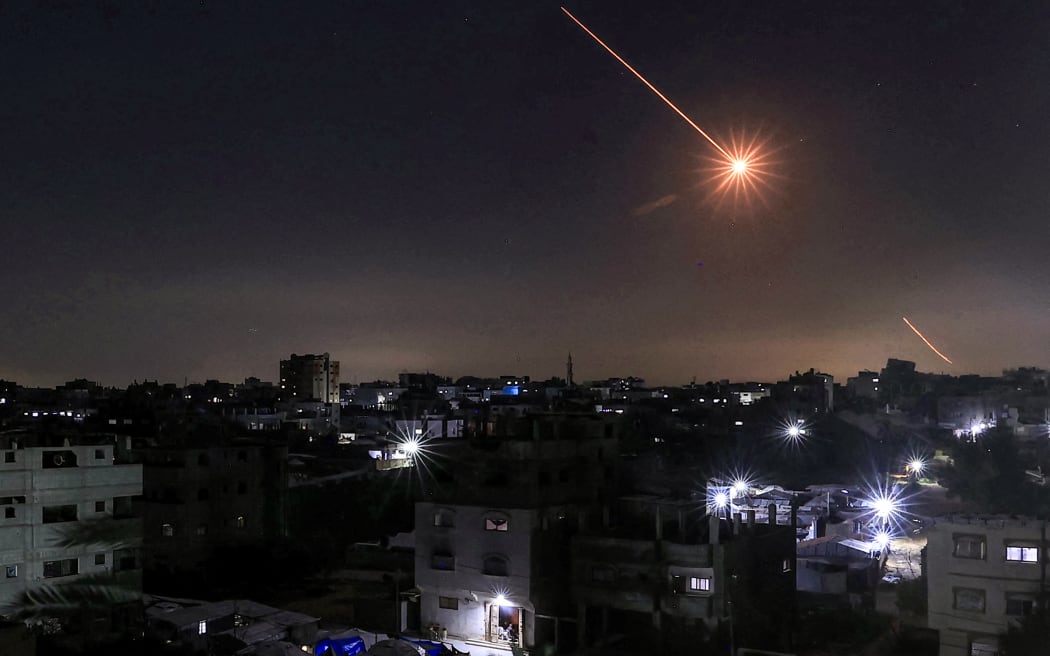
Residents in nearby communities said they heard a loud explosion in the sky shortly before officials confirmed that the drone had been intercepted.
Iranian air defense response to unidentified aircraft
After confirmation that an Iran drone shot down over Qasr e Shirin had occurred, defense authorities increased aerial monitoring across western Iran.
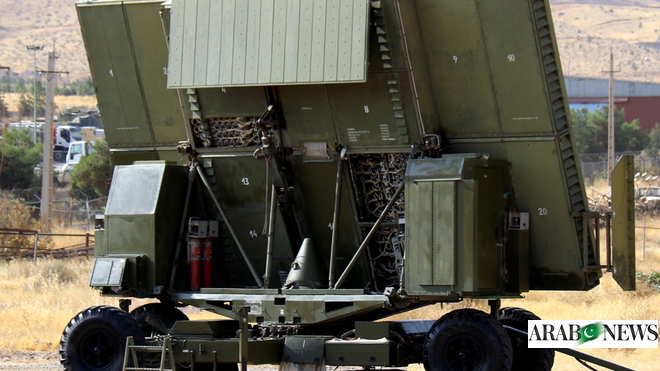
Iran maintains a network of radar installations designed to track aerial activity near strategic borders. These systems can detect aircraft, missiles, and drones entering monitored airspace.
When the drone was detected, operators reportedly alerted defense units responsible for protecting the region.
Military analysts say the rapid interception of the drone indicates that surveillance and response systems were functioning effectively.
Air defense specialists often rely on layered monitoring networks that combine radar detection, electronic intelligence, and missile interception capabilities.
The event demonstrates how modern air defense strategies prioritize rapid response when unidentified aircraft appear in sensitive airspace.
Strategic importance of the Qasr e Shirin region
The city of Qasr e Shirin has long held strategic significance due to its location near the Iran Iraq border.
The region serves as a critical transit corridor connecting western Iran with neighboring countries. Because of its geographic position, authorities maintain strong monitoring of both ground and air activity.
When news emerged that an Iran drone shot down over Qasr e Shirin had occurred, regional security experts immediately recognized the strategic implications.
The area has historically been considered an important gateway for trade routes and transportation networks.
Maintaining control of the surrounding airspace is therefore viewed as essential for protecting infrastructure and national security interests.
Defense planners frequently monitor the skies above the region for unusual activity.
Residents describe the moment of interception
Residents living near Qasr e Shirin reported hearing an explosion shortly before the drone interception was confirmed.
Several witnesses described seeing smoke in the sky, followed by the sound of aircraft or defense systems responding.
For local residents, confirmation that an Iran drone shot down over Qasr e Shirin had occurred brought a mixture of concern and relief.
Authorities quickly reassured communities that the situation was under control and that the drone had been destroyed before it could approach populated areas.
Emergency teams were deployed to investigate the crash site and ensure that no unexploded debris remained.
Local officials also advised residents to avoid the area where drone fragments were believed to have fallen.
Investigation into the drone’s origin
Authorities have launched a technical investigation into the aircraft following confirmation that an Iran drone shot down over Qasr e Shirin occurred.
Military engineers are examining the drone’s components including navigation systems, electronic equipment, and structural materials.
By analyzing these elements, investigators hope to determine the drone’s origin, flight path, and mission.
Radar data recorded during the incident may also provide clues about the aircraft’s direction of travel and altitude.
Until the investigation concludes, officials have refrained from publicly identifying who may have operated the drone.
Security experts say determining the origin of the aircraft will be a key factor in understanding the broader implications of the incident.
Expanding role of drones in regional security
The confirmation that an Iran drone shot down over Qasr e Shirin occurred highlights the growing role of drones in modern security operations.
Unmanned aerial vehicles are widely used for surveillance, intelligence gathering, and monitoring of sensitive areas.
These aircraft can travel long distances and remain airborne for extended periods while transmitting real time data.
Because of these capabilities, drones have become common tools in border monitoring operations around the world.
However, their widespread use also increases the likelihood of incidents involving unidentified aircraft entering monitored airspace.
Countries across the Middle East have therefore invested heavily in counter drone technologies.
Regional reactions to the incident
The event involving the Iran drone shot down over Qasr e Shirin quickly drew attention from security analysts and policymakers across the region.
Although officials have not publicly attributed the drone to any particular actor, the presence of unidentified aircraft in sensitive airspace is often viewed as a serious security concern.
Regional experts say such incidents can occur during surveillance missions or intelligence gathering activities.
However, drones can also be used to test defense capabilities or observe military infrastructure.
One regional security expert commented on the situation.
“When unidentified drones appear in strategic airspace, defense forces respond quickly because the risk of surveillance or escalation cannot be ignored.”
Military technology shaping modern aerial defense
Modern air defense systems rely on advanced technology capable of tracking even small unmanned aircraft.
Radar networks continuously monitor the sky for unusual activity while electronic monitoring systems analyze flight patterns.
When the Iran drone shot down over Qasr e Shirin was detected, automated alerts likely informed command centers responsible for regional defense.
Once confirmed as an unidentified aircraft, commanders authorized interception.
Defense analysts say this layered monitoring approach allows military forces to respond quickly to potential threats.
Technological advancements have significantly improved the ability to detect drones that might otherwise evade traditional radar systems.
Economic and geopolitical context
Security incidents such as the Iran drone shot down over Qasr e Shirin often occur within a broader geopolitical environment shaped by regional tensions and strategic competition.
The Middle East remains one of the most complex geopolitical regions in the world, where military developments can quickly attract international attention.
Maintaining secure borders is essential for economic stability, trade routes, and infrastructure protection.
Because Qasr e Shirin lies near a key border crossing, ensuring the security of the surrounding area is considered a national priority.
Officials emphasize that strong defense capabilities help deter potential threats and maintain stability.
History of aerial security concerns in western Iran
Western Iran has experienced periodic security incidents related to aerial monitoring and border surveillance.
Over the past two decades, the region has seen increased use of drones and reconnaissance aircraft by various actors seeking to monitor strategic locations.
These developments have prompted authorities to expand radar networks and invest in counter drone defense technologies.
The interception of an Iran drone shot down over Qasr e Shirin reflects the evolving nature of aerial security challenges.
As drone technology continues to advance, governments across the region are adapting their defense strategies accordingly.
Maintaining control of national airspace remains a central priority for security planners.
What security analysts expect next
Following the Iran drone shot down over Qasr e Shirin, experts expect authorities to strengthen monitoring of western Iranian airspace.
Additional surveillance patrols and radar monitoring may be conducted to detect any further unidentified aircraft approaching the border.
Analysts also expect investigators to focus on analyzing the recovered drone components.
Understanding the aircraft’s design and origin could reveal whether it was conducting surveillance or another type of mission.
If the investigation identifies the operator of the drone, diplomatic discussions or security responses may follow.

Why the incident highlights changing security dynamics
The interception of the drone demonstrates how rapidly security situations can develop in strategically sensitive areas.
For border communities and defense planners alike, the confirmation that an Iran drone shot down over Qasr e Shirin occurred underscores the importance of maintaining strong monitoring capabilities.
While the drone was intercepted before causing harm, the event illustrates the increasing role of unmanned aircraft in modern geopolitical environments.
As technology continues to evolve, governments around the world are likely to expand investments in counter drone systems and aerial surveillance networks.
For now, authorities say the situation near Qasr e Shirin remains stable as investigations into the incident continue.