Colombo, Sri Lanka — March 5, 2026 — Brussels Morning Newspaper — An Iranian ship engine failure has drawn attention from maritime safety authorities after a vessel traveling near Sri Lanka communicated mechanical trouble while navigating through one of the world’s most important global shipping corridors. The vessel informed maritime monitoring agencies that its propulsion system was experiencing technical issues while operating in international waters.
• Vessel slowed speed after mechanical malfunction
• Sri Lankan maritime authorities monitoring vessel movement
• Shipping lanes remain open as engineers attempt repairs
The situation has prompted maritime safety agencies to track the vessel closely as crew members continue working to restore normal engine function.
Mechanical Trouble at Sea Prompts Maritime Monitoring
Authorities confirmed that the vessel experienced an Iranian ship engine failure while traveling through Indian Ocean shipping lanes frequently used by global cargo carriers.
Ships navigating international waters are required to communicate mechanical problems to regional maritime monitoring networks. These systems allow authorities to track vessel movements and ensure that other ships are aware of potential navigation risks.
According to maritime officials, the vessel reduced its speed after the mechanical malfunction was detected.
Engineers aboard the vessel immediately began inspecting the propulsion system to identify the cause of the malfunction and determine whether repairs could be completed while at sea.
Strategic Importance of the Indian Ocean Shipping Route
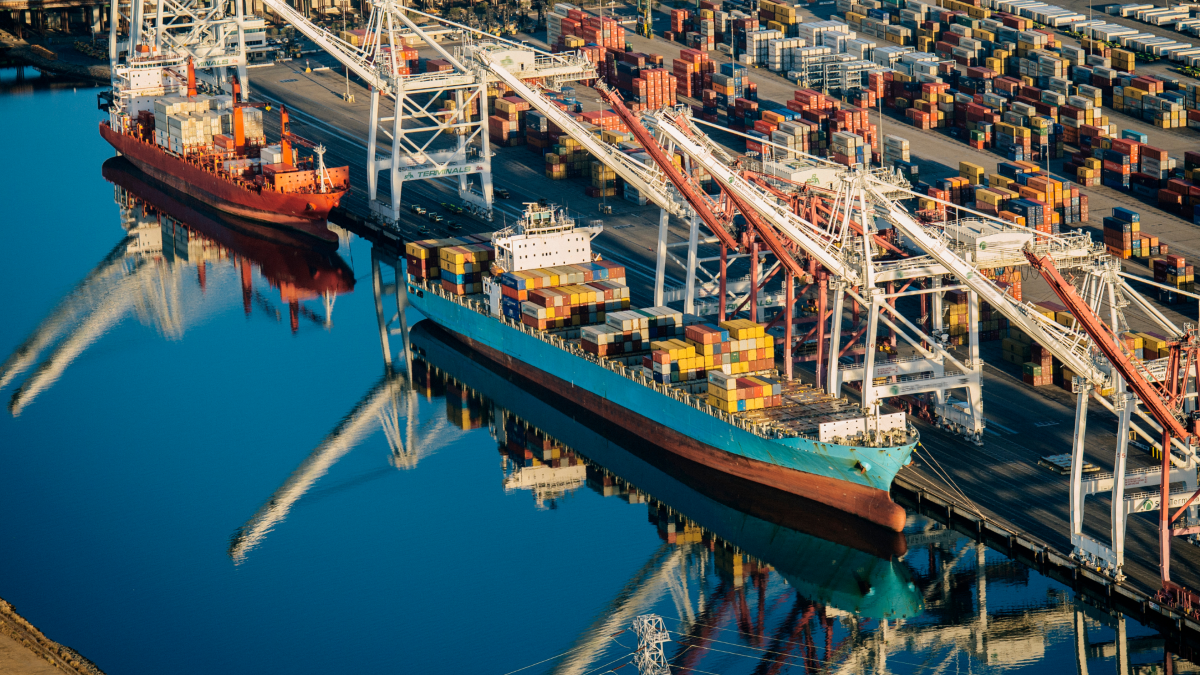
The waters surrounding Sri Lanka represent one of the most heavily traveled maritime corridors in the world. When an Iranian ship engine failure occurs in this region, maritime authorities take immediate notice because the route connects major commercial ports across Asia, the Middle East, and Europe.
Thousands of ships move through this corridor each year carrying oil, raw materials, manufactured goods, and containerized cargo.
Shipping experts emphasize that safe navigation through these waters depends on communication between vessels and regional maritime monitoring systems.
In this case, authorities confirmed that the vessel maintained communication with monitoring agencies after the mechanical problem emerged.
Response From Sri Lankan Maritime Authorities
Sri Lanka’s maritime agencies confirmed that they are monitoring the vessel following the Iranian ship engine failure.
Officials indicated that the ship has not issued a distress call and remains capable of navigating at reduced power while engineers attempt to resolve the problem.
Monitoring systems are tracking the ship’s position and speed to ensure it does not create a hazard for other vessels traveling along the same route.
Authorities also informed nearby ships to maintain safe distances while the situation remains under observation.
A maritime official explained the situation in a statement.
“Communication between ships and monitoring authorities is critical in situations involving mechanical failures at sea.”
Global Shipping Industry Watching the Situation
The Iranian ship engine failure has drawn attention from international shipping companies and maritime analysts who monitor incidents affecting major trade routes.
The Indian Ocean shipping corridor plays a crucial role in global commerce, carrying large volumes of international cargo.
Industry experts say most propulsion problems are resolved by onboard engineering crews without major disruptions to shipping operations.
However, any mechanical issue occurring along a heavily trafficked route is closely observed because safety remains the top priority for maritime authorities.
Shipping companies continue monitoring updates as engineers attempt to restore full propulsion capability.
Engineering Challenges Faced by Ocean Cargo Ships
Large cargo ships operate complex propulsion systems designed to run continuously during long voyages. When an Iranian ship engine failure occurs, engineers must quickly diagnose the mechanical problem and determine the best solution.
Modern marine engines rely on integrated fuel systems, cooling systems, electrical controls, and mechanical components working together to generate propulsion.
Even with rigorous maintenance schedules, mechanical problems can occasionally develop due to component wear or system malfunctions.
Engineers aboard the vessel are believed to be examining several possible causes of the propulsion problem, including fuel delivery issues or cooling system malfunctions.
Such repairs often require careful inspection and precise adjustments to restore normal engine performance.
Environmental Safety Assessment
Authorities are also evaluating potential environmental risks associated with the Iranian ship engine failure.
Large cargo vessels often carry cargo that could create environmental hazards if accidents occur. For this reason, maritime safety agencies monitor ships experiencing mechanical problems to ensure there is no risk of spills or collisions.
Officials confirmed that there are currently no indications of environmental danger connected to the vessel.
Monitoring teams remain prepared to respond if the situation changes.
An environmental safety analyst commented on the precautions taken during such incidents.
“Early communication allows maritime authorities to manage risks before they develop into environmental emergencies.”
Coordination Through Global Maritime Networks
International maritime cooperation plays a vital role whenever an Iranian ship engine failure occurs along global shipping routes.
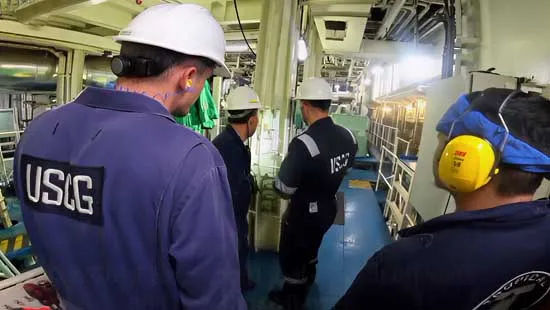
Maritime safety networks connect coast guards, port authorities, shipping companies, and monitoring centers across multiple countries.
These systems ensure that ships experiencing mechanical trouble can receive assistance quickly if needed.
The coordination between maritime authorities helps prevent accidents and ensures that surrounding vessels remain aware of potential hazards.
Such communication networks have become increasingly important as global trade continues to depend heavily on maritime transportation.
History of Mechanical Incidents in Major Shipping Routes
Understanding the context of an Iranian ship engine failure requires examining the broader history of mechanical incidents affecting global shipping lanes.
Large vessels have occasionally experienced propulsion failures throughout maritime history, especially along busy routes connecting continents.
In many cases, onboard engineering crews successfully repair mechanical issues before ships reach nearby ports.
Advancements in marine engineering, navigation technology, and safety regulations have significantly reduced the risks associated with such incidents.
However, mechanical failures remain a natural challenge within the shipping industry due to the demanding conditions vessels face during long voyages.
International maritime organizations have developed strict protocols requiring vessels to communicate mechanical problems immediately to authorities.
These protocols help prevent accidents and ensure the safety of surrounding ships.
Trade Routes and Economic Importance
The Iranian ship engine failure highlights the economic significance of maritime trade routes near Sri Lanka.
The region serves as a key link between shipping networks connecting Asia, Europe, and the Middle East.
Cargo ships traveling through these waters carry products ranging from consumer goods and industrial equipment to energy resources and raw materials.
Any disruption along these routes could potentially affect shipping schedules and supply chains.
However, maritime experts say incidents involving mechanical problems rarely lead to major disruptions because vessels are typically able to resolve the issue or divert to nearby ports for repairs.
The ability to maintain safe navigation ensures global trade continues moving efficiently.
Maritime Engineers Working to Resolve the Issue
Engineers aboard the vessel are continuing efforts to diagnose the cause of the Iranian ship engine failure.
Marine engineering teams are trained to handle propulsion system issues while at sea, using onboard equipment and spare components.
In many cases, crews are able to restore engine performance without requiring external assistance.
If repairs cannot be completed during the voyage, the vessel may divert to a nearby port where specialized technicians can conduct a more detailed inspection.
Authorities expect updates once engineers complete their assessment.
A maritime operations specialist explained the complexity of these repairs.
“Marine propulsion systems are highly sophisticated, and skilled engineering teams are capable of resolving many issues during voyages.”
Maritime Safety Remains the Top Priority
The Iranian ship engine failure serves as a reminder of the importance of safety protocols in the global shipping industry.
International maritime organizations have established regulations requiring ships to maintain constant communication with monitoring authorities when mechanical issues arise.
These systems help ensure safe navigation and protect surrounding vessels from potential hazards.
Shipping companies invest heavily in training crews and maintaining vessels to prevent mechanical failures during long ocean voyages.
Despite these precautions, occasional mechanical incidents still occur due to the demanding conditions of maritime travel.
Safety agencies will continue observing the vessel while repairs progress.
The Quiet Complexity of Global Ocean Transport
While the Iranian ship engine failure has captured attention among maritime observers, it also illustrates the complex engineering and coordination required to keep global shipping moving.
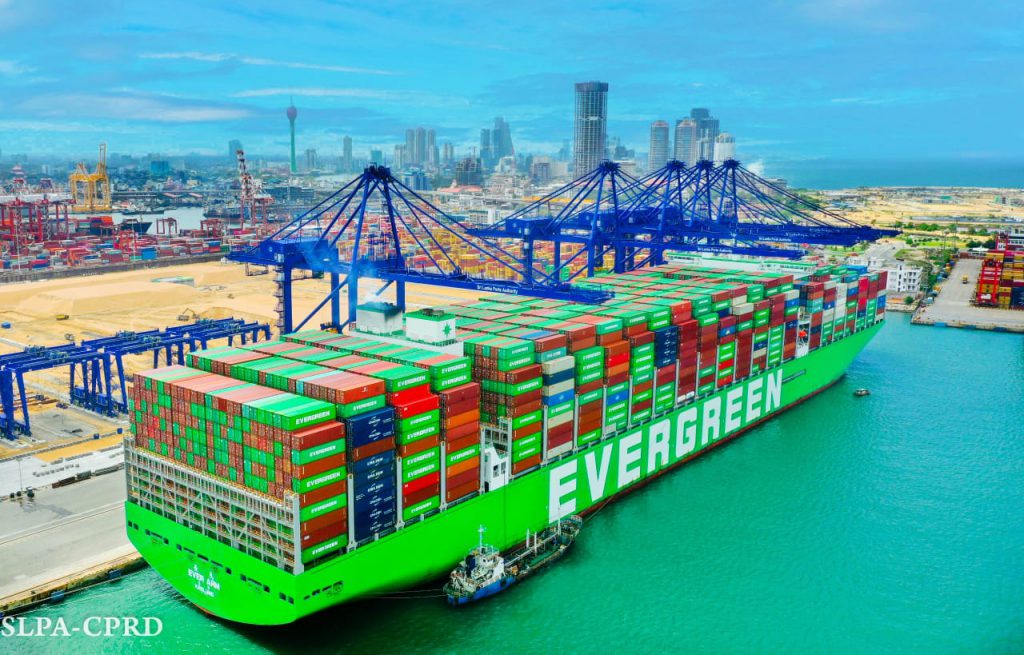
Every day, thousands of cargo vessels cross oceans carrying goods essential to the world economy.
Behind each voyage is a network of engineers, navigators, monitoring systems, and safety protocols designed to ensure that ships travel safely from port to port.
Incidents like this highlight the resilience of the maritime system, where cooperation between ships and authorities allows challenges to be managed without disrupting the broader flow of global trade.
As engineers continue working to restore the vessel’s propulsion system, maritime authorities remain focused on maintaining safety along one of the world’s most important shipping corridors.