For years, Dubai has marketed itself to the world as an island of stability in a turbulent region—a glittering city of skyscrapers, luxury malls, and limitless opportunity. Investors, influencers, and business elites were told the same story: Dubai was safe, neutral, and insulated from the conflicts that have long defined the Middle East.
But the current war spreading across the region is beginning to shatter that illusion.
As tensions escalate and the possibility of wider conflict grows, a quiet but noticeable exodus has begun. Wealthy expatriates, investors, and international executives are booking flights out of the city. Private jet demand has surged. Families are sending their children abroad. Companies are quietly relocating staff to offices in Europe or Asia.
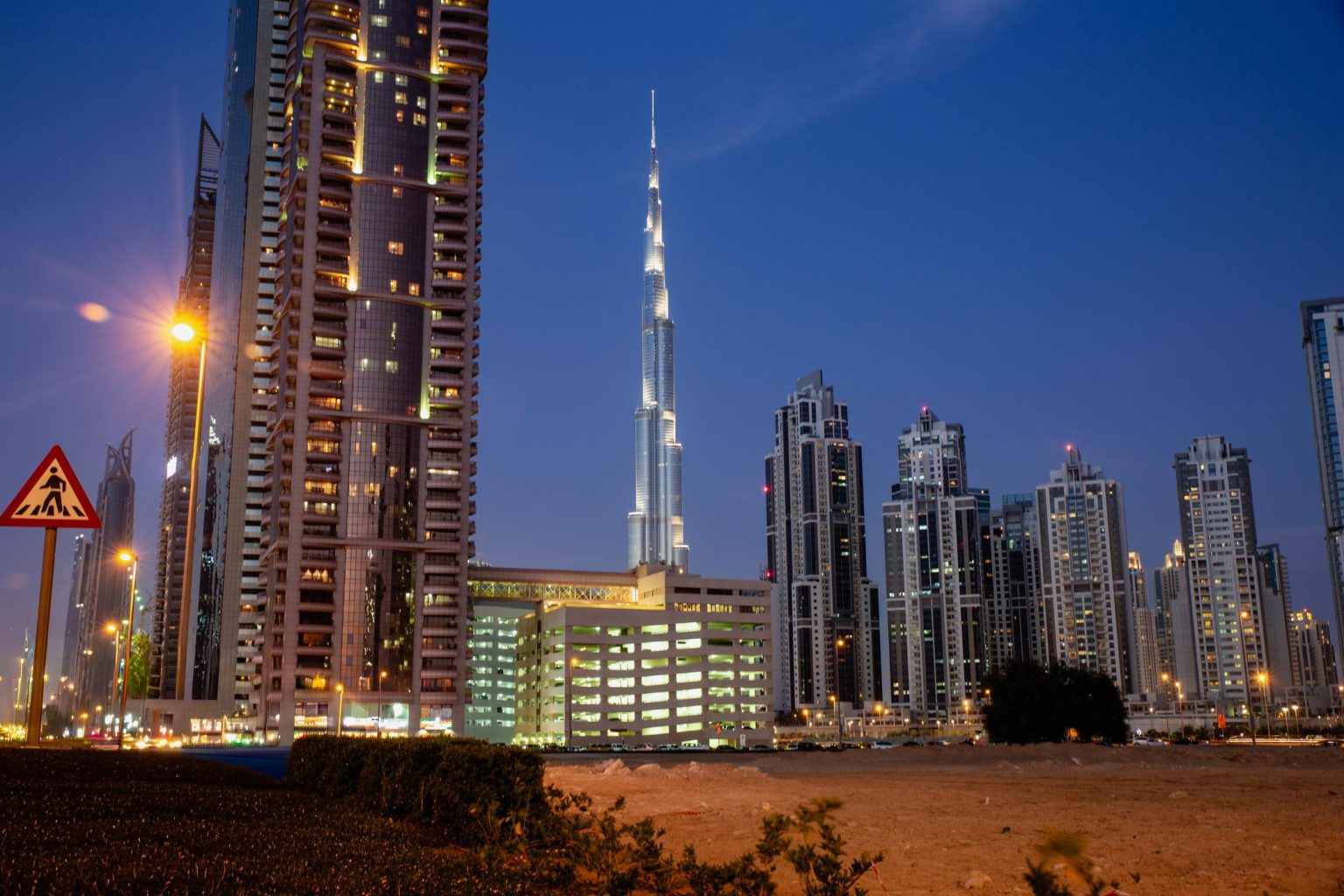
Dubai still looks calm on the surface. The hotels are open, the malls are full, and the skyline still glitters at night. But beneath that façade lies a growing realization: no city in the Middle East can completely escape the political and military storms that shape the region.
A City Built on an Image
Dubai’s rise over the past three decades has been extraordinary. From a small trading port, it transformed into one of the world’s most recognizable financial and tourism hubs. The city built its reputation on speed, spectacle, and an aggressive global marketing campaign that sold a dream of tax-free wealth and limitless luxury.
Yet critics have long argued that Dubai’s success was not entirely organic. Instead, they say, it is a highly engineered economic model—one built on speculative real estate, global capital flows, and a reputation as a place where money can move quickly and quietly.
The towering skyscrapers and artificial islands symbolize ambition, but they also represent an economy heavily dependent on foreign money and geopolitical stability. When global conditions are calm, the system thrives. When instability rises, the cracks begin to appear.
War Abroad, Consequences at Home
Dubai’s leaders have often portrayed the city as politically neutral, but the United Arab Emirates has played an increasingly active role in regional conflicts.
The UAE has been a major participant in the war in Yemen, a conflict that humanitarian organizations say has produced one of the worst crises of the 21st century. The country has also been accused by international observers of supporting different factions in conflicts in Libya and Sudan.
Supporters of the UAE argue that these interventions were aimed at stabilizing the region and countering extremist groups. Critics, however, claim they contributed to prolonged wars and deepened instability.
Regardless of which interpretation is correct, one reality is becoming clear: countries that participate in regional power struggles cannot assume they will remain untouched by the consequences.
The idea that Dubai could remain a perfectly safe financial oasis while the region around it burns was always optimistic. The current tensions are proving just how fragile that assumption may be.
The Shadow Economy Question
Another long-standing criticism of Dubai concerns the nature of its financial system.
The city’s openness to global capital has made it a magnet for entrepreneurs and investors. But that same openness has also drawn scrutiny from regulators and watchdog groups who warn that weak transparency and lax oversight have allowed illicit financial flows to pass through the city.
Over the years, Dubai has faced accusations of being a hub for money laundering, sanctions evasion, and speculative real estate investment used to hide wealth. Authorities in the UAE have taken steps to tighten regulations and improve compliance, but critics argue that the city’s rapid development created a financial environment where questionable money could easily blend into legitimate investment.
For some observers, this raises a deeper question: if an economy relies heavily on volatile global capital—some of it potentially illicit—how stable can that system truly be when geopolitical tensions rise?
The Price of Geopolitics
The growing departures from Dubai do not yet represent a mass evacuation. Millions of residents remain in the city, and daily life continues largely unchanged.
But the symbolism matters.
For decades, Dubai sold the world an image of permanent security in a region defined by uncertainty. That promise attracted billions of dollars and turned the city into a playground for global wealth.
Now, as the sound of war echoes across the wider region, some of those same investors are quietly leaving—at least for now.
This does not necessarily mean Dubai’s rise is over. The city has proven remarkably resilient in the past, surviving financial crises, oil shocks, and regional turmoil.
But the current moment serves as a powerful reminder: no amount of skyscrapers, luxury resorts, or artificial islands can fully isolate a city from the political realities of its neighborhood.
Dubai may be a global city.
But it is still part of the Middle East.
And in the Middle East, history has a way of catching up with even the most carefully constructed illusions.